
Introduction
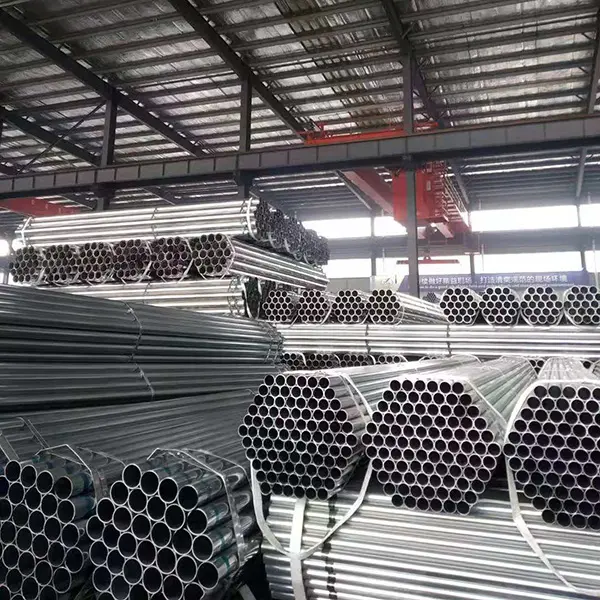
35mm stainless steel tube represents a standardized dimension within the extensive family of stainless steel piping products. Its core function is fluid conveyance – encompassing liquids, gases, and sometimes pneumatically transported solids – across a multitude of industrial applications. Positioned within the supply chain, it’s typically a semi-finished product, fabricated from stainless steel billet or seamless tubing through processes like drawing, welding (for welded tubes), and subsequent finishing. The critical performance characteristics of 35mm stainless steel tube center on corrosion resistance, pressure containment capability, and weldability, dictated primarily by the specific alloy grade employed (e.g., 304/304L, 316/316L). A major industry pain point is ensuring consistent dimensional accuracy and surface finish, as deviations impact downstream welding and connection integrity. Another key challenge is accurately verifying material composition to guarantee the specified corrosion resistance, particularly in demanding chemical or marine environments.
Material Science & Manufacturing
The dominant material for 35mm stainless steel tubes is austenitic stainless steel, primarily grades 304/304L and 316/316L. 304/304L derives its corrosion resistance from a minimum 18% chromium content, forming a passive chromium oxide layer. The ‘L’ designation indicates low carbon content (<0.03%), improving weldability by minimizing carbide precipitation during welding, which can lead to intergranular corrosion. 316/316L builds upon 304 by adding 2-3% molybdenum, substantially enhancing resistance to chloride-induced pitting and crevice corrosion – critical in marine and chemical processing applications. The physical properties are influenced by cold working; tensile strength increases, while ductility decreases. Manufacturing begins with the production of seamless tubes via extrusion or drawing processes, or with welded tubes formed from steel strip. Welding processes include Tungsten Inert Gas (TIG) and Plasma Arc Welding (PAW), selected for their precise control and high-quality welds. Key parameters controlled during manufacturing include reduction ratio (for drawing), welding current/voltage/speed, shielding gas composition (typically Argon-based), and annealing temperature (for stress relief and restoration of ductility). Surface finish is crucial, typically achieved through pickling (acid cleaning to remove scale), passivation (enhancing the chromium oxide layer), and polishing. Non-destructive testing (NDT) methods – including hydrostatic testing, eddy current testing, and radiographic inspection – are employed to verify tube integrity and identify defects.
Performance & Engineering
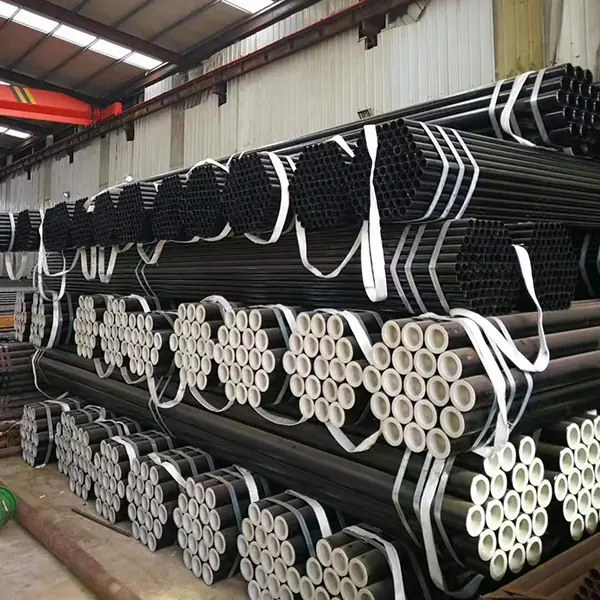
The performance of 35mm stainless steel tubing is heavily influenced by applied pressure and temperature. Force analysis utilizes the Barlow’s formula (P = 2St/D, where P=pressure, S=tensile strength, t=wall thickness, D=diameter) to calculate maximum allowable pressure. A safety factor is always applied, typically ranging from 2.25 to 4 depending on the application criticality and regulatory requirements. Environmental resistance is determined by the alloy’s composition and the nature of the corrosive environment. For example, exposure to chlorides (saltwater) necessitates the use of 316/316L. Temperature considerations are paramount; elevated temperatures reduce tensile strength and creep resistance, while cryogenic temperatures can induce brittleness. Compliance requirements vary by industry. For pressure vessel applications, ASME Boiler and Pressure Vessel Code Section IX dictates welding procedures and qualification. For hygienic applications (food & beverage, pharmaceuticals), compliance with 3-A Sanitary Standards is essential. The functional implementation frequently involves orbital welding for high-integrity connections, requiring skilled welders and precise process control. Corrosion allowance – an extra material thickness – is often added to account for anticipated corrosion rates over the tube's service life.
Technical Specifications
| Parameter | 304/304L | 316/316L | Units |
|---|---|---|---|
| Outside Diameter | 35 | 35 | mm |
| Wall Thickness | 1.0 – 3.0 | 1.0 – 3.0 | mm |
| Tensile Strength | 517 – 724 | 552 – 790 | MPa |
| Yield Strength | 207 – 276 | 241 – 310 | MPa |
| Elongation | >40 | >40 | % |
| Corrosion Rate (in seawater) | 0.03 – 0.1 | <0.01 | mm/year |
Failure Mode & Maintenance
Common failure modes in 35mm stainless steel tubing include pitting corrosion (localized attack due to chloride ions), crevice corrosion (occurring in shielded areas), stress corrosion cracking (SCC, caused by tensile stress in corrosive environments), and fatigue cracking (due to cyclic loading). Weld defects – porosity, inclusions, lack of fusion – can also initiate failures. Galvanic corrosion can occur if dissimilar metals are in contact in the presence of an electrolyte. Oxidation at high temperatures can lead to scaling and reduced wall thickness. Maintenance strategies focus on preventative measures. Regular visual inspections are critical for identifying corrosion products or cracks. Hydrostatic testing can detect leaks. Non-destructive testing (EDDY current, ultrasonic) can assess wall thickness and detect internal flaws. Passivation treatments can restore the protective chromium oxide layer. For systems handling corrosive fluids, regular flushing and cleaning are essential to remove deposits that promote corrosion. Welded joints should be periodically inspected for cracks, especially in high-stress applications. In cases of detected corrosion, localized repairs (welding or patching) may be possible, but complete replacement is often the most reliable long-term solution.
Industry FAQ
Q: What is the primary difference between 304L and 316L stainless steel in terms of corrosion resistance and cost?
A: 316L offers superior resistance to chloride-induced pitting and crevice corrosion due to the addition of molybdenum. This makes it ideal for marine environments and chemical processing. However, 316L is typically 20-30% more expensive than 304L due to the cost of molybdenum and more complex manufacturing processes.
Q: How does cold working affect the mechanical properties of 35mm stainless steel tube?
A: Cold working, such as drawing, increases the tensile strength and hardness of the tube, but simultaneously reduces its ductility and weldability. This is due to strain hardening. Annealing after cold working can restore ductility but may reduce strength.
Q: What welding processes are most suitable for joining 35mm stainless steel tubes, and what precautions should be taken?
A: TIG (GTAW) and Plasma Arc Welding (PAW) are preferred for their precision and ability to produce high-quality, low-contamination welds. Precautions include using Argon shielding gas, proper filler metal selection (matching the tube's alloy), thorough cleaning before welding, and post-weld heat treatment to relieve stress and restore corrosion resistance.
Q: What are the common causes of intergranular corrosion in welded stainless steel tubes and how can it be prevented?
A: Intergranular corrosion is often caused by carbide precipitation at grain boundaries during welding, depleting the chromium content in those areas. Using low-carbon grades (304L, 316L), proper welding parameters, and post-weld heat treatment can prevent this. Maintaining a protective atmosphere during welding is also critical.
Q: What non-destructive testing methods are commonly employed to ensure the quality and integrity of 35mm stainless steel tubing?
A: Common NDT methods include hydrostatic testing (to detect leaks), eddy current testing (to detect surface and near-surface defects), radiographic inspection (X-ray imaging for internal defects), and ultrasonic testing (for wall thickness measurement and internal flaw detection). Dye penetrant inspection can reveal surface cracks.
Conclusion
35mm stainless steel tube is a versatile and essential component in numerous industries, offering a combination of corrosion resistance, mechanical strength, and weldability. The selection of the appropriate alloy grade (304/304L or 316/316L) is fundamentally driven by the specific operating environment and corrosive conditions. Understanding the manufacturing processes and their impact on material properties is crucial for ensuring consistent quality and performance.
Future advancements in stainless steel tube technology will likely focus on developing new alloys with enhanced corrosion resistance, improved manufacturing techniques for tighter dimensional tolerances, and more sophisticated NDT methods for comprehensive quality control. Furthermore, sustainable manufacturing practices and reduced material waste will become increasingly important considerations.
