
Introduction
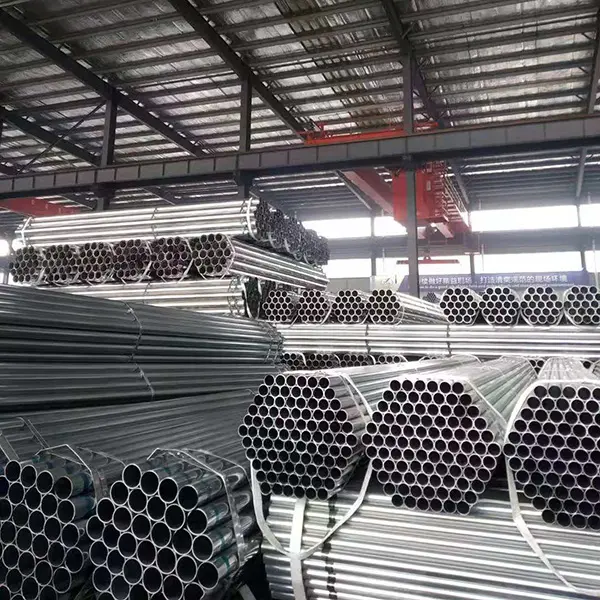
Four-inch metal pipe represents a foundational component within numerous industrial fluid and gas conveyance systems. Its technical position lies at the intersection of materials science, mechanical engineering, and process piping standards. Typically constructed from carbon steel, stainless steel, or alloy steels, these pipes are designed to withstand specific pressure, temperature, and corrosive environments. Core performance characteristics are defined by pressure rating (schedule 40, 80, etc.), material composition dictating corrosion resistance, and dimensional accuracy ensuring leak-proof joints. A key industry pain point revolves around selecting the appropriate material grade to mitigate corrosion and ensure long-term operational integrity, particularly in demanding applications like oil and gas, chemical processing, and wastewater treatment. This guide provides an in-depth analysis of 4-inch metal pipe, covering material properties, manufacturing processes, performance criteria, potential failure modes, and relevant industry standards.
Material Science & Manufacturing
The predominant material for 4-inch metal pipe is carbon steel (ASTM A53 Grade B, API 5L X42), chosen for its cost-effectiveness and adequate strength for many applications. Stainless steel (304/304L, 316/316L – ASTM A312) is selected for superior corrosion resistance, especially in aggressive chemical environments. Alloy steels (e.g., chrome-moly steels) are employed for high-temperature and high-pressure services. Material properties significantly influence performance: Yield strength (determines resistance to deformation), tensile strength (resistance to fracture), and elongation (ductility). Manufacturing typically involves seamless or welded construction. Seamless pipes are produced via extrusion or piercing processes, offering uniform strength. Welded pipes, manufactured through Electric Resistance Welding (ERW) or Submerged Arc Welding (SAW - API 5L), require rigorous non-destructive testing (NDT), like radiographic testing (RT) and ultrasonic testing (UT), to ensure weld integrity. Key parameter control during welding includes heat input, cooling rate, and shielding gas composition to prevent defects such as porosity, slag inclusions, and incomplete fusion. Surface preparation, including cleaning and coating (epoxy, polyethylene), is crucial for corrosion protection. Dimensional accuracy, conforming to ANSI/ASME B36.10M standards, is paramount for proper fit-up and leak prevention.
Performance & Engineering
Performance of 4-inch metal pipe is primarily evaluated based on its ability to withstand internal and external pressures, tensile stresses, and bending moments. Force analysis, employing equations derived from thin-walled cylinder theory (Lame’s equations), determines safe operating pressure limits based on material yield strength, wall thickness, and pipe diameter. Environmental resistance is critical; corrosion can be galvanic, pitting, crevice, or stress corrosion cracking. Cathodic protection, utilizing sacrificial anodes or impressed current systems, mitigates corrosion in submerged or buried pipelines. Compliance with ASME B31.3 (Process Piping) or ASME B31.4 (Pipeline Transportation Systems) dictates design, fabrication, inspection, and testing requirements. Functional implementation necessitates considering thermal expansion/contraction (addressed with expansion loops or flexible joints), flow velocity (impacts erosion and pressure drop), and vibration (can lead to fatigue failure). Finite Element Analysis (FEA) is frequently employed to model complex stress distributions in piping systems, particularly at branch connections or around supports. The coefficient of thermal expansion varies significantly with material (e.g., carbon steel vs. stainless steel), necessitating careful design to prevent overstressing.
Technical Specifications
| Parameter | Carbon Steel (ASTM A53 Grade B) | Stainless Steel 304/304L (ASTM A312) | Stainless Steel 316/316L (ASTM A312) |
|---|---|---|---|
| Nominal Pipe Size | 4 inches (101.6 mm) | 4 inches (101.6 mm) | 4 inches (101.6 mm) |
| Wall Thickness (Schedule 40) | 0.237 inches (6.02 mm) | 0.237 inches (6.02 mm) | 0.237 inches (6.02 mm) |
| Yield Strength (min) | 36,000 psi (248 MPa) | 30,000 psi (207 MPa) | 30,000 psi (207 MPa) |
| Tensile Strength (min) | 58,000 psi (400 MPa) | 75,000 psi (517 MPa) | 75,000 psi (517 MPa) |
| Elongation (%) | 23% | 30% | 30% |
| Corrosion Rate (in seawater, mm/year) | 0.076 - 0.151 | <0.002 | <0.002 |
Failure Mode & Maintenance
Common failure modes in 4-inch metal pipe include corrosion (leading to wall thinning and eventual rupture), fatigue cracking (caused by cyclic loading), erosion (from abrasive fluids), and weld defects (initiated during manufacturing). Stress corrosion cracking (SCC) occurs in specific corrosive environments with tensile stress. Hydrogen embrittlement can affect high-strength steels. Failure analysis often involves metallurgical examination of fractured surfaces to determine the root cause. Preventive maintenance includes regular visual inspections for corrosion or damage, non-destructive testing (UT, RT, MT) to detect internal flaws, and application of protective coatings. Internal cleaning to remove scale and deposits prevents erosion and promotes flow efficiency. Periodic hydrostatic testing verifies the pipe’s structural integrity. Proper support design prevents overstressing due to weight and external loads. For corroded sections, repair options include welding patches (requiring careful pre- and post-weld heat treatment) or pipe replacement. Leak detection systems are essential for early identification of failures. Cathodic protection systems require regular monitoring of anode potential to ensure continued effectiveness.
Industry FAQ
Q: What is the impact of pipe schedule (e.g., 40, 80) on pressure capacity?
A: Pipe schedule directly correlates to wall thickness. A higher schedule number (e.g., 80 vs. 40) indicates a thicker wall, providing greater strength and therefore a higher allowable operating pressure for a given material and diameter. The pressure rating is calculated using Barlow's formula, which factors in internal pressure, pipe diameter, and wall thickness.
Q: How does welding process selection (ERW vs. SAW) affect pipe quality and cost?
A: ERW (Electric Resistance Welding) is generally more cost-effective for smaller diameter pipes and offers faster production rates. However, SAW (Submerged Arc Welding) provides deeper penetration and higher weld quality, making it preferable for larger diameter, higher-pressure applications. SAW typically requires more stringent NDT procedures.
Q: What are the key considerations for selecting between carbon steel and stainless steel for a specific application?
A: Carbon steel is suitable for non-corrosive environments where cost is a primary concern. Stainless steel is essential for corrosive environments, high-temperature applications, or where hygiene is critical (e.g., food processing). The specific grade of stainless steel (304/304L, 316/316L) depends on the nature of the corrosive agent.
Q: What is the role of NDT (Non-Destructive Testing) in ensuring pipe integrity?
A: NDT methods, such as UT (Ultrasonic Testing), RT (Radiographic Testing), MT (Magnetic Particle Testing), and PT (Liquid Penetrant Testing) are crucial for detecting internal and surface defects without damaging the pipe. They verify weld quality, identify cracks, and ensure the material meets specified standards.
Q: How do you mitigate the risk of stress corrosion cracking (SCC) in a specific piping system?
A: Mitigating SCC involves material selection (choosing alloys resistant to the specific corrosive environment), stress reduction (designing to minimize tensile stress), and potentially applying cathodic protection or corrosion inhibitors. Careful control of water chemistry in cooling water systems is also essential.
Conclusion
The selection and implementation of 4-inch metal pipe demands a thorough understanding of materials science, manufacturing processes, and engineering principles. The appropriate material grade, manufacturing method, and maintenance strategy are dictated by the specific application, operational environment, and relevant industry standards. Failure to consider these factors can result in premature failure, costly downtime, and potential safety hazards.
Continued advancements in non-destructive testing techniques and corrosion-resistant alloys will further enhance the reliability and longevity of 4-inch metal pipe systems. Furthermore, adopting predictive maintenance programs based on sensor data and machine learning can optimize maintenance schedules and minimize the risk of unexpected failures, contributing to improved operational efficiency and cost savings.
