
Introduction
4-inch steel pipe, a ubiquitous component in numerous industrial applications, represents a fundamental element in fluid and gas conveyance systems. This guide details the technical aspects impacting its price, performance, and longevity. Within the broader steel pipe industry, 4-inch diameter pipe falls into a common size range frequently utilized in water treatment, oil & gas transfer, construction, and industrial processing. The price of 4-inch steel pipe is critically dependent on steel grade, wall thickness (schedule), manufacturing process, coating, and prevailing market conditions. This document provides an in-depth exploration of these factors, outlining material science, manufacturing methodologies, performance characteristics, common failure modes, and relevant industry standards. Understanding these technical nuances is paramount for procurement professionals, engineers, and maintenance personnel seeking to optimize cost-effectiveness and ensure system reliability. The core performance characteristics include pressure rating, corrosion resistance, and weldability, all impacting the total lifecycle cost and suitability for specific applications.
Material Science & Manufacturing
The predominant material for 4-inch steel pipe is carbon steel, typically conforming to ASTM A53 Grade B or API 5L specifications. A53 Grade B offers a balance of strength and ductility, while API 5L is specifically designed for pipeline applications, emphasizing toughness and weldability. Raw material properties are crucial; the carbon content dictates hardness and weldability, with higher carbon content increasing strength but reducing ductility and potentially increasing susceptibility to weld cracking. Manganese influences strength and toughness. Silicon content refines the grain structure, improving strength. Sulfur and phosphorus are undesirable impurities that can negatively impact ductility and weldability. Manufacturing commonly utilizes either the Electric Resistance Welding (ERW) or Seamless processes. ERW involves forming a pipe from steel strips and welding the seam using electrical resistance. This is a cost-effective method but requires rigorous non-destructive testing (NDT) to ensure seam integrity. Seamless pipe is produced by piercing a solid billet of steel and drawing it through dies, resulting in a homogeneous structure with no weld seam, leading to higher pressure ratings and greater reliability, but also a higher cost. Key parameters in manufacturing include precise temperature control during forming and welding, minimizing residual stress, and maintaining strict dimensional tolerances. Heat treatment processes, such as normalizing, are often employed to refine the microstructure and improve mechanical properties. Surface preparation is also critical for subsequent coating applications, including cleaning to remove mill scale and contaminants.
Performance & Engineering
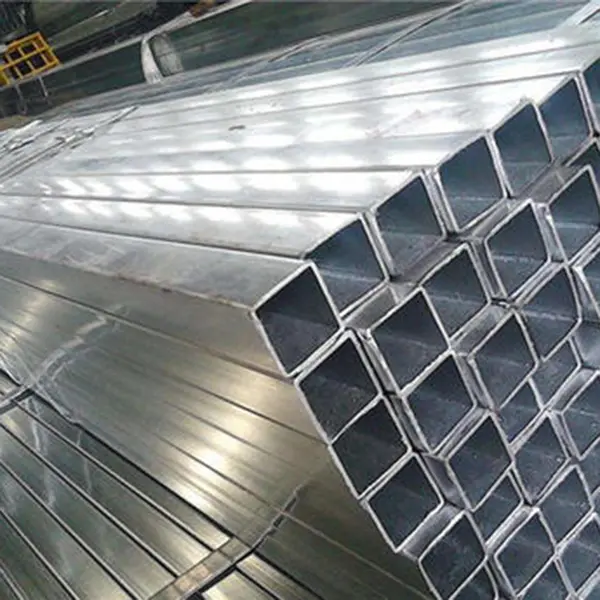
The performance of 4-inch steel pipe is fundamentally governed by its ability to withstand internal pressure and external loads. Force analysis involves calculating hoop stress (σh = PD/2t, where P is pressure, D is diameter, and t is wall thickness) and longitudinal stress. Higher pressures and larger diameters necessitate thicker walls to maintain structural integrity. The yield strength and tensile strength of the steel directly influence the maximum allowable pressure. Environmental resistance is paramount, particularly in corrosive environments. Galvanizing, epoxy coatings, and polyethylene coatings are commonly applied to mitigate corrosion. Cathodic protection is also used in buried pipelines. Compliance with industry standards such as ASME B31.3 (Process Piping) and ASME B31.4 (Pipeline Transportation Systems) dictates design factors, material selection, and inspection requirements. Buckling is a potential failure mode under external loads, requiring consideration of the pipe’s diameter-to-thickness ratio and soil conditions for buried pipelines. Fatigue analysis is crucial for applications involving cyclic loading, such as offshore structures or reciprocating pumps. Weld joint design and execution are critical to ensure the weld strength matches or exceeds the base material, adhering to AWS D1.1 standards for welding steel. Thermal expansion and contraction must be accounted for in piping system design to prevent stress concentrations and potential failures.
Technical Specifications
| Parameter | API 5L Grade B | ASTM A53 Grade B | ASTM A106 Grade B | EN 10208-2 S235JR |
|---|---|---|---|---|
| Outside Diameter (in) | 4.500 | 4.500 | 4.500 | 4.500 |
| Wall Thickness (in) | Schedule 40 (0.237) | Schedule 40 (0.237) | Schedule 40 (0.237) | Variable |
| Yield Strength (psi) | 32,000 | 36,000 | 36,000 | 235 |
| Tensile Strength (psi) | 65,000 | 70,000 | 70,000 | 360-530 |
| Elongation (%) | 23 | 22 | 22 | 21 |
| Hydrostatic Test Pressure (psi) | 615 | 615 | 615 | Variable |
Failure Mode & Maintenance
Common failure modes for 4-inch steel pipe include corrosion (uniform, pitting, galvanic), erosion, fatigue cracking, stress corrosion cracking (SCC), and weld defects. Corrosion is often the primary driver of failure, particularly in harsh environments. Pitting corrosion, localized attack due to chloride ions, can lead to rapid penetration of the pipe wall. Fatigue cracking occurs under cyclic loading, initiating from stress concentrators such as welds or dents. SCC requires the presence of a corrosive environment and sustained tensile stress. Weld defects, such as porosity or incomplete fusion, can significantly reduce weld strength and lead to catastrophic failure. Maintenance strategies include regular visual inspections for signs of corrosion or damage, non-destructive testing (NDT) such as ultrasonic testing (UT) and radiographic testing (RT) to detect internal flaws, and application of protective coatings. Cathodic protection monitoring is essential for buried pipelines. Periodic hydrostatic testing can verify the structural integrity of the pipe. Proper cleaning and removal of debris can prevent erosion. In cases of detected cracks or significant corrosion, repairs may involve welding, sleeving, or pipe replacement. Record-keeping of inspections, repairs, and coating applications is crucial for establishing a comprehensive maintenance program.
Industry FAQ
Q: What is the impact of sulfur content on the weldability of 4-inch steel pipe?
A: Higher sulfur content (above 0.02%) can significantly reduce weldability. Sulfur forms iron sulfide (FeS) at grain boundaries, which has a low melting point and can lead to hot cracking during welding. Lower sulfur content is preferred for applications requiring extensive welding. Specialized welding procedures and lower heat inputs may be necessary with higher sulfur content materials.
Q: How does wall thickness (schedule) affect the pressure rating of 4-inch steel pipe?
A: Pressure rating is inversely proportional to wall thickness. Thicker walls can withstand higher internal pressures. The formula for hoop stress (σh = PD/2t) demonstrates this relationship. Higher schedule numbers (e.g., Schedule 80 vs. Schedule 40) indicate thicker walls and, consequently, higher pressure ratings. Schedule selection must align with the system’s maximum operating pressure and safety factors.
Q: What are the common methods for mitigating corrosion in 4-inch steel pipelines?
A: Common methods include applying protective coatings (epoxy, polyethylene, galvanizing), using cathodic protection (sacrificial anodes or impressed current), selecting corrosion-resistant alloy steels, and implementing corrosion inhibitors in the transported fluid. The choice of method depends on the corrosive environment and the cost-benefit analysis.
Q: What is the significance of API 5L specification for pipeline steel?
A: API 5L specifies the requirements for line pipe used in pipeline transportation systems. It covers chemical composition, mechanical properties, manufacturing processes, and testing requirements to ensure the pipe’s suitability for high-pressure, long-distance transport of oil and gas. It places a strong emphasis on toughness and weldability.
Q: How often should hydrostatic testing be performed on existing 4-inch steel pipelines?
A: The frequency of hydrostatic testing is determined by regulatory requirements, risk assessments, and the operating conditions of the pipeline. Typically, hydrostatic testing is conducted after installation, repairs, or modifications, and periodically thereafter, often every 5-10 years. However, this can vary depending on the specific application and regulatory jurisdiction.
Conclusion
The price of 4-inch steel pipe is a complex interplay of material costs, manufacturing processes, and performance requirements. A thorough understanding of the steel’s chemical composition, the nuances of ERW versus seamless manufacturing, and the critical importance of corrosion mitigation are essential for informed procurement and long-term operational reliability. Selecting the appropriate steel grade and wall thickness, adhering to relevant industry standards, and implementing a robust maintenance program are key factors in optimizing lifecycle costs and preventing failures.
Future trends in 4-inch steel pipe technology will likely focus on the development of higher-strength, more corrosion-resistant alloys, advanced coating technologies, and improved NDT methods. The increasing demand for sustainable infrastructure will also drive the adoption of eco-friendly manufacturing processes and the use of recycled steel materials. A proactive approach to materials selection and maintenance, coupled with a deep understanding of the underlying engineering principles, will be crucial for ensuring the long-term integrity and performance of 4-inch steel pipe systems.
