
Introduction
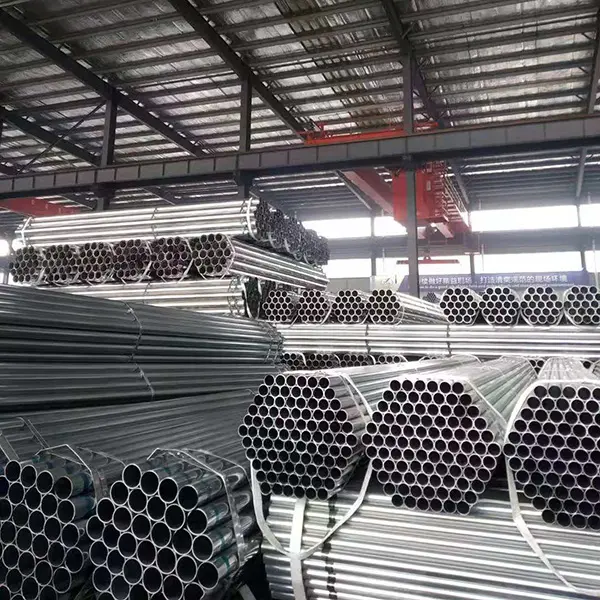
40mm galvanised steel pipe is a fundamental component in numerous industrial, construction, and infrastructure applications. It consists of a carbon steel pipe coated with a layer of zinc through a hot-dip galvanisation process. This coating provides robust corrosion resistance, extending the service life of the pipe, particularly in exposed environments. Positioned within the fluid conveyance and structural support segments of the industry chain, 40mm galvanised pipe serves as a critical conduit for water, gas, and other fluids, as well as a structural element in scaffolding and fencing. Core performance characteristics revolve around its pressure-bearing capacity, corrosion resistance, mechanical strength, and dimensional accuracy, all of which are heavily influenced by the steel substrate, zinc coating thickness, and manufacturing quality.
Material Science & Manufacturing
The base material for 40mm galvanised pipe is typically carbon steel, conforming to standards like ASTM A53 Grade B or EN 10255. The steel's chemical composition dictates its weldability, ductility, and tensile strength. Common alloying elements include manganese, silicon, and phosphorus, present in controlled quantities to enhance specific properties. The galvanisation process itself involves immersing the steel pipe in a molten zinc bath (typically 98% pure zinc) after a thorough cleaning and pickling to remove mill scale and oxides. This creates a metallurgical bond between the zinc and the steel, forming several layers: the Gamma, Delta, Zeta, and Eta phases. The Zeta phase is crucial as it provides a strong, adherent barrier against corrosion. Key manufacturing parameters include bath temperature (around 450°C), immersion time, cooling rate, and the final coating thickness, which is typically specified in g/m² or µm. Quality control during manufacturing involves regular zinc bath analysis, coating thickness measurements via eddy current testing, and visual inspection for defects like bare spots, drips, or uneven coating. Welding, if applicable (for seamless pipe production), requires careful control of welding parameters, shielding gas composition, and post-weld heat treatment to maintain the structural integrity and corrosion resistance of the pipe.
Performance & Engineering
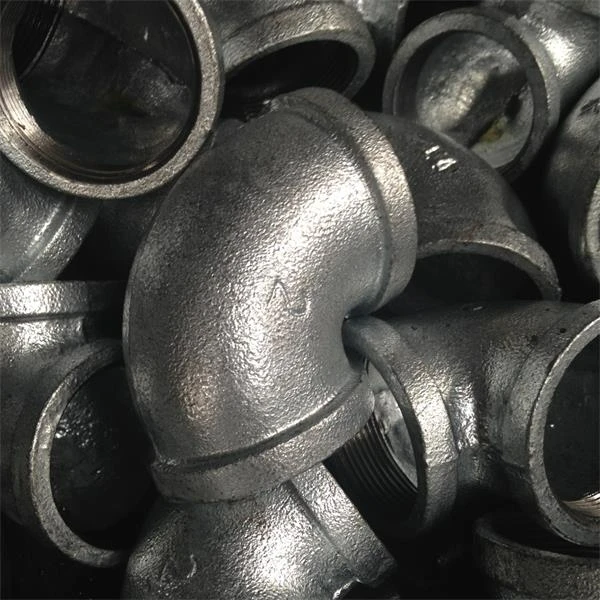
The performance of 40mm galvanised pipe is critically dependent on its ability to withstand internal pressure, external loads, and corrosive environments. Pressure ratings are calculated based on Barlow’s formula (P = 2St/D, where P is pressure, S is tensile strength, t is wall thickness, and D is diameter), and must adhere to relevant industry standards (e.g., ASME B31.1 for power piping). External loads, such as those encountered in structural applications, require consideration of bending moments, shear forces, and buckling resistance. Finite element analysis (FEA) is often employed to model stress distribution and ensure structural integrity. Corrosion resistance is paramount, and the effectiveness of the galvanised coating relies on its ability to provide barrier protection and sacrificial corrosion. In harsh environments containing chlorides (e.g., seawater, de-icing salts), the zinc coating will corrode preferentially, protecting the underlying steel. However, if the coating is breached, localized corrosion can occur. Compliance requirements vary depending on the application, but generally include adherence to standards for material composition, dimensional tolerances, coating thickness, hydrostatic testing, and non-destructive examination (NDE) techniques like ultrasonic testing (UT) and radiographic testing (RT).
Technical Specifications
| Parameter | Unit | Typical Value (ASTM A53 Grade B) | Relevant Standard |
|---|---|---|---|
| Nominal Diameter | mm | 40 | ASTM A53 |
| Wall Thickness | mm | 2.0 - 4.0 | ASTM A53 |
| Minimum Yield Strength | MPa | 250 | ASTM A53 |
| Minimum Tensile Strength | MPa | 370 | ASTM A53 |
| Zinc Coating Thickness | µm | 55 - 85 | ASTM A123 |
| Hydrostatic Test Pressure | MPa | 6.2 | ASTM A53 |
Failure Mode & Maintenance
Common failure modes in 40mm galvanised pipe include corrosion-induced pitting, crevice corrosion (particularly in areas with stagnant water), and stress corrosion cracking (SCC) under tensile stress in corrosive environments. Mechanical failures can arise from fatigue cracking due to cyclic loading, impact damage, or weld defects. Delamination of the zinc coating can occur due to poor surface preparation prior to galvanisation or exposure to high temperatures. Oxidation of the zinc coating over time will lead to a reduction in corrosion protection. Maintenance strategies include regular visual inspections for signs of corrosion, coating damage, or mechanical stress. For minor corrosion spots, surface preparation and re-coating with zinc-rich paint can be effective. For significant corrosion or damage, pipe replacement is often necessary. Cathodic protection (using sacrificial anodes or impressed current systems) can be employed in buried pipelines to mitigate corrosion. Periodic hydrostatic testing can verify the structural integrity of the pipe. Proper jointing techniques (threaded, welded, flanged) are crucial to prevent leaks and maintain pressure integrity. Avoiding exposure to highly corrosive chemicals and providing adequate drainage to prevent stagnant water accumulation are also important preventative measures.
Industry FAQ
Q: What is the primary advantage of galvanisation over other corrosion protection methods, such as painting?
A: Galvanisation offers several advantages. It provides a sacrificial barrier, meaning the zinc corrodes preferentially, protecting the steel even if the coating is scratched. This contrasts with paint, where damage exposes the steel to corrosion. Galvanisation also provides a more durable and longer-lasting coating, particularly in harsh environments. The metallurgical bond ensures excellent adhesion and resistance to chipping or flaking.
Q: How does the quality of the steel substrate affect the performance of the galvanised coating?
A: The steel substrate’s composition and surface condition significantly impact galvanisation. High levels of impurities in the steel can hinder the metallurgical bond. A rough or poorly prepared surface will result in uneven coating thickness and increased susceptibility to corrosion. Using steel that conforms to recognized standards (like ASTM A53) is essential for optimal performance.
Q: What are the limitations of galvanised steel in highly acidic or alkaline environments?
A: While galvanised steel provides good corrosion resistance in many environments, it is susceptible to corrosion in strong acidic or alkaline solutions. The zinc coating can dissolve rapidly in these conditions. For such applications, alternative materials like stainless steel or plastics are more appropriate.
Q: What is the expected lifespan of a 40mm galvanised pipe in a typical outdoor application?
A: The lifespan varies considerably depending on the environment. In rural environments with low pollution, a galvanised pipe can last for 50 years or more. In coastal areas or industrial environments with high chloride or sulfur dioxide levels, the lifespan may be reduced to 20-30 years. Regular inspection and maintenance can extend the service life.
Q: What considerations are important when welding galvanised pipe?
A: Welding galvanised pipe requires specific precautions to avoid health hazards from zinc fumes. Adequate ventilation is crucial. The galvanised coating must be removed from the weld area to ensure proper fusion. Using a low-hydrogen welding process and appropriate filler metals is essential to prevent weld defects and maintain corrosion resistance. Post-weld cleaning and re-coating of the weld area are recommended.
Conclusion
40mm galvanised steel pipe remains a cornerstone material in various industrial sectors, owing to its cost-effectiveness, robust corrosion resistance, and adequate mechanical strength. The success of its application, however, hinges on a comprehensive understanding of the material science principles underpinning both the steel substrate and the galvanisation process. Proper manufacturing control, adherence to relevant industry standards, and diligent maintenance practices are paramount to maximizing its service life and mitigating potential failure modes.
Looking ahead, advancements in coating technologies, such as duplex systems (combining galvanisation with other coatings) and improved zinc alloys, promise to further enhance the corrosion performance of galvanised steel pipes. Continued research into the mechanisms of corrosion and the development of more sophisticated inspection techniques will be critical to ensuring the long-term reliability of these essential components in critical infrastructure.
