
Introduction
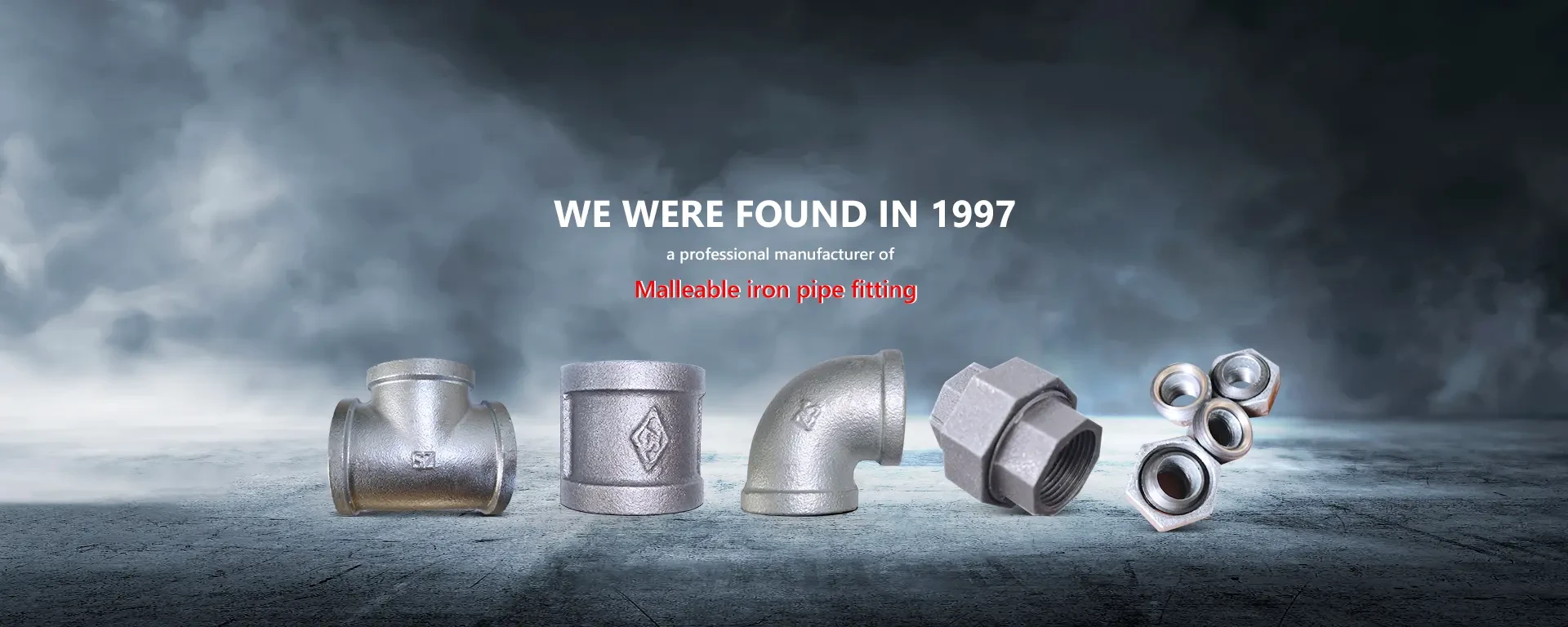
50mm galvanised pipe is a carbon steel pipe coated with a layer of zinc through a hot-dip galvanisation process. This coating provides corrosion resistance, making it a ubiquitous material in plumbing, structural applications, and fluid transport across various industries, including water supply, fire protection, and industrial processing. Within the industrial chain, it represents a critical component linking steel manufacturing with downstream construction and engineering sectors. Its core performance characteristics – durability, pressure resistance, and cost-effectiveness – are central to its wide adoption. The 50mm designation refers to the nominal pipe diameter, influencing flow rates and structural load capacity. Understanding the nuances of its material properties, manufacturing processes, and potential failure modes is essential for ensuring long-term reliability and safety in critical applications.
Material Science & Manufacturing
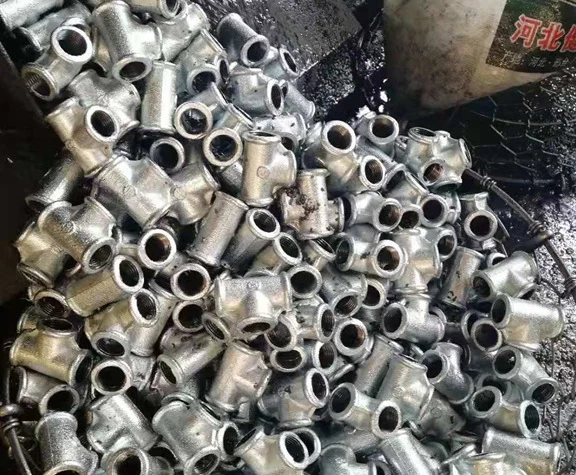
The base material for 50mm galvanised pipe is typically carbon steel, commonly ASTM A53 Grade B. This steel consists primarily of iron with a maximum carbon content of 0.30%, alongside manganese, phosphorus, and sulfur as alloying elements. The mechanical properties of the base steel – yield strength (typically 250 MPa), tensile strength (typically 450 MPa), and elongation – directly influence the pipe's ability to withstand pressure and stress. Manufacturing begins with steel billet production, followed by seamless or welded pipe formation. Seamless pipes are produced via processes like extrusion or piercing, offering superior strength and uniformity. Welded pipes, manufactured through Electric Resistance Welding (ERW) or submerged arc welding (SAW), are more cost-effective but require stringent weld quality control. The galvanisation process involves immersing the steel pipe in a bath of molten zinc (98% purity or higher) at temperatures around 450-460°C. This creates a metallurgical bond between the zinc and the steel substrate, forming a series of zinc-iron alloy layers. Critical parameters during galvanisation include bath temperature, immersion time, steel surface preparation (pickling to remove oxides), and cooling rate. Inconsistent surface preparation or improper bath control can lead to uneven zinc coating thickness and compromised corrosion protection. Post-galvanisation, quality control includes coating thickness measurements (using magnetic or eddy current methods), adherence testing, and visual inspection for defects like drips, runs, or bare spots.
Performance & Engineering
The performance of 50mm galvanised pipe is dictated by its ability to withstand internal pressure, external loads, and corrosive environments. Pressure ratings, typically expressed in PSI or bar, are determined through hydrostatic testing according to standards like ASTM F467. The yield strength of the steel and the wall thickness of the pipe are primary factors influencing pressure capacity. Force analysis must consider not only static pressure but also dynamic loads caused by water hammer or fluid flow turbulence. External loads, such as those from soil surrounding buried pipelines or from supported structures, require consideration of bending moments and buckling resistance. The galvanised coating provides cathodic protection, meaning the zinc corrodes preferentially to the steel, preventing rust formation. However, the rate of zinc corrosion depends on environmental factors like humidity, salt spray exposure, and the presence of pollutants. Compliance requirements vary based on application. For potable water systems, the pipe must meet standards like NSF/ANSI 61, ensuring the zinc coating does not leach harmful contaminants into the water. For structural applications, adherence to building codes and relevant engineering standards (e.g., AISC) is essential. Furthermore, the pipe’s thermal expansion coefficient (approximately 12 x 10-6 /°C) needs to be accounted for in system design to prevent stress and potential failure at joints and supports.
Technical Specifications
| Parameter | Unit | ASTM A53 Grade B (Typical) | EN 10255 (Equivalent) |
|---|---|---|---|
| Nominal Diameter | mm | 50 | 50 |
| Wall Thickness | mm | 2.6 - 4.0 | 2.6 - 4.0 |
| Minimum Yield Strength | MPa | 250 | 235 |
| Minimum Tensile Strength | MPa | 450 | 360 |
| Zinc Coating Thickness | μm | 85 (minimum) | 70 (minimum) |
| Hydrostatic Test Pressure | MPa | Variable, depending on wall thickness and diameter. Typically 6.9 MPa for schedule 40. | Variable, depending on wall thickness and diameter. |
Failure Mode & Maintenance
50mm galvanised pipe is susceptible to several failure modes. Corrosion, despite the zinc coating, remains a primary concern, particularly in highly corrosive environments. Crevice corrosion can occur at threaded joints and under coatings, where oxygen access is restricted. Uniform corrosion will eventually deplete the zinc layer, exposing the steel to rusting. Fatigue cracking can arise from cyclical loading, particularly in applications involving vibrations or repeated pressure fluctuations. Welded pipes are prone to weld defects such as porosity, incomplete fusion, and lamellar tearing, which can initiate crack propagation. Mechanical damage, such as dents or gouges, can compromise the pipe's structural integrity. Delamination of the zinc coating can occur due to poor adhesion during the galvanisation process or due to prolonged exposure to harsh chemicals. Maintenance strategies include regular visual inspections for signs of corrosion or damage. Applying protective coatings over the galvanised layer (e.g., epoxy coatings) can enhance corrosion resistance. Cathodic protection systems (e.g., sacrificial anodes) can be implemented for buried pipelines. For threaded joints, periodic tightening is recommended to prevent leaks and crevice corrosion. In cases of significant corrosion or damage, pipe sections should be replaced. Leak detection systems can identify potential failures early on, preventing costly repairs and downtime. Avoid using abrasive cleaners, as these can damage the zinc coating.
Industry FAQ
Q: What is the expected lifespan of a 50mm galvanised pipe in a typical potable water distribution system?
A: The lifespan varies considerably based on water quality (pH, chloride content, dissolved oxygen), soil conditions (if buried), and maintenance practices. However, a well-maintained galvanised pipe in a typical potable water system can realistically be expected to last 40-70 years. Periodic inspections and corrosion monitoring are crucial for extending this lifespan.
Q: Can 50mm galvanised pipe be used for high-pressure steam applications?
A: Generally, no. While galvanised pipe can handle moderate pressures, it is not recommended for high-pressure steam due to the potential for accelerated corrosion and coating degradation at elevated temperatures. High-pressure steam applications typically require seamless steel pipes specifically designed for those conditions.
Q: What are the limitations of using galvanised pipe in acidic or alkaline environments?
A: Galvanised pipe exhibits limited resistance to strongly acidic or alkaline solutions. Acidic environments accelerate zinc corrosion, while highly alkaline environments can lead to the formation of zinc oxides and hydroxides, reducing coating effectiveness. In such environments, alternative materials like stainless steel or plastic pipes are more suitable.
Q: Is it possible to connect galvanised pipe to copper pipe directly?
A: Direct connection is strongly discouraged due to galvanic corrosion. The difference in electrochemical potential between zinc and copper creates a galvanic cell, accelerating corrosion of the zinc pipe at the connection point. Dielectric unions or insulating couplings must be used to electrically isolate the two metals.
Q: How does the manufacturing process (welded vs. seamless) impact the performance of 50mm galvanised pipe?
A: Seamless pipes generally exhibit superior strength and uniformity, making them preferable for high-pressure or critical applications. Welded pipes are more cost-effective, but the weld quality is paramount. Thorough non-destructive testing (NDT) of welds – including radiography, ultrasonic testing, and magnetic particle inspection – is essential to ensure structural integrity and prevent premature failure.
Conclusion
50mm galvanised pipe remains a prevalent material in numerous industries due to its balance of cost-effectiveness, durability, and corrosion resistance. However, its performance is intrinsically linked to the quality of the base steel, the integrity of the galvanisation process, and the specific operating environment. A comprehensive understanding of the material's properties, potential failure modes, and applicable industry standards is crucial for ensuring safe and reliable operation.
Future trends may see increased adoption of alternative corrosion protection methods, such as epoxy coatings or enhanced galvanisation techniques, to further extend the lifespan of steel pipelines. Furthermore, advancements in non-destructive testing technologies will enable more precise assessment of pipe condition and proactive maintenance strategies, minimizing downtime and maximizing the return on investment.
