
Introduction
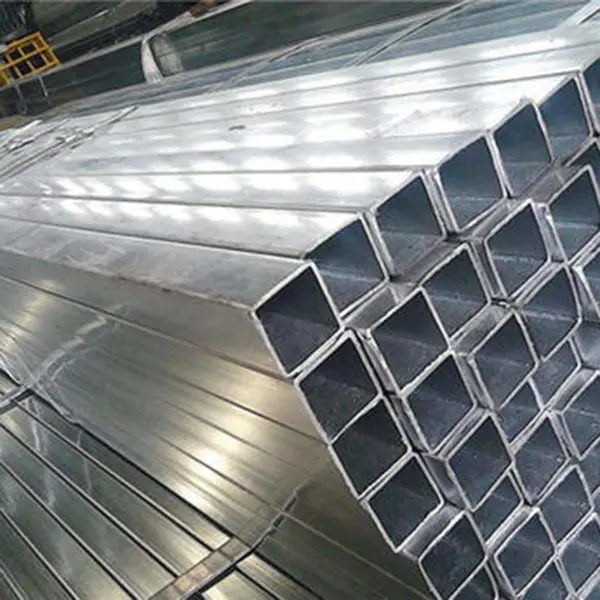
8-inch diameter steel pipe is a foundational component in numerous industrial applications, serving as a conduit for fluids and gases in sectors including oil and gas, water treatment, construction, and power generation. Its technical position within the industry chain lies between raw steel production and final system implementation, acting as a crucial link in infrastructure development and operational processes. Core performance characteristics revolve around its ability to withstand internal and external pressures, resist corrosion, and maintain structural integrity over extended service life. The selection of appropriate steel grade, manufacturing process, and protective coatings directly impact these performance parameters, making a comprehensive understanding of the material and its behavior vital for engineers and procurement professionals. This guide provides an in-depth exploration of 8-inch steel pipe, covering material science, manufacturing techniques, performance considerations, failure modes, and relevant industry standards.
Material Science & Manufacturing
The primary material for 8-inch steel pipe is carbon steel, although alloy steels (containing elements like chromium, molybdenum, and nickel) are frequently used to enhance specific properties. Common carbon steel grades include ASTM A53 Grade B, A106 Grade B, and API 5L X42, X52, and X60. The chemical composition directly influences mechanical properties such as yield strength, tensile strength, and ductility. For example, increasing carbon content generally increases strength but reduces weldability. Alloy additions improve corrosion resistance (chromium), toughness (nickel), and high-temperature strength (molybdenum). Manufacturing typically involves a seamless or welded process. Seamless pipe is produced by piercing a solid billet of steel, offering superior strength and resistance to pressure. Welded pipe, created by rolling and welding steel plates, is more cost-effective but requires careful quality control of the weld seam. Key manufacturing parameters include controlled cooling rates to manage microstructure (grain size and phase composition) and precise dimensional control to ensure consistent wall thickness and diameter. Surface preparation (e.g., pickling, blasting) prior to coating application is crucial for adhesion and long-term corrosion protection. Heat treatment processes, like normalizing and quenching & tempering, are employed to refine grain structure and achieve desired mechanical properties. Weld quality is assessed through non-destructive testing methods like ultrasonic testing (UT), radiographic testing (RT), and magnetic particle inspection (MPI).

Performance & Engineering
Performance analysis of 8-inch steel pipe focuses on its ability to withstand internal pressure, external loads, and corrosive environments. Internal pressure is governed by the Barlow formula: P = (2St)/D, where P is pressure, S is tensile strength, t is wall thickness, and D is outer diameter. Engineers must account for safety factors to prevent burst failure. External loads, such as soil pressure or weight of overlying structures, require consideration of hoop stress and buckling resistance. Finite Element Analysis (FEA) is frequently used to model complex loading scenarios and predict stress distribution. Corrosion resistance is paramount, especially in harsh environments. Coatings (epoxy, polyurethane, polyethylene) and cathodic protection systems are employed to mitigate corrosion. Material selection plays a critical role; for example, stainless steel alloys (e.g., 304, 316) offer superior corrosion resistance but at a higher cost. Compliance requirements vary depending on the application and geographical location. For oil and gas pipelines, API 5L and relevant industry codes dictate material specifications, design factors, and inspection procedures. For water pipelines, AWWA standards are commonly followed. Proper installation procedures, including appropriate support spacing and bedding materials, are essential to ensure long-term performance and prevent premature failure. Consideration of thermal expansion and contraction is also vital to prevent stress buildup in the pipe system.
Technical Specifications
| Parameter | ASTM A53 Grade B | API 5L X42 | ASTM A106 Grade B | Stainless Steel 304/304L |
|---|---|---|---|---|
| Outer Diameter (inches) | 8.625 | 8.625 | 8.625 | 8.625 |
| Wall Thickness (inches) | Schedule 40 (0.237) | Variable | Schedule 40 (0.237) | Variable |
| Yield Strength (psi) | 36,000 | 42,000 | 35,000 | 30,000 |
| Tensile Strength (psi) | 58,000 | 65,000 | 60,000 | 70,000 |
| Elongation (%) | 22 | 20 | 20 | 30 |
| Corrosion Rate (mm/year) | 0.05 - 0.5 (depending on environment) | 0.05 - 0.5 (depending on environment) | 0.05 - 0.5 (depending on environment) | <0.01 (superior resistance) |
Failure Mode & Maintenance
Common failure modes in 8-inch steel pipe include corrosion (uniform, pitting, galvanic), erosion, fatigue cracking, stress corrosion cracking (SCC), and mechanical damage. Corrosion is often initiated at surface defects or weld seams. Erosion, caused by abrasive particles in the fluid, gradually removes material. Fatigue cracking occurs under cyclic loading, particularly at stress concentrations. SCC results from the combined action of tensile stress and a corrosive environment. Mechanical damage can be caused by impact, improper handling, or settlement. Regular inspection programs are crucial for detecting early signs of failure. Non-destructive testing (NDT) methods, such as ultrasonic thickness testing (UTT), visual inspection, and radiographic examination, are employed. Maintenance strategies include applying protective coatings, implementing cathodic protection, and repairing or replacing damaged sections of pipe. Internal cleaning to remove deposits and debris can also help prevent corrosion and erosion. For pipelines carrying critical fluids, integrity management programs are required, involving periodic assessments of pipe condition and risk-based inspection plans. Preventive maintenance, such as tightening bolts and inspecting supports, is essential for ensuring long-term reliability. Proper record-keeping of inspection results and maintenance activities is crucial for tracking performance and identifying potential problems.
Industry FAQ
Q: What is the impact of sulfur content on the weldability of 8-inch steel pipe?
A: Higher sulfur content in steel can reduce weldability by forming iron sulfide (FeS) inclusions during the cooling process, which can lead to hot cracking. Low-sulfur steel grades are generally preferred for welding applications, especially for critical pipelines. The use of appropriate welding procedures and filler metals can also mitigate the risk of cracking.
Q: How does the choice of coating affect the long-term corrosion protection of the pipe?
A: The choice of coating significantly impacts corrosion protection. Epoxy coatings provide good chemical resistance, while polyurethane coatings offer excellent abrasion resistance. Polyethylene coatings are often used for underground pipelines due to their superior adhesion and durability. The coating thickness, application method, and surface preparation quality are all critical factors. Regular inspection of the coating for damage is essential.
Q: What are the key considerations for selecting the appropriate wall thickness?
A: Wall thickness is determined by the design pressure, operating temperature, fluid properties, and external loads. Thicker walls provide greater strength and resistance to corrosion, but also increase cost and weight. Design calculations must account for safety factors and applicable industry codes. Corrosion allowance should also be added to compensate for material loss over the pipe’s service life.
Q: What is the role of hydrostatic testing in ensuring pipeline integrity?
A: Hydrostatic testing involves pressurizing the pipeline with water to a level exceeding the maximum operating pressure. This test verifies the structural integrity of the pipe and identifies any leaks or weaknesses. The test pressure is held for a specified duration, and the pipe is inspected for deformation or pressure drop. Hydrostatic testing is a critical step in pipeline commissioning and maintenance.
Q: How does the grain size of the steel affect its fracture toughness?
A: Generally, a finer grain size improves fracture toughness. Finer grains provide more obstacles to crack propagation. Heat treatment processes, such as normalizing, are used to refine grain structure. Fracture toughness is a critical parameter for pipelines operating in cold climates or under high stress conditions.
Conclusion
The 8-inch steel pipe remains a cornerstone of numerous industrial sectors, demanding a comprehensive understanding of its material properties, manufacturing processes, and performance characteristics. Careful consideration of factors such as steel grade, coating selection, and installation procedures is paramount to ensuring long-term reliability and preventing costly failures. Proper maintenance and regular inspection are vital for detecting and mitigating potential problems, extending the service life of the pipeline system.
Future trends will likely focus on the development of more advanced materials, such as high-strength low-alloy (HSLA) steels and corrosion-resistant alloys, to enhance performance and reduce life-cycle costs. Digital technologies, including remote monitoring systems and data analytics, will play an increasing role in pipeline integrity management, enabling predictive maintenance and optimized operational efficiency. Continued adherence to industry standards and best practices remains crucial for ensuring the safe and reliable operation of 8-inch steel pipe systems.
