

Introduction
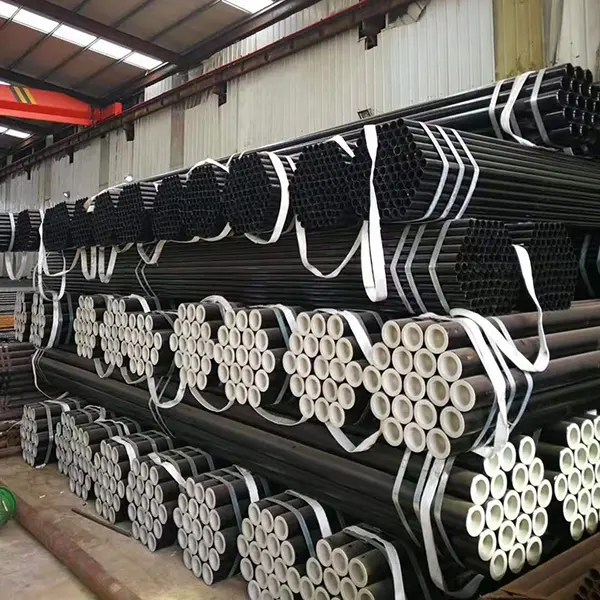
Aluminized steel pipe is a ferrous material coated with an aluminum-silicon alloy via a hot-dip process. Positioned primarily within the exhaust systems of automotive, industrial, and power generation applications, it provides a cost-effective alternative to stainless steel where high-temperature corrosion resistance is required. Its core performance characteristics revolve around its ability to withstand sustained elevated temperatures – typically up to 900°C (1652°F) – and resist oxidation, sulfidation, and chloride attack, significantly extending service life compared to uncoated carbon steel. The aluminization process creates a diffusion layer, resulting in superior adhesion and preventing spalling, a common failure mode in other coating systems. The selection criteria often center on balancing cost, weight, and required operational lifespan under aggressive environmental conditions. A key industry pain point is ensuring consistent aluminization coating thickness and adherence, as variations directly impact corrosion protection and lead to premature failure.
Material Science & Manufacturing
The base material for aluminized steel pipe is typically a low-carbon steel, such as ASTM A53 Grade B or equivalent, chosen for its formability and weldability. The aluminizing alloy commonly consists of 85-95% aluminum and 5-15% silicon, with trace amounts of other elements like iron and manganese. The silicon content is crucial; it promotes rapid diffusion of aluminum into the steel substrate, forming an intermetallic layer. The manufacturing process involves several stages. First, the steel pipe undergoes thorough cleaning and pickling to remove scale, rust, and oils. This is followed by flux application, typically a mixture of ammonium chloride and zinc chloride, which facilitates the diffusion process. The pipe is then immersed in a molten aluminum-silicon bath at temperatures ranging from 815-925°C (1500-1700°F) for a duration determined by the desired coating thickness, typically 30 seconds to 5 minutes. After removal, the pipe is cooled, quenched, and subjected to a post-treatment, often including passivation to enhance corrosion resistance. Critical parameters include bath temperature control (+/- 5°C), immersion time, steel surface cleanliness, and flux composition. Variations in these parameters directly impact coating uniformity and adherence. Microstructural analysis reveals the formation of Fe-Al and Fe-Si intermetallic layers, providing the core protective barrier. The diffusion process isn’t merely surface deposition; it alters the metallurgical structure of the steel immediately below the surface.
Performance & Engineering
The performance of aluminized steel pipe is heavily reliant on its resistance to high-temperature corrosion. This resistance is derived from the formation of a protective alumina (Al₂O₃) scale that forms on the surface at elevated temperatures. This scale acts as a diffusion barrier, preventing further oxidation of the steel substrate. Engineering calculations surrounding aluminized steel pipe often involve thermal stress analysis, particularly in exhaust systems subject to rapid temperature fluctuations. Coefficient of thermal expansion mismatch between the steel and the aluminized coating introduces stresses that can lead to coating cracking and spalling over time. Finite element analysis (FEA) is commonly employed to model these stresses and optimize pipe geometry and support structures. Compliance requirements vary by industry. Automotive applications are governed by standards such as SAE J946 for exhaust systems. Power generation facilities must adhere to ASME Boiler and Pressure Vessel Code Section I for high-pressure steam piping utilizing aluminized steel. Environmental resistance is also crucial; prolonged exposure to chlorides, sulfur compounds, and other corrosive agents can accelerate coating degradation. The aluminized layer’s effectiveness diminishes with increasing temperature and exposure duration in these environments. Fatigue analysis is also essential, especially in applications subject to vibration and cyclical loading. The coating's adherence and thickness directly affect the pipe's resistance to fatigue crack initiation.
Technical Specifications
| Parameter | ASTM A53 Grade B (Base Steel) | Aluminized Coating Thickness (Typical) | Operating Temperature Limit |
|---|---|---|---|
| Yield Strength (MPa) | 250 | N/A (Coating does not significantly affect yield strength) | 900°C (1652°F) |
| Tensile Strength (MPa) | 400 | N/A | N/A |
| Aluminization Alloy Composition (wt%) | N/A | Aluminum: 85-95%, Silicon: 5-15% | N/A |
| Coating Adhesion (ASTM A780) | N/A | Pass (No visible evidence of coating separation) | N/A |
| Salt Spray Resistance (ASTM B117) | < 24 hrs | > 100 hrs | N/A |
| Coating Uniformity (Thickness Variation) | N/A | +/- 10% | N/A |
Failure Mode & Maintenance
The primary failure modes of aluminized steel pipe include coating degradation, oxidation of the base steel, and mechanical failure. Coating spalling is a common issue, often initiated by thermal stress and exacerbated by corrosion. The alumina scale can crack due to thermal cycling, allowing ingress of corrosive agents to the underlying steel. Sulfidation, particularly in sulfur-rich environments, forms iron sulfide scales that are less protective than alumina. Hydrogen embrittlement can also occur, leading to reduced ductility and increased susceptibility to cracking. Creep deformation can happen at elevated temperatures, leading to dimensional changes and eventual failure. Maintenance involves periodic inspections for coating damage, corrosion, and cracking. Non-destructive testing methods, such as visual inspection, ultrasonic testing, and eddy current testing, can identify potential issues before they lead to catastrophic failure. Minor coating damage can be repaired using aluminizing repair compounds. However, extensive damage typically necessitates pipe replacement. Regular cleaning to remove corrosive deposits and maintaining proper ventilation to reduce moisture and contaminant levels are crucial preventative measures. In applications prone to high vibration, periodic tightening of supports and inspection for fatigue cracks are essential. Avoidance of rapid temperature cycling and operation within the specified temperature limits will maximize service life.
Industry FAQ
Q: What is the primary benefit of aluminized steel pipe over standard carbon steel in high-temperature applications?
A: The primary benefit is significantly improved oxidation and corrosion resistance at elevated temperatures. The aluminized coating forms a protective alumina scale that prevents the underlying steel from oxidizing, extending the service life of the pipe in harsh environments where carbon steel would rapidly corrode.
Q: How does the silicon content in the aluminizing alloy affect performance?
A: Silicon is critical as it promotes the rapid diffusion of aluminum into the steel substrate during the hot-dip process. This diffusion creates the intermetallic layer responsible for the coating's adhesion and corrosion resistance. Higher silicon content generally leads to faster diffusion and a more robust coating, but excessive silicon can impact ductility.
Q: What are the limitations of aluminized steel pipe concerning chloride exposure?
A: While aluminized steel provides good corrosion resistance, prolonged exposure to chlorides can still lead to coating degradation. Chlorides can penetrate the alumina scale, causing pitting corrosion and eventual failure. Supplemental corrosion protection strategies may be needed in marine or heavily chlorinated environments.
Q: Can aluminized steel pipe be welded? If so, what considerations are necessary?
A: Yes, aluminized steel pipe can be welded, but requires careful consideration. The aluminized coating must be removed in the weld area, and a compatible welding process (e.g., SMAW, GTAW) and filler metal should be selected. Post-weld, the repaired area should be re-aluminized to restore corrosion protection.
Q: What is the typical lifespan of aluminized steel pipe in a typical automotive exhaust system?
A: The lifespan varies depending on operating conditions and exposure to corrosive elements. However, under normal operating conditions, aluminized steel exhaust components typically last 8-12 years, significantly longer than uncoated carbon steel alternatives.
Conclusion
Aluminized steel pipe presents a compelling engineering solution for applications requiring high-temperature corrosion resistance at a moderate cost. The efficacy of this material stems from the carefully controlled diffusion of aluminum and silicon into the steel substrate, creating a protective alumina scale. Understanding the intricacies of the manufacturing process – particularly bath temperature, immersion time, and surface preparation – is paramount to achieving consistent coating quality and maximizing service life.
Future developments may focus on enhancing the coating’s resistance to chloride attack and improving its long-term performance in increasingly aggressive environments. Further research into alloy compositions and surface treatments could lead to more durable and reliable aluminized steel pipes capable of withstanding even more demanding operating conditions. Proper maintenance and periodic inspection remain critical to ensuring optimal performance and preventing premature failure.
