
Introduction
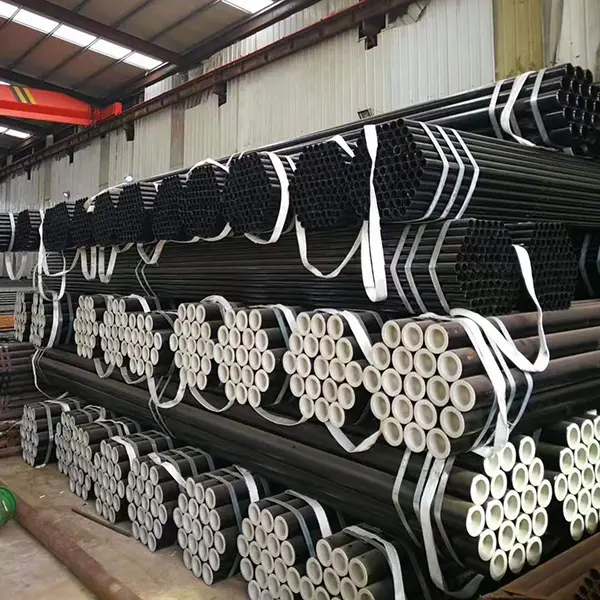
Carport tubing, typically manufactured from galvanized steel or aluminum, constitutes a critical structural component in modern carport systems. Positioned within the building materials supply chain as a semi-finished good, it serves as the primary load-bearing element for roof support. Unlike heavier structural steel sections, carport tubing offers a beneficial strength-to-weight ratio, facilitating ease of installation and reducing overall project costs. Its performance is defined by its ability to resist bending moments, shear forces, and axial loads induced by snow, wind, and the weight of the carport structure itself. Understanding the nuances of material selection, manufacturing processes, and performance characteristics is crucial for ensuring long-term structural integrity and compliance with regional building codes. The proliferation of pre-engineered carport kits has increased demand, necessitating consistent quality control and standardized material specifications.
Material Science & Manufacturing
The predominant materials for carport tubing are ASTM A53 Grade B galvanized steel and 6061-T6 aluminum alloy. Galvanized steel offers cost-effectiveness and high tensile strength (typically 50-60 ksi), while its zinc coating provides corrosion resistance. However, the galvanization process can introduce inconsistencies in coating thickness, potentially leading to localized corrosion. Aluminum 6061-T6 provides superior corrosion resistance, a lighter weight (approximately one-third that of steel), and excellent workability. Its tensile strength falls in the range of 45 ksi, requiring larger diameter tubing or thicker wall thicknesses for equivalent load-bearing capacity. Manufacturing typically involves Electric Resistance Welding (ERW) for steel tubing and extrusion for aluminum. ERW steel tubing requires careful control of welding parameters (current, voltage, speed) to avoid weld defects such as porosity and lack of fusion. Aluminum extrusion involves forcing heated billet through a die, followed by solution heat treatment and artificial aging to achieve the T6 temper, maximizing strength. Key process parameters include die design, extrusion speed, and cooling rate. Precise dimensional tolerances are maintained through post-extrusion sizing and straightening operations. The consistency of surface finish, particularly the zinc coating on steel, is critical and monitored using techniques like eddy current testing.
Performance & Engineering
Engineering design of carport tubing structures necessitates a thorough understanding of structural mechanics and load analysis. Key considerations include dead load (weight of the carport itself), live load (snow, potential ice accumulation, and maintenance personnel), and wind load. Wind load calculations are particularly complex, varying based on geographic location, exposure category, and building height. Finite Element Analysis (FEA) is often employed to model stress distributions within the tubing under various loading scenarios. Buckling is a primary failure mode for relatively thin-walled tubing, especially under compressive loads. The slenderness ratio (length/radius of gyration) is a critical parameter in buckling analysis. Connection design – the method by which tubing sections are joined – is also crucial. Common methods include bolted connections, welded connections, and clamp connections. Bolted connections require properly sized and torqued bolts, and consideration of hole tolerances. Welded connections must adhere to AWS D1.1 standards to ensure weld quality and strength. Corrosion protection is paramount. For steel tubing, the zinc coating provides galvanic protection, but scratches or damage to the coating can initiate corrosion. Aluminum is naturally corrosion resistant, but can experience galvanic corrosion in contact with dissimilar metals. Regular inspection and maintenance (e.g., re-coating damaged areas) are essential to prolong structural life.
Technical Specifications
| Parameter | Galvanized Steel (Typical) | Aluminum 6061-T6 (Typical) | Units |
|---|---|---|---|
| Yield Strength | 50 ksi | 40 ksi | psi |
| Tensile Strength | 60 ksi | 45 ksi | psi |
| Wall Thickness | 0.083 – 0.120 in | 0.100 – 0.150 in | in |
| Outside Diameter | 1.5 – 2.5 in | 2.0 – 3.0 in | in |
| Zinc Coating Thickness (Steel) | G90 (0.90 oz/ft²) | N/A | oz/ft² |
| Corrosion Resistance | Moderate | Excellent | Qualitative |
Failure Mode & Maintenance
Common failure modes for carport tubing include: 1) Galvanic Corrosion (steel): Occurs when the zinc coating is compromised, exposing the steel to the elements. Leads to rust and section loss. 2) Weld Failure (steel): Caused by improper welding techniques, porosity, or lack of fusion. Manifests as cracking or complete separation of the weld. 3) Buckling: Occurs under compressive loads when the tubing exceeds its critical buckling stress. Results in sudden deformation or collapse. 4) Fatigue Cracking: Develops under cyclic loading (e.g., wind gusts) over time. Initiates at stress concentrations (e.g., welds, bends) and propagates gradually. 5) Aluminum Pitting Corrosion: Can occur in aluminum exposed to chloride environments (e.g., coastal areas). Forms small pits on the surface. Maintenance recommendations include: 1) Regular Visual Inspection: Check for signs of corrosion, cracks, or deformation. 2) Re-coating (steel): Repair damaged zinc coatings with zinc-rich paint. 3) Tighten Connections: Ensure all bolts are properly torqued and connections are secure. 4) Clean Debris: Remove accumulated snow, leaves, and other debris to reduce load. 5) Periodic Structural Assessment: Engage a qualified structural engineer to perform a comprehensive assessment every 5-10 years.
Industry FAQ
Q: What is the impact of snow load on carport tubing selection?
A: Snow load significantly impacts tubing selection. Higher snow load regions necessitate larger diameter tubing, thicker wall thicknesses, or closer spacing of support members to prevent buckling or overstressing. Local building codes specify minimum snow load requirements, which must be factored into the structural design. Accurate assessment of snow load is critical, accounting for roof slope and potential drift accumulation.
Q: How does the choice between galvanized steel and aluminum affect long-term costs?
A: While galvanized steel is initially less expensive, aluminum offers lower life-cycle costs due to its superior corrosion resistance. Steel requires periodic re-coating to prevent rust, adding to maintenance expenses. Aluminum eliminates this need, reducing long-term ownership costs, particularly in corrosive environments.
Q: What are the key considerations for welding carport tubing?
A: Welding requires qualified welders certified to AWS D1.1 standards. Proper joint preparation, preheating (for thicker sections), and shielding gas selection are essential. Weld inspection (visual, radiographic, or ultrasonic) should be performed to verify weld quality and detect defects. Post-weld heat treatment may be required to relieve residual stresses.
Q: What are the common causes of buckling in carport tubing?
A: Buckling is primarily caused by compressive loads exceeding the tubing’s critical buckling strength. Factors contributing to buckling include: long unsupported lengths, thin wall thicknesses, and imperfections in the tubing geometry. Proper bracing and support are crucial to prevent buckling.
Q: How important is proper grounding for carports with metal tubing?
A: Proper grounding is critically important for carports with metal tubing to protect against lightning strikes and electrical hazards. The tubing should be connected to a grounding rod using appropriately sized grounding conductors, adhering to local electrical codes. This provides a safe path for electrical current to flow to the ground.
Conclusion
Carport tubing selection and implementation represent a complex interplay of material science, structural engineering, and long-term durability considerations. Galvanized steel provides a cost-effective solution for many applications, but requires diligent corrosion protection. Aluminum offers superior corrosion resistance and a lighter weight, justifying its higher initial cost in corrosive environments or when weight is a critical factor. Accurate load analysis, proper connection design, and adherence to relevant building codes are paramount to ensure structural integrity and prevent premature failure.
Looking forward, advancements in material coatings, such as improved zinc alloys and organic coatings for steel, and the development of high-strength aluminum alloys will continue to refine carport tubing performance. Increased adoption of Building Information Modeling (BIM) will facilitate more accurate structural analysis and optimization, leading to more efficient and durable carport designs. Regular inspection and maintenance programs, coupled with proactive corrosion prevention strategies, are essential for maximizing the service life of carport structures.
