
Introduction
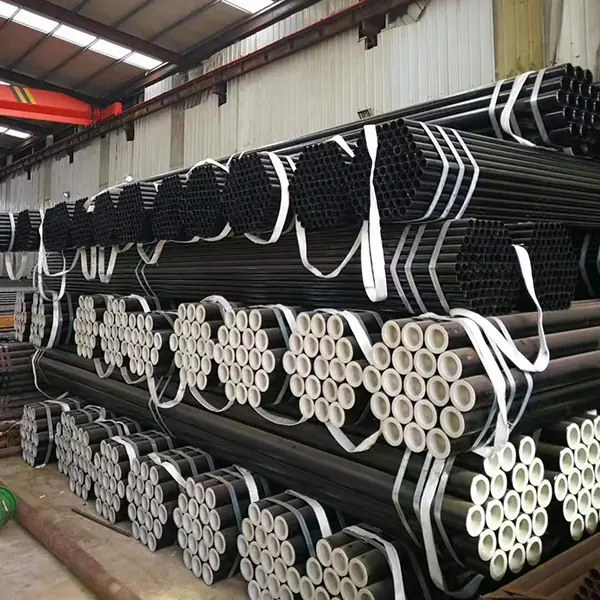
Conduit metal pipe, encompassing Rigid Metal Conduit (RMC), Intermediate Metal Conduit (IMC), and Electrical Metallic Tubing (EMT), represents a critical component in electrical distribution systems and various industrial applications. Positioned within the electrical infrastructure value chain, its primary function is to protect and route electrical conductors, providing mechanical strength and safeguarding against environmental factors. Core performance characteristics center around electrical continuity, impact resistance, corrosion protection, and compliance with stringent safety standards. The selection of specific conduit types is dictated by application requirements, balancing cost, weight, and environmental exposure. A significant industry pain point lies in achieving long-term corrosion resistance, particularly in harsh environments, and maintaining consistent dimensional accuracy during installation to ensure reliable grounding and prevent stress on conductors. Furthermore, ensuring compliance with evolving regulatory standards and optimizing material utilization for cost-effectiveness are ongoing challenges.
Material Science & Manufacturing
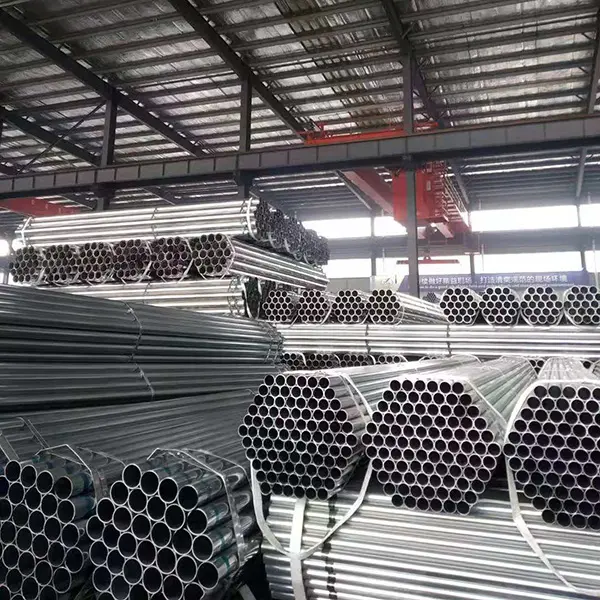
Conduit metal pipe is predominantly manufactured from carbon steel, although galvanized steel and aluminum alloys are also employed to enhance corrosion resistance. Carbon steel, typically ASTM A53 Grade B or equivalent, offers high tensile strength and weldability. Galvanization, a process involving coating steel with zinc, provides sacrificial corrosion protection. Aluminum alloys, like 6061-T6, offer excellent corrosion resistance and lighter weight but at a higher cost. Manufacturing processes vary depending on the conduit type. RMC is typically produced through Electric Resistance Welding (ERW) or double-welded seam processes. Critical parameters during welding include current, voltage, welding speed, and electrode pressure, which directly influence weld strength and integrity. IMC utilizes a similar process but with tighter control over steel composition and wall thickness to achieve a balance between strength and ductility. EMT is manufactured through a process involving cold-forming and subsequent welding, requiring precise control of forming parameters to maintain dimensional accuracy. Post-manufacturing, conduits undergo threading, bending, and coating processes. Threading requires precision cutting tools and die alignment to ensure proper engagement with fittings. Bending is achieved using hydraulic or mechanical benders, demanding careful calibration to avoid ovality or kinking. Coating, beyond galvanization, may involve epoxy or polymer coatings for specialized applications requiring enhanced chemical resistance.
Performance & Engineering
The performance of conduit metal pipe is dictated by its ability to withstand mechanical stresses, environmental exposure, and electrical demands. Force analysis focuses on hoop stress due to internal pressure (from cable pulling), bending moments during installation, and external loads from supports and attachments. Calculations based on thin-walled cylinder theory are used to determine the minimum required wall thickness to prevent collapse or yielding. Environmental resistance is paramount, with corrosion being the primary concern. Galvanization provides cathodic protection, but its effectiveness diminishes over time, especially in marine or highly corrosive environments. The rate of zinc consumption depends on factors like sulfur dioxide concentration, humidity, and salt spray exposure. Electrical continuity is crucial for grounding and fault current paths. Conduit joints must be properly threaded and torqued to ensure low electrical resistance. Compliance requirements are stringent, governed by standards like the National Electrical Code (NEC) in the US and IEC standards internationally. These standards specify requirements for material properties, dimensions, installation practices, and testing procedures. For example, bending radius limitations are dictated by NEC to avoid damaging conductor insulation. Proper grounding and bonding are also essential for safety and electromagnetic compatibility (EMC).
Technical Specifications
| Parameter | RMC (Rigid Metal Conduit) | IMC (Intermediate Metal Conduit) | EMT (Electrical Metallic Tubing) |
|---|---|---|---|
| Material | Carbon Steel (A53 Grade B) | Carbon Steel (Modified A53) | Carbon Steel (Low Carbon) |
| Wall Thickness (Typical) | 0.154” (16 Gauge) | 0.138” (16 Gauge) | 0.083” (16 Gauge) |
| Tensile Strength (PSI) | 60,000 - 80,000 | 50,000 - 70,000 | 40,000 - 50,000 |
| Yield Strength (PSI) | 36,000 - 45,000 | 30,000 - 40,000 | 25,000 - 35,000 |
| Corrosion Resistance | Galvanized or Epoxy Coated | Galvanized or Epoxy Coated | Galvanized or Epoxy Coated |
| Weight (lbs/ft) - 1/2" Diameter | 0.63 | 0.53 | 0.33 |
Failure Mode & Maintenance
Conduit metal pipe is susceptible to several failure modes. Corrosion is a primary concern, leading to rust penetration and eventual loss of structural integrity. This is accelerated in environments with high humidity, salt spray, or exposure to corrosive chemicals. Fatigue cracking can occur due to repeated bending or vibration, particularly at threaded joints. Delamination of galvanizing coatings can expose the underlying steel to corrosion. Physical damage during installation or operation, such as impact or crushing, can compromise the conduit's integrity. Oxidation at elevated temperatures can weaken the steel. To mitigate these failures, regular inspections are crucial. Visual inspections should focus on identifying signs of corrosion, damage, or coating degradation. Torque testing of threaded joints ensures proper electrical contact and mechanical strength. Preventive maintenance includes applying corrosion inhibitors, repairing damaged coatings, and reinforcing supports to prevent excessive stress. In corrosive environments, consider using conduits with thicker galvanization or alternative materials like stainless steel or aluminum. Proper grounding and bonding are essential to prevent galvanic corrosion. If fatigue cracking is suspected, conduct non-destructive testing (NDT) methods like ultrasonic testing or radiography to assess the extent of the damage.
Industry FAQ
Q: What is the primary difference between RMC and EMT, and when would I choose one over the other?
A: RMC (Rigid Metal Conduit) offers superior mechanical strength and is suitable for applications requiring robust protection, such as direct burial or locations subject to physical damage. It’s thicker-walled and heavier than EMT. EMT (Electrical Metallic Tubing) is lighter, easier to bend, and more cost-effective, making it ideal for indoor applications where physical protection requirements are less demanding.
Q: How does galvanization affect the long-term performance of steel conduit in corrosive environments?
A: Galvanization provides sacrificial corrosion protection; the zinc coating corrodes preferentially to the steel. However, the rate of zinc consumption depends on environmental factors. In highly corrosive environments, the zinc layer will deplete over time, leaving the steel vulnerable. Regularly inspecting the coating and applying supplemental corrosion protection are critical for long-term performance.
Q: What are the critical considerations for grounding and bonding conduit systems?
A: Proper grounding and bonding are essential for safety and electrical code compliance. All conduit sections must be electrically continuous, achieved through properly torqued threaded joints. Bonding jumpers should be installed to connect metallic conduit sections to ground, providing a low-impedance path for fault currents. The grounding system must meet NEC requirements for grounding electrode systems.
Q: What are the typical failure modes associated with threaded conduit joints?
A: Common failure modes include thread stripping due to over-torquing, corrosion at the threads leading to increased resistance, and loosening due to vibration. Using proper torque specifications, applying anti-seize compound, and regular inspection are crucial for preventing failures. Ensuring the threads are clean and free of debris is also important.
Q: Are there alternative materials to steel conduit for specialized applications?
A: Yes, alternative materials include aluminum conduit (offering excellent corrosion resistance and lighter weight), PVC conduit (non-metallic, suitable for corrosive environments), and stainless steel conduit (superior corrosion resistance and strength, but more expensive). The choice depends on the specific application requirements and environmental conditions.
Conclusion
Conduit metal pipe remains a foundational element in electrical infrastructure, providing critical protection and routing for electrical conductors. Its selection and implementation necessitate a thorough understanding of material science, manufacturing processes, and performance characteristics. The persistent challenges of corrosion, mechanical stress, and regulatory compliance demand ongoing vigilance in material selection, installation practices, and preventive maintenance.
Looking ahead, advancements in coating technologies and materials science will likely drive the development of more durable and corrosion-resistant conduit solutions. Furthermore, integrating smart sensing technologies into conduit systems could enable real-time monitoring of structural integrity and corrosion levels, facilitating proactive maintenance and extending service life. The optimization of conduit design and manufacturing for enhanced sustainability, through material efficiency and reduced energy consumption, will also be a key focus.
