
Introduction
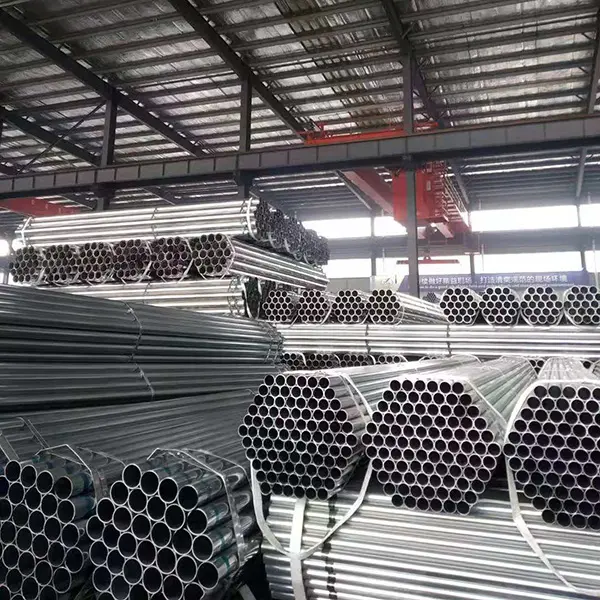
Flexible pipe metal, commonly referred to as corrugated metal pipe (CMP), represents a critical component in modern infrastructure, particularly within drainage, conveyance, and subsea applications. Distinguished by its multi-layered construction – typically a corrugated inner and outer metal layer separated by a fill material – flexible pipe metal offers a compelling balance of strength, flexibility, and cost-effectiveness. Its position in the industry chain falls between raw material production (steel, aluminum, polypropylene) and final installation in projects ranging from highway culverts and stormwater management systems to offshore oil and gas pipelines. Core performance characteristics center around its ability to withstand soil loads, resist corrosion, accommodate ground movement, and provide a long service life with minimal maintenance. The increasing demand for sustainable infrastructure and efficient fluid transport systems drives ongoing innovation in CMP design and material selection, particularly regarding enhanced corrosion protection and improved load-bearing capacity.
Material Science & Manufacturing
The primary materials utilized in flexible pipe metal production are typically galvanized steel, aluminum, and increasingly, stainless steel and polymer-coated steel. Galvanized steel, offering a cost-effective balance of strength and corrosion resistance, remains the most prevalent choice. The galvanization process, involving the application of a zinc coating, provides sacrificial protection to the underlying steel. Aluminum is favored in applications requiring lightweight solutions and superior corrosion resistance, especially in chloride-rich environments. Stainless steel, though more expensive, delivers exceptional durability and resistance to aggressive chemicals. Polymer coatings, such as polyethylene or polypropylene, enhance corrosion protection and improve abrasion resistance.
Manufacturing involves several key processes. Corrugation is the initial step, forming the inner and outer metal layers using roll-forming equipment. The profile of the corrugation (e.g., circular, helical, square) dictates the pipe's structural properties and load-bearing capacity. The fill material, commonly granular aggregates like gravel or crushed stone, is then placed between the corrugated layers. More advanced designs incorporate a geomembrane surrounding the fill to prevent soil intrusion and further enhance corrosion resistance. Finally, bandings or interlocking systems secure the layers, creating a cohesive and structurally sound pipe. Critical parameters during manufacturing include consistent corrugation depth and spacing, accurate fill material compaction, and robust banding/interlock integrity. Welding processes, where employed for seam joining, must adhere to stringent quality control standards (AWS D1.1 for steel, AWS D1.2 for aluminum) to prevent weld defects like porosity or lack of fusion. Polymer coating application requires precise control of coating thickness and adhesion to ensure long-term performance.

Performance & Engineering
The performance of flexible pipe metal is fundamentally governed by its ability to withstand external loads, internal pressures, and environmental factors. Force analysis typically employs finite element analysis (FEA) to model the pipe's structural response under various loading conditions – vertical soil loads, horizontal pressure from embankments, live loads from traffic, and hydrostatic pressure from contained fluids. Buckling resistance is a paramount concern, particularly for large-diameter pipes and those installed in soft or unstable soils. The corrugated geometry imparts significant ring stiffness, resisting buckling under compressive loads.
Environmental resistance is crucial for long-term durability. Corrosion, induced by soil moisture, chlorides, and chemical exposure, is a primary degradation mechanism. Galvanization, aluminum alloys, stainless steel, and polymer coatings mitigate corrosion, but their effectiveness varies depending on the specific environmental conditions. Freeze-thaw cycles can induce stress within the pipe structure, leading to cracking or deformation. UV exposure can degrade polymer coatings, reducing their protective capabilities. Compliance requirements often dictate specific performance standards based on the intended application. Highway culverts, for example, must meet AASHTO M 36 standards, while stormwater drainage systems may adhere to local municipal regulations. Subsea pipelines are governed by API RP 5L2 and ISO 13623, which address material selection, design, fabrication, and installation requirements for offshore pipelines.
Technical Specifications
| Parameter | Units | Typical Value (Steel CMP) | Typical Value (Aluminum CMP) |
|---|---|---|---|
| Diameter | inches | 12-120 | 12-96 |
| Corrugation Profile | - | Circular, Helical | Circular, Helical |
| Steel Gauge | inches | 16-12 | - |
| Aluminum Alloy | - | - | 5052, 6061 |
| Fill Material | - | Gravel, Crushed Stone | Gravel, Crushed Stone |
| Minimum Ring Stiffness | psi | 75-200 | 50-150 |
Failure Mode & Maintenance
Common failure modes in flexible pipe metal include corrosion-induced degradation, fatigue cracking, deformation due to excessive loading, and joint failures. Corrosion, particularly in steel CMP, manifests as localized pitting or general section loss, reducing the pipe’s structural capacity. Fatigue cracking can occur under repeated loading cycles, such as those experienced by highway culverts subjected to heavy traffic. Deformation, often resulting from inadequate backfill compaction or settlement, can lead to ovality and reduced flow capacity. Joint failures, whether at banding locations or interlocking seams, compromise the pipe’s integrity.
Preventative maintenance is crucial for maximizing service life. Regular inspections should focus on identifying signs of corrosion, deformation, or joint deterioration. Addressing drainage issues and ensuring proper backfill compaction are essential. For steel CMP, periodic application of protective coatings or cathodic protection systems can mitigate corrosion. In cases of localized damage, repairs may involve patching or section replacement. Complete replacement may be necessary for severely corroded or structurally compromised sections. The selection of appropriate backfill material is also critical; granular materials that promote drainage are preferred to minimize moisture retention and corrosion. Proper installation procedures, adhering to manufacturer’s recommendations and industry best practices, are paramount in preventing premature failure.
Industry FAQ
Q: What are the key differences between single- and double-wall flexible pipe metal?
A: Single-wall CMP consists of a single corrugated metal layer with fill material, suitable for smaller diameter applications with moderate loading. Double-wall CMP incorporates an inner and outer corrugated layer, providing enhanced strength, durability, and corrosion resistance, making it ideal for larger diameters and more demanding environments. Double-wall configurations typically offer higher ring stiffness and improved resistance to deformation.
Q: How does the gauge of the steel impact the performance of galvanized steel CMP?
A: The steel gauge directly correlates with the pipe’s structural capacity. A thicker gauge (lower number) provides greater strength and resistance to deformation and buckling. However, increasing the gauge also increases the cost and weight of the pipe. Selecting the appropriate gauge requires careful consideration of the anticipated loading conditions and the required service life.
Q: What are the advantages of using aluminum CMP over steel CMP in corrosive environments?
A: Aluminum exhibits inherent corrosion resistance, particularly in chloride-rich environments like coastal areas or those exposed to de-icing salts. While galvanized steel provides sacrificial protection, its corrosion resistance is limited over time. Aluminum CMP eliminates the need for sacrificial coatings and offers a longer service life in corrosive environments, albeit at a higher initial cost.
Q: What is the role of the fill material in the performance of flexible pipe metal?
A: The fill material provides structural support, distributes external loads, and prevents soil intrusion. Its compaction density and gradation are critical parameters. Properly compacted granular fill enhances the pipe’s load-bearing capacity and stability. Poorly compacted or unsuitable fill can lead to deformation and premature failure.
Q: What standards govern the quality control of flexible pipe metal manufacturing?
A: Key standards include AASHTO M 36 (for highway culverts), ASTM F857 (standard specification for corrugated steel pipe, metallic coated), and ASTM F1115 (standard specification for corrugated aluminum structural plate). These standards define requirements for material properties, manufacturing processes, and quality control testing, ensuring that the pipe meets specified performance criteria.
Conclusion
Flexible pipe metal remains a vital infrastructure component due to its cost-effectiveness, adaptability, and ease of installation. The selection of appropriate materials, coupled with rigorous adherence to manufacturing standards and proper installation techniques, are paramount for ensuring long-term performance and minimizing life-cycle costs. Ongoing research focuses on developing enhanced corrosion protection strategies, optimizing structural designs, and utilizing sustainable materials to further improve the durability and environmental impact of flexible pipe metal systems.
Future trends point towards increased adoption of polymer-coated steel and aluminum alloys, driven by demands for enhanced corrosion resistance in aggressive environments. Advancements in FEA modeling and non-destructive testing techniques will enable more accurate prediction of pipe performance and facilitate proactive maintenance strategies. Furthermore, the integration of smart sensors and remote monitoring systems will provide real-time data on pipe condition, enabling predictive maintenance and optimizing asset management.
