
Introduction
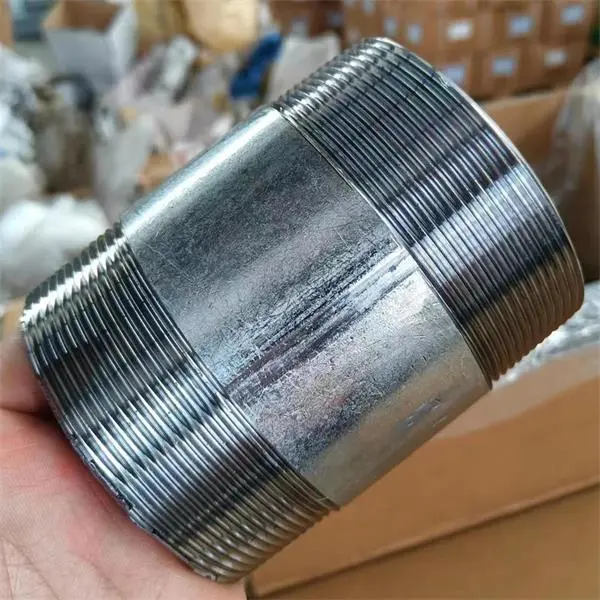
Galvanised steel pipe is a carbon steel pipe that has been coated with a layer of zinc through a process known as galvanisation. This coating provides enhanced corrosion resistance, making it suitable for a wide range of applications across industries including construction, plumbing, water supply, and oil & gas. Positioned within the broader steel pipe manufacturing chain, galvanised steel pipe represents a value-added product designed to extend the service life of steel infrastructure in corrosive environments. Core performance characteristics revolve around its protective zinc layer, influencing its durability, resistance to environmental factors, and long-term cost-effectiveness. The galvanisation process impacts mechanical properties, necessitating careful control of coating thickness and adherence. A key pain point within the industry is maintaining consistent zinc coating quality and addressing potential issues like white rust formation or coating damage during handling and installation.
Material Science & Manufacturing
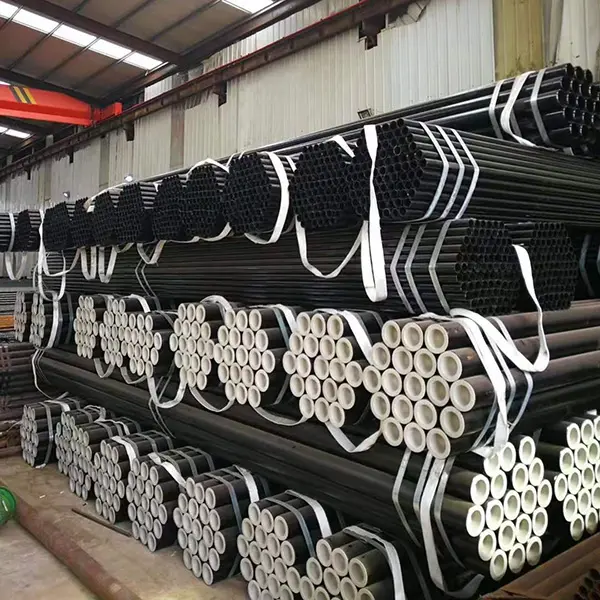
The base material for galvanised steel pipe is typically carbon steel, conforming to standards such as ASTM A53 Grade B or API 5L. The steel's composition, primarily iron with varying amounts of carbon, manganese, silicon, and phosphorus, dictates its inherent mechanical properties like tensile strength and yield strength. The manufacturing process begins with steel billet production, followed by seamless or welded pipe formation. Seamless pipes are produced through processes like extrusion, while welded pipes are created by rolling steel strips and subsequently welding the seam – often using Electric Resistance Welding (ERW) or submerged arc welding. Following pipe formation, surface preparation is critical for effective galvanisation. This involves pickling with hydrochloric or sulfuric acid to remove mill scale and rust, followed by fluxing to create a chemically active surface. The galvanisation process itself typically employs hot-dip galvanisation, where the steel pipe is immersed in a molten zinc bath (98% pure zinc) at temperatures around 450-460°C (842-860°F). The reaction between iron and zinc forms a series of zinc-iron alloy layers, culminating in an outer layer of pure zinc. Critical parameters include immersion time, zinc bath temperature, and cooling rate. Variations exist, such as electrogalvanisation, but hot-dip galvanisation is dominant for large-diameter pipes due to its cost-effectiveness and coating thickness. The coating thickness is controlled by withdrawal speed and zinc bath composition. Post-galvanisation, the pipes may undergo inspection, hydrostatic testing, and end treatment (e.g., threading, grooving).
Performance & Engineering
The performance of galvanised steel pipe is fundamentally governed by the protective nature of the zinc coating. Zinc acts as a sacrificial anode, corroding preferentially to the underlying steel, thus preventing rust formation. This cathodic protection extends even to areas of the steel exposed by scratches or damage to the coating. The effectiveness of this protection depends on coating thickness, zinc purity, and environmental conditions. Force analysis is crucial in pipeline design, considering internal pressure, external loads (soil pressure, traffic loads), and bending moments. Galvanised steel’s yield strength and tensile strength dictate its ability to withstand these forces without deformation or failure. Environmental resistance involves assessing the pipe’s performance in various climates – exposure to saltwater, industrial pollutants, and acidic soils. The zinc coating degrades over time due to atmospheric corrosion, resulting in the formation of zinc oxides and hydroxides. The rate of degradation is influenced by humidity, temperature, and the presence of corrosive agents. Compliance requirements vary by region and application. For potable water systems, pipes must meet standards related to lead content and hygienic properties. For structural applications, adherence to building codes and pressure vessel standards (e.g., ASME B31.1) is essential. Finite element analysis (FEA) is commonly employed to model stress distribution and predict pipe behaviour under various loading conditions. Corrosion rate modelling also helps estimate the remaining service life of galvanised steel pipelines.
Technical Specifications
| Parameter | ASTM A53 Grade B (Typical) | API 5L Grade B (Typical) | Galvanisation Coating Thickness (Typical) |
|---|---|---|---|
| Outer Diameter (inch) | 0.5 – 4.0 | 0.375 – 4.5 | Varies with diameter; 0.002 - 0.006 inches (50-150μm) |
| Wall Thickness (inch) | Schedule 40, 80 | 0.065 – 0.375 | N/A |
| Yield Strength (psi) | 36,000 | 32,000 | N/A |
| Tensile Strength (psi) | 58,000 | 65,000 | N/A |
| Zinc Coating Weight (oz/ft²) | N/A | N/A | 1.2 – 3.0 |
| Corrosion Resistance (Salt Spray Test, hours) | N/A | N/A | 240 – 1000+ (dependent on coating thickness) |
Failure Mode & Maintenance
Galvanised steel pipe is susceptible to several failure modes. Uniform corrosion, though mitigated by the zinc coating, eventually occurs as the zinc is consumed. Localised corrosion, such as pitting corrosion, can initiate at defects in the coating or areas with high chloride concentration. White rust (zinc corrosion product) can form in humid environments, especially during storage and transportation. Hydrogen embrittlement can occur during the pickling process if sufficient precautions aren't taken, leading to cracking. Mechanical damage, such as dents or scratches during handling, compromises the coating and accelerates corrosion. Fatigue cracking can occur under cyclic loading, particularly at weld seams. Creep can be a factor at elevated temperatures. Maintenance strategies include regular inspection for coating damage and signs of corrosion. Repairing damaged coatings with zinc-rich paints or applying additional galvanisation is recommended. Cathodic protection systems (e.g., impressed current cathodic protection) can be implemented for pipelines in highly corrosive environments. Periodic hydrostatic testing verifies the pipe’s structural integrity. Internal cleaning and pigging remove deposits that can accelerate corrosion. Proper storage and handling procedures are crucial to prevent mechanical damage and white rust formation. Implementing corrosion monitoring programs provides valuable data for assessing the remaining service life and scheduling preventative maintenance.
Industry FAQ
Q: What is the difference between hot-dip galvanisation and electrogalvanisation for steel pipes?
A: Hot-dip galvanisation involves immersing the steel pipe in a molten zinc bath, creating a thicker, more durable coating with superior corrosion resistance. It's generally more cost-effective for larger diameter pipes. Electrogalvanisation uses an electrolytic process to deposit a thinner zinc coating. It offers better coating uniformity and surface finish but provides lower corrosion protection and is more suitable for smaller components or where aesthetics are critical.
Q: How does the presence of chlorides affect the corrosion rate of galvanised steel pipes?
A: Chlorides are highly corrosive to zinc and can accelerate the breakdown of the protective coating. They penetrate the zinc layer and promote pitting corrosion, leading to localised failure. In marine environments or areas exposed to road salts, chloride-induced corrosion is a major concern. Mitigation strategies include using thicker galvanisation coatings, applying barrier coatings, or employing cathodic protection.
Q: What is the expected lifespan of a galvanised steel pipe in a typical potable water distribution system?
A: The lifespan varies significantly depending on water quality, soil conditions, and maintenance practices. Generally, a properly installed and maintained galvanised steel pipe can last 50-70 years in a potable water system. However, aggressive water chemistry (low pH, high chloride content) can significantly reduce the lifespan. Regular monitoring and corrosion control measures are crucial for maximizing service life.
Q: How can I identify white rust on a galvanised steel pipe and what steps should be taken?
A: White rust appears as a powdery, white deposit on the galvanised surface, often forming during storage or transportation in humid conditions. It indicates zinc corrosion. Steps to take include drying the affected area, brushing off loose white rust, and applying a zinc-rich primer followed by a protective coating. Proper ventilation and storage practices are essential to prevent future formation.
Q: What are the key considerations when specifying galvanised steel pipe for a buried pipeline application?
A: Soil resistivity, pH, and the presence of corrosive elements (sulfates, chlorides) are critical considerations. A thicker galvanisation coating is recommended for aggressive soils. Applying a supplemental protective coating (e.g., epoxy coating) over the galvanised layer provides additional corrosion protection. Cathodic protection is often employed to further mitigate corrosion. Proper bedding and backfill materials are also important to prevent mechanical damage and promote drainage.
Conclusion
Galvanised steel pipe remains a prevalent and cost-effective solution for fluid and gas conveyance across diverse industries. Its inherent strength combined with the sacrificial protection offered by the zinc coating provides robust performance in challenging environments. Understanding the material science underpinning the galvanisation process—from steel composition to coating parameters—is vital for ensuring long-term reliability.
However, vigilant maintenance, proactive corrosion monitoring, and informed material selection based on the specific application and environmental conditions are paramount. Future developments will likely focus on enhancing the durability of zinc coatings through alloy additions, exploring alternative corrosion protection methods, and improving inspection techniques to predict remaining service life accurately.