
Introduction
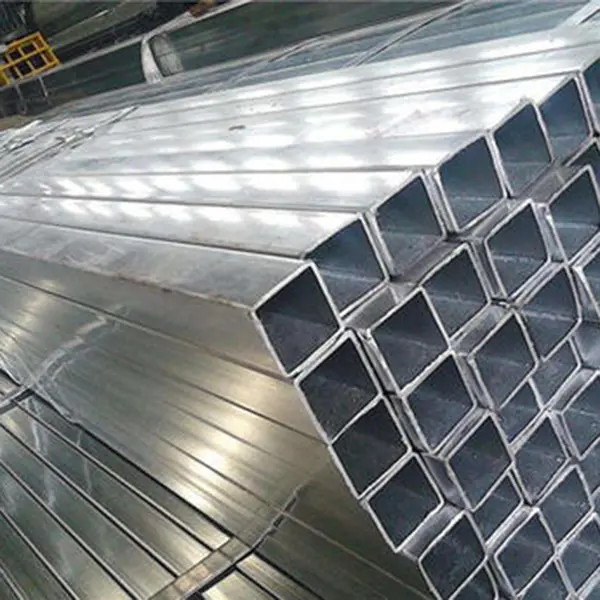
Galvanised steel pipe, encompassing hot-dip galvanised and electro-galvanised variants, represents a critical component within infrastructure, construction, and industrial fluid transfer systems. Suppliers of these pipes serve diverse sectors, including water distribution, oil and gas, structural engineering, and agricultural irrigation. The galvanisation process – applying a protective zinc coating – fundamentally addresses the inherent corrosion susceptibility of carbon steel, extending service life and reducing long-term maintenance costs. This guide provides an in-depth technical overview of galvanised steel pipe, covering material science, manufacturing processes, performance characteristics, common failure modes, and relevant industry standards. A key industry pain point revolves around ensuring consistent zinc coating thickness and adherence to avoid premature corrosion, especially in harsh environmental conditions. Suppliers face the challenge of consistently delivering pipes meeting stringent specifications and navigating fluctuating zinc prices and environmental regulations pertaining to galvanisation byproducts.
Material Science & Manufacturing
Galvanised steel pipe begins with a carbon steel substrate, typically produced via seamless or welded processes. The steel’s composition significantly influences its mechanical properties and weldability. Common grades include ASTM A53 Grade B and A106 Grade B, differing in yield strength and chemical composition. The galvanisation process leverages the electrochemical properties of zinc. Hot-dip galvanisation involves immersing the steel pipe in a molten zinc bath (typically 98% pure zinc) at approximately 450°C (842°F). This creates a metallurgical bond, forming a series of zinc-iron alloy layers culminating in an outer layer of pure zinc. Electro-galvanisation, conversely, uses an electrolytic process to deposit zinc onto the steel surface. Critical parameters in hot-dip galvanisation include steel surface preparation (pickling to remove mill scale and rust), fluxing to promote adhesion, bath temperature control, immersion time, and cooling rates. Manufacturing defects like incomplete zinc coverage, excessive iron build-up, or variations in coating thickness are common challenges addressed through process control and quality inspection. The resulting microstructure of the galvanised coating is crucial; a uniform, dense structure provides optimal corrosion protection. Zinc’s crystalline structure and grain size are influenced by cooling rates, impacting the coating’s mechanical properties and resistance to cracking.

Performance & Engineering
The primary function of galvanisation is to provide cathodic protection to the underlying steel. Zinc corrodes preferentially to steel, sacrificing itself to prevent steel corrosion. This sacrificial protection is most effective when the zinc coating remains intact and electrically connected to the steel. The performance of galvanised steel pipe is critically assessed based on its corrosion resistance, mechanical strength, and pressure-bearing capacity. Force analysis, particularly in structural applications, requires consideration of the pipe’s yield strength, tensile strength, and buckling resistance. Environmental resistance is evaluated through salt spray testing (ASTM B117) and cyclic corrosion testing, simulating exposure to varying temperature, humidity, and pollutants. Compliance requirements vary by region and application. For potable water systems, pipes must meet NSF/ANSI 61 standards for lead content and extractable contaminants. For structural applications, adherence to building codes and relevant ASTM standards (e.g., A53, A123) is essential. The long-term performance of galvanised pipes is also influenced by the operating temperature; elevated temperatures can accelerate corrosion rates and reduce the effectiveness of the zinc coating. Furthermore, the presence of dissimilar metals in contact with galvanised steel can induce galvanic corrosion, requiring careful material selection and isolation techniques.
Technical Specifications
| Parameter | ASTM A53 Grade B (Typical) | ASTM A123 (Hot-Dip Galvanising) | Unit |
|---|---|---|---|
| Yield Strength | 250 | - | MPa |
| Tensile Strength | 450 | - | MPa |
| Minimum Coating Thickness | - | 55 (for external surface) | µm |
| Zinc Coating Weight | - | 850 | g/m² |
| Wall Thickness | Variable (e.g., 6.4 mm) | - | mm |
| Outside Diameter | Variable (e.g., 108 mm) | - | mm |
Failure Mode & Maintenance
Common failure modes in galvanised steel pipe include uniform corrosion (gradual thinning of the zinc coating), localised corrosion (pitting or crevice corrosion), and coating defects (cracking, blistering, or delamination). Fatigue cracking can occur in cyclic loading applications, especially at weld points. Underfilm corrosion develops when moisture and contaminants penetrate the coating, leading to corrosion of the underlying steel. White rust (zinc oxide) formation indicates a degradation of the zinc coating, often exacerbated by exposure to moisture and chlorides. Maintenance strategies include regular visual inspections to identify signs of corrosion, periodic cleaning to remove dirt and debris, and application of protective coatings to enhance corrosion resistance. For damaged coatings, localised repairs using zinc-rich paints or re-galvanising are recommended. Cathodic protection systems (e.g., impressed current cathodic protection) can be employed in critical applications to further mitigate corrosion. Preventative measures, such as avoiding contact with dissimilar metals and ensuring proper drainage to prevent water accumulation, are crucial for extending service life. Conducting regular non-destructive testing (NDT) methods, such as ultrasonic thickness testing, can help monitor wall thickness and detect corrosion progression.
Industry FAQ
Q: What is the difference between hot-dip galvanising and electro-galvanising in terms of corrosion resistance?
A: Hot-dip galvanising generally provides superior corrosion resistance due to the thicker coating and metallurgical bond achieved with the steel substrate. The diffusion of zinc into the steel creates a more robust barrier. Electro-galvanising typically results in a thinner coating, offering adequate protection for less aggressive environments, but not the long-term performance of hot-dip.
Q: How does the presence of chlorides affect the corrosion rate of galvanised steel pipe?
A: Chlorides significantly accelerate the corrosion rate of galvanised steel. They penetrate the zinc coating, disrupting the passive layer and promoting localised corrosion such as pitting. Environments with high chloride concentrations (e.g., coastal areas, de-icing salt applications) require more frequent inspections and potentially enhanced corrosion protection measures.
Q: What are the common causes of blistering in galvanised coatings?
A: Blistering is typically caused by the presence of moisture and contaminants (e.g., oil, grease, mill scale) trapped beneath the zinc coating during the galvanisation process. These contaminants prevent proper adhesion and create pressure, leading to blister formation. Thorough surface preparation is crucial to prevent blistering.
Q: What is the expected service life of a hot-dip galvanised steel pipe in a typical freshwater distribution system?
A: The expected service life varies depending on water quality, soil conditions, and operating parameters, but a well-maintained hot-dip galvanised steel pipe can typically last 50-100 years in a freshwater distribution system. Regular inspections and corrosion monitoring are essential to optimize lifespan.
Q: What are the implications of using dissimilar metals in contact with galvanised steel pipe?
A: Contact between galvanised steel and dissimilar metals (e.g., copper, aluminum) can induce galvanic corrosion, accelerating the corrosion of the more anodic metal (typically the galvanised steel). Using dielectric unions or isolating the metals with non-conductive materials is crucial to prevent galvanic corrosion.
Conclusion
Galvanised steel pipe remains a foundational material in numerous industries due to its cost-effectiveness, strength, and corrosion resistance. The success of its application, however, is contingent on rigorous adherence to manufacturing standards, thorough quality control, and a comprehensive understanding of the electrochemical principles governing its performance. Suppliers play a pivotal role in ensuring the delivery of consistently high-quality products that meet the specific demands of diverse applications.
Future trends in galvanised steel pipe technology include advancements in coating techniques (e.g., zinc-nickel alloys for enhanced corrosion resistance), improved surface preparation methods, and the development of more sustainable galvanisation processes that minimize environmental impact. Continued research into corrosion mechanisms and preventative strategies will further extend the service life and reliability of galvanised steel infrastructure.
