
Introduction
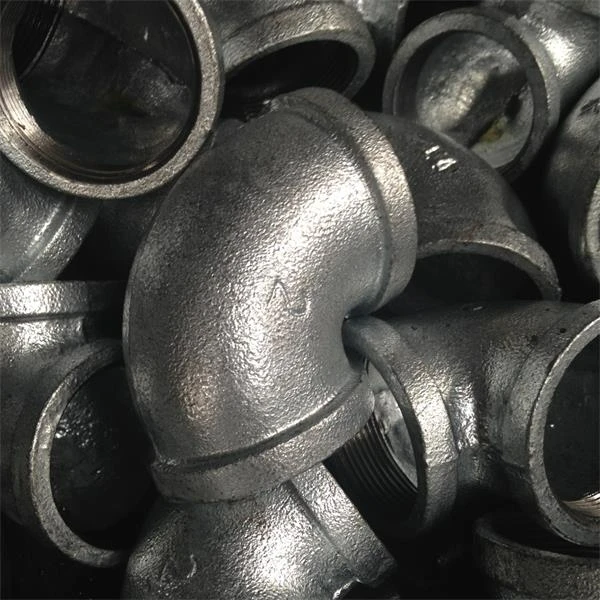
Galvanised tube, encompassing both hot-dip galvanised and electrogalvanised steel tubing, represents a critical component across diverse industrial sectors including construction, infrastructure, automotive, and fluid conveyance systems. Its primary function lies in providing a protective barrier against corrosion for the underlying steel substrate. Positioned within the material supply chain following steel manufacturing and forming, galvanisation represents a key finishing process. Core performance characteristics are defined by the zinc coating thickness, adhesion quality, and the resulting corrosion resistance, which directly influences longevity and lifecycle cost. A prevalent industry challenge is achieving consistent coating quality across complex geometries and large-scale production volumes, coupled with stringent environmental regulations surrounding zinc emissions and wastewater treatment. Galvanised tube offers a cost-effective alternative to stainless steel in many applications, balancing performance requirements with economic feasibility.
Material Science & Manufacturing
The base material for galvanised tube is typically carbon steel, with specific grades selected based on application requirements – commonly ASTM A53 Grade B for general purpose applications or higher strength alloys like ASTM A500 for structural uses. The steel’s composition significantly influences its weldability, formability and, crucially, its susceptibility to corrosion. The zinc coating, the defining characteristic of galvanised tube, is applied through two primary methods: hot-dip galvanisation and electrogalvanisation. Hot-dip galvanisation involves immersing the steel tube in a molten zinc bath (typically 98% pure zinc) at temperatures around 450°C. This creates a metallurgical bond between the zinc and steel, forming a series of zinc-iron alloy layers followed by a pure zinc outer layer. This process yields a relatively thick coating (50-150 μm) with excellent durability. Electrogalvanisation utilizes an electrolytic process, depositing zinc ions onto the steel surface via an electric current. This results in a thinner, more uniform coating (5-25 μm) typically used for applications requiring precision and cosmetic appeal. Critical parameters in hot-dip galvanisation include steel surface preparation (pickling, fluxing), bath temperature control, immersion time, and cooling rate. In electrogalvanisation, current density, bath composition, and anode material are key control factors. The zinc used must be of high purity, with minimal lead and cadmium content to ensure coating quality and environmental compliance. Post-treatment processes, such as chromate conversion coating, are often applied to enhance corrosion resistance further.

Performance & Engineering
The performance of galvanised tube is fundamentally dictated by its corrosion resistance, a function of the zinc coating’s sacrificial protection mechanism. Zinc corrodes preferentially to steel, acting as a barrier and cathodic protector. However, this protection isn't infinite. The rate of zinc corrosion depends on environmental factors such as humidity, salinity, and the presence of pollutants (sulphur dioxide, chlorides). Engineering considerations include assessing the anticipated service life in the intended environment and selecting an appropriate zinc coating thickness. Force analysis is crucial, particularly for structural applications. Tube dimensions (diameter, wall thickness) must be designed to withstand anticipated loads, considering bending moments, shear forces, and compressive stresses. Galvanisation adds a slight increase in tube dimensions due to coating thickness, which must be factored into design tolerances. Compliance requirements vary by region and application. For example, potable water systems demand compliance with NSF/ANSI 61 standards regarding lead content and extractable contaminants. Structural applications are governed by building codes (e.g., IBC, Eurocode) requiring specified material properties and corrosion protection levels. Finite element analysis (FEA) is increasingly employed to model stress distributions and predict potential failure points in complex geometries and under varying load conditions. The adhesion strength of the zinc coating, tested using ASTM A780, is a critical performance indicator, influencing the coating's ability to withstand mechanical stress and prevent premature failure.
Technical Specifications
| Parameter | ASTM A53 Grade B (Typical) | ASTM A500 Grade B (Typical) | Electrogalvanised (Typical) |
|---|---|---|---|
| Yield Strength (MPa) | 250 | 345 | 250 |
| Tensile Strength (MPa) | 450 | 550 | 450 |
| Zinc Coating Thickness (μm) | 50-150 (Hot-Dip) | 50-150 (Hot-Dip) | 5-25 |
| Minimum Coating Weight (g/m²) | 490 | 490 | Variable, depending on process |
| Corrosion Resistance (Salt Spray Test - hours) | >1000 | >1000 | 240-500 |
| Outer Diameter Tolerance (mm) | ±0.4% | ±0.4% | ±0.2% |
Failure Mode & Maintenance
Galvanised tube can experience several failure modes. Uniform corrosion, while slow, eventually depletes the zinc coating. Localized corrosion, such as pitting and crevice corrosion, occurs in areas with defects in the coating or exposure to concentrated corrosive agents (e.g., chlorides). White rust (zinc oxide) can form on the surface, particularly in humid environments, indicating early stages of corrosion. Undercutting, where corrosion penetrates beneath the zinc coating, is a serious concern. Mechanical damage, including denting, abrasion, and fatigue cracking, can compromise the coating and expose the underlying steel. Hydrogen embrittlement can occur during the pickling process if not properly controlled, leading to brittle fracture. Maintenance involves regular inspection for signs of corrosion, cleaning to remove dirt and contaminants, and periodic re-coating of damaged areas. For minor scratches and abrasions, zinc-rich paints can be applied as a touch-up solution. For significant corrosion, complete re-galvanisation or replacement of the tube may be necessary. Preventive measures include proper storage to avoid mechanical damage and exposure to corrosive environments, as well as the application of protective coatings (e.g., epoxy) over the galvanised surface for enhanced long-term protection. Regular monitoring of coating thickness using non-destructive testing methods (e.g., magnetic thickness gauges) can help identify areas of coating depletion and allow for timely maintenance.
Industry FAQ
Q: What is the primary difference between hot-dip galvanisation and electrogalvanisation in terms of coating properties and cost?
A: Hot-dip galvanisation provides a significantly thicker coating with superior corrosion resistance due to the metallurgical bond formed, making it more suitable for harsh environments and structural applications. However, it typically results in a less uniform coating appearance. Electrogalvanisation offers a smoother, more consistent aesthetic finish and tighter dimensional tolerances but with a thinner coating and lower corrosion resistance. Hot-dip galvanisation is generally more cost-effective for large-scale production runs, while electrogalvanisation is preferred for applications requiring precision and appearance.
Q: How does the steel substrate's chemical composition affect the galvanisation process and the final coating quality?
A: The steel's silicon content significantly influences the reactivity during hot-dip galvanisation. Higher silicon levels promote a slower reaction rate, resulting in a thinner, more uniform coating. Manganese and phosphorus can also affect the coating structure and its adherence to the steel. Carbon content impacts weldability and formability of the steel, influencing its preparation for galvanisation. Maintaining consistent steel chemistry is crucial for achieving predictable galvanisation results.
Q: What are the environmental considerations associated with galvanising, and what technologies are employed to mitigate them?
A: Galvanising generates wastewater containing zinc and other metal ions, and releases zinc fumes during the hot-dip process. Environmental regulations mandate strict control of these emissions. Wastewater treatment systems employing chemical precipitation and filtration are used to remove zinc and other contaminants. Fume collection systems with electrostatic precipitators or fabric filters capture zinc fumes, which are then recycled. Alternative galvanisation processes, such as zinc-nickel alloys, are being explored to reduce the environmental impact.
Q: What testing methods are used to verify the quality and performance of a galvanised tube coating?
A: Common testing methods include coating thickness measurement (magnetic gauges), coating weight determination (destructive testing), adhesion testing (ASTM A780 – pull-off test), corrosion resistance testing (salt spray test – ASTM B117), and uniformity assessment (visual inspection and microscopic examination). Metallographic analysis is used to examine the coating microstructure and the zinc-iron alloy layer formation. Electrochemical impedance spectroscopy (EIS) can assess the coating’s barrier properties and corrosion resistance.
Q: How does the operating temperature affect the long-term performance of a galvanised tube in a high-temperature application?
A: Elevated temperatures can accelerate the corrosion rate of zinc, reducing its protective effect. Above approximately 100°C, the zinc coating gradually thins due to increased oxidation. At very high temperatures (above 300°C), the zinc coating can melt or spall. For high-temperature applications, alternative corrosion protection methods, such as aluminising or stainless steel cladding, are often required. The choice depends on the specific temperature range and environmental conditions.
Conclusion
Galvanised tube remains a cornerstone material in numerous industries, offering a robust and cost-effective solution for corrosion protection of steel. Its performance is intricately linked to the materials science of both the steel substrate and the zinc coating, as well as the meticulous control of manufacturing processes. Achieving optimal corrosion resistance requires careful consideration of coating thickness, application environment, and adherence to relevant industry standards.
Future advancements will likely focus on developing more environmentally sustainable galvanisation processes, improving coating uniformity, and enhancing corrosion resistance through alloy modifications and surface treatments. The integration of advanced monitoring techniques and predictive maintenance strategies will further extend the service life of galvanised tube infrastructure, ensuring long-term reliability and reducing lifecycle costs.