
Introduction
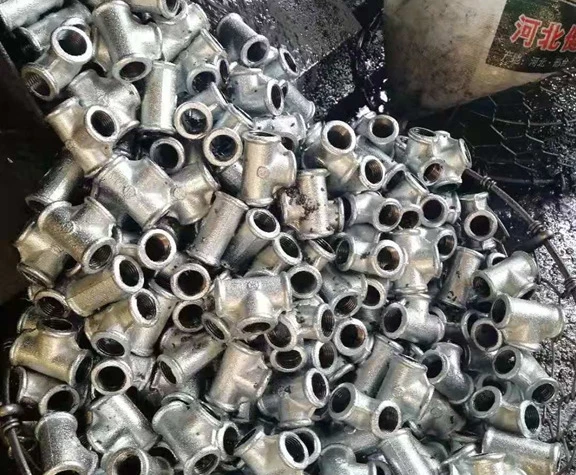
Galvanized pipe, specifically referring to steel pipe protected by a zinc coating, is a ubiquitous material in fluid transport systems across numerous industries. Its function extends to potable water distribution, fire suppression, gas lines, structural applications, and industrial piping. The ‘OD’ designation refers to the Outside Diameter of the pipe, a critical dimension for compatibility with fittings and connection methods. Galvanized pipe’s prevalence stems from its cost-effectiveness compared to alternative materials like stainless steel or plastics, coupled with its inherent corrosion resistance. This resistance, however, is not absolute and is highly dependent on the zinc coating's integrity and the operating environment. The galvanization process provides sacrificial protection, whereby the zinc corrodes preferentially to the steel substrate. Understanding the nuances of the galvanization process, material properties, and potential failure mechanisms is crucial for engineers, procurement managers, and maintenance personnel to ensure the longevity and reliability of these systems. The core performance characteristics of galvanized pipe revolve around its pressure rating, corrosion resistance, and mechanical strength, all dictated by its manufacturing process and zinc coating quality. Current industry trends involve a shift towards alternative coating technologies and stricter environmental regulations impacting zinc usage, necessitating a comprehensive understanding of galvanized pipe’s limitations and potential replacements.
Material Science & Manufacturing
The base material for galvanized pipe is typically carbon steel, specifically grades such as A53 Grade B or A106 Grade B. These steels are chosen for their weldability, formability, and relative affordability. The steel’s composition directly affects its mechanical properties, including yield strength, tensile strength, and ductility. Manufacturing begins with the production of seamless or welded steel pipe. Seamless pipe is produced by piercing a solid billet of steel, while welded pipe is formed by rolling steel plate and then welding the seam. Following pipe formation, a surface preparation process is critical for galvanization. This involves pickling with hydrochloric or sulfuric acid to remove mill scale and rust, followed by fluxing to create a chemically receptive surface for the zinc coating. The most common galvanization method is hot-dip galvanizing. In this process, the steel pipe is immersed in a bath of molten zinc (typically 98% pure) at temperatures around 450°C (842°F). The zinc metallurgically bonds with the steel, forming a series of zinc-iron alloy layers, followed by an outer layer of pure zinc. The thickness of the zinc coating is a key parameter, typically measured in weight per unit area (e.g., g/m2). Coating thickness is governed by standards (detailed later) and is influenced by factors like immersion time, zinc bath composition, and pipe surface condition. Another method is electrogalvanizing, offering more precise coating thickness control, but generally results in a thinner coating with less corrosion resistance compared to hot-dip galvanizing. Post-galvanization, pipes often undergo hydrostatic testing to verify their pressure integrity and freedom from defects.
Performance & Engineering
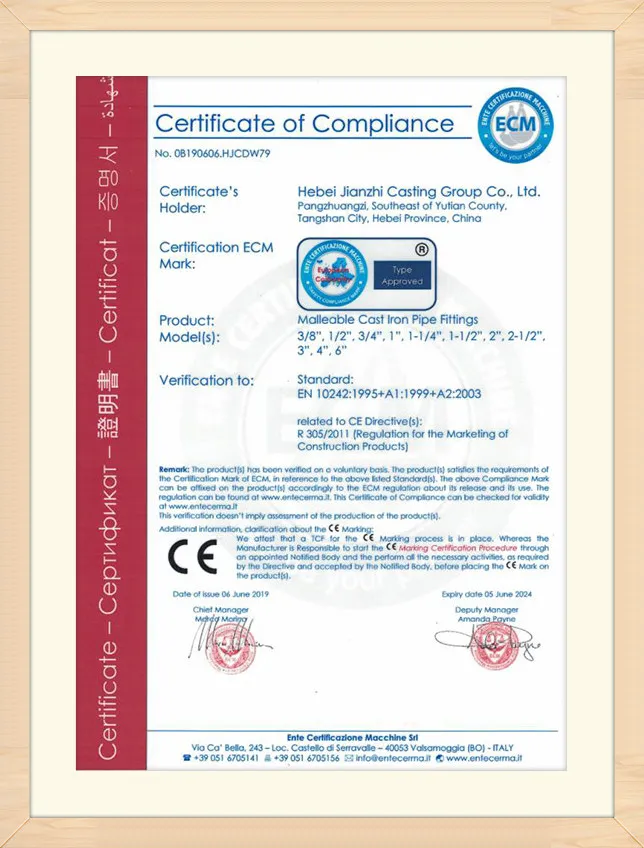
The performance of galvanized pipe is fundamentally linked to its ability to withstand internal pressure and external loads, while resisting corrosion. Stress analysis, based on thin-walled pressure vessel theory, is critical for determining the maximum allowable operating pressure (MAOP). Factors like pipe diameter, wall thickness, material yield strength, and temperature all influence MAOP calculations. External loads, such as soil loading, weight of supported equipment, and seismic forces, require consideration in structural design. Corrosion resistance is paramount. While the zinc coating provides sacrificial protection, its effectiveness is diminished in certain environments. Exposure to acidic conditions, chlorides (e.g., seawater), and sulfates can accelerate zinc corrosion. Galvanized pipe is susceptible to galvanic corrosion when in contact with dissimilar metals in the presence of an electrolyte. Therefore, proper isolation techniques are essential when connecting galvanized pipe to other metallic systems. Furthermore, the formation of ‘white rust’ (zinc hydroxide) on the pipe’s surface indicates initial corrosion, and while not immediately catastrophic, it signifies a reduction in long-term corrosion protection. Compliance with industry standards (API 5L, ASME B31.1, etc.) dictates the requirements for material selection, manufacturing processes, testing, and inspection. The operational temperature range of galvanized pipe is typically limited to -40°C to 150°C, beyond which the zinc coating can degrade or the steel’s mechanical properties can be compromised.
Technical Specifications
| Parameter | ASTM A53 Grade B | ASTM A106 Grade B | Typical Galvanized Coating Thickness (Hot-Dip) |
|---|---|---|---|
| Yield Strength (MPa) | 240 | 250 | N/A |
| Tensile Strength (MPa) | 400 | 415 | N/A |
| Wall Thickness (mm) | Schedule 40 (4.2mm), Schedule 80 (6.4mm) | Schedule 40 (4.2mm), Schedule 80 (6.4mm) | N/A |
| Outside Diameter (inches) | 1/2" to 12" | 1/2" to 30" | N/A |
| Zinc Coating Weight (g/m2) | N/A | N/A | 500-800 (depending on diameter and standard) |
| Maximum Operating Pressure (MPa) | Dependent on wall thickness & diameter | Dependent on wall thickness & diameter | N/A |
Failure Mode & Maintenance
Galvanized pipe can fail through several mechanisms. Corrosion is the most common, manifesting as localized pitting, uniform thinning, or crevice corrosion. The failure rate is significantly elevated in environments with high chloride concentrations. Another failure mode is fatigue cracking, particularly at connection points subjected to cyclic loading. This can occur due to vibration, thermal cycling, or pressure fluctuations. Hydrogen embrittlement, though less frequent, can occur when the pipe is exposed to hydrogen-containing environments at high pressures, leading to brittle fracture. Delamination of the zinc coating, often initiated by poor surface preparation or mechanical damage, reduces the sacrificial protection and accelerates corrosion of the underlying steel. Maintenance is critical to extending the lifespan of galvanized pipe systems. Regular visual inspections for signs of corrosion, such as rust, blistering, or white rust, are essential. Protective coatings (e.g., epoxy paints) can be applied to areas where the zinc coating has been damaged or is exposed to particularly harsh environments. Cathodic protection, using sacrificial anodes or impressed current systems, can be employed to mitigate corrosion in buried pipelines. Periodic hydrostatic testing can verify the integrity of the pipe and identify potential leaks. For systems carrying potable water, flushing is necessary to remove sediment and biofilm buildup, which can exacerbate corrosion. Replacing sections of pipe showing significant corrosion or damage is often the most practical solution. Proper jointing techniques, avoiding dissimilar metal contact, and ensuring adequate support are vital preventive measures.
Industry FAQ
Q: What is the impact of water pH on the lifespan of galvanized pipe in a potable water distribution system?
A: Water pH significantly affects the longevity of galvanized pipe. Acidic water (pH < 6.5) accelerates corrosion by dissolving the zinc protective layer. Alkaline water (pH > 8.5) can promote scaling, which, while providing some corrosion protection, can also reduce flow capacity. Optimally, a slightly alkaline pH (7.5-8.0) is preferred to minimize corrosion rates while avoiding excessive scaling. Regular water quality monitoring and pH adjustment are crucial for maintaining galvanized pipe system integrity.
Q: How does the presence of chlorides in the environment affect galvanized pipe’s corrosion resistance?
A: Chlorides are notoriously aggressive towards galvanized coatings. They penetrate the zinc layer, leading to localized pitting corrosion. This is particularly problematic in marine environments or areas where de-icing salts are used. The higher the chloride concentration, the faster the corrosion rate. Protective coatings or alternative corrosion-resistant materials are recommended in high-chloride environments.
Q: What is the difference between hot-dip galvanizing and electrogalvanizing, and which is preferred for industrial piping?
A: Hot-dip galvanizing involves immersing steel in molten zinc, resulting in a thicker, more durable coating with superior corrosion resistance. Electrogalvanizing uses an electrolytic process to deposit a thinner, more uniform coating. While electrogalvanizing provides better surface finish and dimensional control, hot-dip galvanizing is generally preferred for industrial piping due to its significantly higher corrosion protection capabilities.
Q: What are the limitations of using galvanized pipe for transporting natural gas?
A: While galvanized pipe was historically used for gas distribution, it's now often discouraged due to the potential for zinc corrosion products to interfere with gas flow and potentially contaminate the gas stream. Modern standards typically favor polyethylene (PE) or steel pipe with internal coatings designed specifically for gas transport. The susceptibility of galvanized pipe to corrosion in the presence of sulfur compounds commonly found in natural gas also limits its suitability.
Q: Can galvanized pipe be successfully joined using welding?
A: Welding galvanized pipe is generally not recommended. The heat from welding vaporizes the zinc, releasing toxic fumes and leaving a brittle, non-protective weld area. Furthermore, the heat alters the metallurgical structure of the steel near the weld, reducing its strength. Mechanical fittings (threaded, flanged, compression) or brazing are the preferred methods for joining galvanized pipe. If welding is unavoidable, the galvanization must be completely removed from the weld area before welding, followed by re-galvanization of the weld joint after completion.
Conclusion
Galvanized pipe remains a relevant material in numerous applications due to its cost-effectiveness and corrosion resistance. However, its performance is heavily influenced by material selection, manufacturing quality, environmental conditions, and proper maintenance. A thorough understanding of the material science behind galvanization, the potential failure modes, and the applicable industry standards is crucial for ensuring the long-term reliability of galvanized pipe systems.
Looking forward, increasing environmental regulations surrounding zinc usage and the demand for more durable and sustainable materials are driving innovation in coating technologies. Alternative coatings, such as epoxy and polyurethane, and the increasing adoption of stainless steel and engineered plastics, pose competitive challenges to galvanized pipe. Therefore, a comprehensive evaluation of lifecycle costs, environmental impact, and specific application requirements is essential when selecting the appropriate piping material for any given project.
