
Introduction
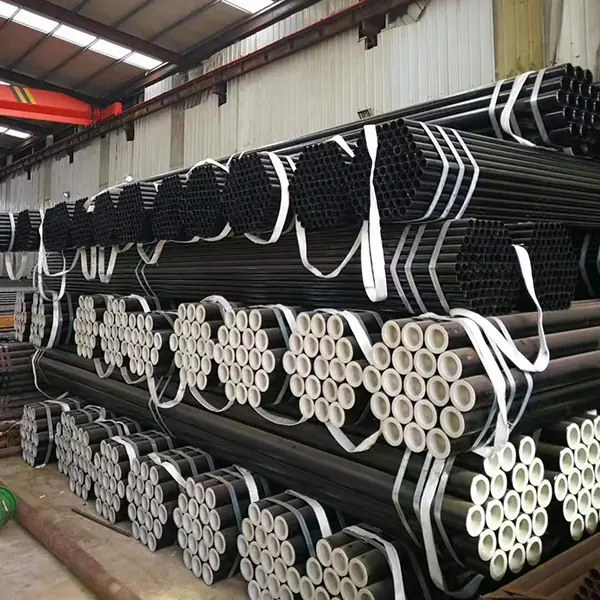
Galvanized (GI) steel pipe is a widely utilized carbon steel pipe protected by a zinc coating. Its primary function lies in fluid and gas conveyance across numerous industries, including construction, water supply, fire protection, and industrial processing. Technically positioned as a cost-effective alternative to stainless steel or specialized alloy piping, GI steel pipe balances strength, durability, and corrosion resistance. The zinc coating acts as a sacrificial anode, protecting the underlying steel from environmental degradation. Core performance characteristics revolve around its pressure rating, tensile strength, formability, and the longevity of the zinc coating, directly impacting its service life and suitability for specific applications. The industry faces ongoing challenges related to coating uniformity, hydrogen embrittlement susceptibility, and long-term corrosion performance in aggressive environments. This guide provides a detailed technical overview of GI steel pipe, encompassing material science, manufacturing processes, performance characteristics, failure modes, and relevant industry standards.
Material Science & Manufacturing
GI steel pipe begins with a carbon steel substrate, typically manufactured through electric resistance welding (ERW) or seamless processes. The steel composition is critical, generally conforming to ASTM A53 Grade B, utilizing steels with carbon content ranging from 0.08% to 0.25%, manganese between 0.31% and 0.95%, and phosphorus and sulfur maintained at low levels to enhance weldability and ductility. The zinc coating is applied through hot-dip galvanization, a process involving immersion of the steel pipe into a molten zinc bath (typically 98% pure zinc) at temperatures around 450-460°C. This creates a metallurgically bonded coating consisting of a series of zinc-iron alloy layers, followed by a pure zinc outer layer. Critical manufacturing parameters include cleaning and pre-fluxing to remove surface contaminants, maintaining consistent zinc bath temperature and composition, controlling immersion and withdrawal rates, and post-treatment processes like chromate conversion coating to enhance corrosion resistance. The coating thickness is a key quality control parameter, typically measured in grams per square meter (gsm) or microns, with industry standards specifying minimum coating weights based on pipe diameter and wall thickness. Variations in steel composition, coating thickness, and cooling rates can lead to differences in the microstructure and corrosion performance of the galvanized layer. Hydrogen embrittlement is a common concern during the pickling process (acid cleaning before galvanization), where hydrogen atoms can diffuse into the steel, potentially causing cracking, especially in high-strength steels. Post-galvanization treatments, like baking, are used to mitigate this risk by allowing hydrogen to diffuse out of the steel.
Performance & Engineering
The performance of GI steel pipe is dictated by its mechanical strength and corrosion resistance. Tensile strength, yield strength, and elongation are key mechanical properties defined by ASTM A53. These parameters influence the pipe’s ability to withstand internal pressure, external loads, and bending stresses. Force analysis during installation and operation must consider factors like hydrostatic pressure, soil loading (for buried pipelines), and thermal expansion/contraction. Corrosion resistance is primarily determined by the zinc coating, offering cathodic protection to the underlying steel. The rate of zinc corrosion depends on environmental factors such as humidity, salinity, temperature, and the presence of pollutants (e.g., sulfur dioxide). In marine environments or areas with high industrial pollution, the corrosion rate is significantly accelerated. Engineering considerations include proper pipe support spacing to prevent stress corrosion cracking, the use of appropriate jointing methods (threaded, welded, flanged) to maintain structural integrity, and the application of protective coatings (e.g., epoxy coatings) in highly corrosive environments to extend service life. Compliance requirements are stipulated by codes such as ASME B31.1 (Power Piping), ASME B31.3 (Process Piping), and local building codes, specifying minimum wall thicknesses, allowable stresses, and inspection protocols. Furthermore, the potential for galvanic corrosion must be addressed when connecting GI steel pipe to dissimilar metals; dielectric unions or isolation fittings are employed to prevent accelerated corrosion at the interface.
Technical Specifications
| Parameter | ASTM A53 Grade B (Typical) | Zinc Coating Thickness (Minimum) | Operating Temperature Range |
|---|---|---|---|
| Material | Carbon Steel (e.g., A53 Grade B) | 550 g/m² (exterior) / 400 g/m² (interior) | -40°C to +200°C (dependent on coating) |
| Yield Strength (MPa) | 250 | Varies with coating process & thickness | |
| Tensile Strength (MPa) | 400-550 | ||
| Elongation (%) | 20-30 | ||
| Outside Diameter (mm) | 1/2" to 12" (and larger) | ||
| Wall Thickness (mm) | Sch 10 to Sch 80 (and heavier) |
Failure Mode & Maintenance
GI steel pipe is susceptible to several failure modes. Uniform corrosion, where the zinc coating slowly corrodes over the entire surface, is a common issue, particularly in exposed environments. Localized corrosion, including pitting corrosion and crevice corrosion, can occur due to imperfections in the coating or the presence of chloride ions. Undercoat creep, where corrosion products accumulate between the zinc coating and the steel substrate, can lead to coating blistering and premature failure. Hydrogen embrittlement, as mentioned previously, can cause cracking, particularly in high-strength steels. Mechanical damage, such as denting, gouging, or fatigue cracking due to cyclic loading, can also compromise the pipe’s integrity. Maintenance strategies include regular visual inspection for signs of corrosion, coating damage, or leaks. Periodic cleaning to remove dirt and debris helps maintain the coating’s effectiveness. For minor corrosion spots, surface preparation and re-coating with zinc-rich paint or galvanizing compound can provide localized repair. In areas prone to severe corrosion, cathodic protection systems (e.g., sacrificial anodes) can be implemented to enhance protection. For damaged sections, repair welding by qualified personnel, followed by re-galvanization, may be necessary. Regular hydrostatic testing is crucial to verify the pipe’s pressure rating and identify potential leaks. Furthermore, proper storage of GI steel pipe is essential to prevent white rust (zinc oxide) formation, which can degrade the coating.
Industry FAQ
Q: What is the primary difference between hot-dip galvanization and electrogalvanization for GI steel pipe?
A: Hot-dip galvanization provides a thicker, more robust coating with superior corrosion resistance due to the metallurgical bonding achieved during the immersion process. Electrogalvanization produces a thinner, more uniform coating and is typically used for applications where appearance is critical, but corrosion resistance demands are lower. The hot-dip process offers a more durable and long-lasting protective layer for harsher environments.
Q: How does the sulfur content in the steel substrate affect the galvanizing process and the final coating quality?
A: High sulfur content in the steel can react with molten zinc, forming zinc sulfide inclusions that weaken the coating’s adhesion and reduce its corrosion resistance. Lower sulfur content (typically below 0.02%) is preferred for optimal galvanizing performance. Steel manufacturers often employ desulfurization processes to control sulfur levels.
Q: What are the potential consequences of using GI steel pipe in soils with low pH (acidic soils)?
A: Acidic soils accelerate the corrosion rate of the zinc coating and the underlying steel. The acidic environment promotes the dissolution of zinc, reducing its protective barrier. In such conditions, the use of corrosion-resistant coatings, such as epoxy or polyethylene, in conjunction with cathodic protection, is highly recommended.
Q: Can GI steel pipe be welded? What considerations are important during the welding process?
A: Yes, GI steel pipe can be welded, but it requires special considerations. The zinc coating must be removed from the welding zone to prevent the release of toxic zinc fumes. Welding should be performed using low-hydrogen welding processes, and the weld area should be re-galvanized after welding to restore the protective coating. Proper ventilation is also crucial during welding.
Q: What is the expected service life of GI steel pipe in a typical freshwater distribution system?
A: The expected service life of GI steel pipe in a freshwater distribution system typically ranges from 50 to 70 years, depending on water quality, soil conditions (for buried pipelines), and the thickness of the zinc coating. Regular monitoring and maintenance, including water quality control and corrosion inhibitors, can extend the service life.
Conclusion
GI steel pipe remains a prevalent material choice for fluid and gas conveyance due to its advantageous blend of cost-effectiveness, strength, and corrosion resistance. Understanding the nuances of its material science – from the steel substrate composition to the intricacies of the hot-dip galvanization process – is crucial for ensuring optimal performance and longevity. Careful consideration of environmental factors, adherence to relevant industry standards, and the implementation of proactive maintenance strategies are paramount in mitigating potential failure modes and maximizing service life.
Looking ahead, advancements in coating technologies, such as the development of enhanced zinc alloy coatings and the integration of nanotechnology for improved corrosion protection, will likely extend the capabilities of GI steel pipe. Furthermore, the increasing focus on sustainability will drive demand for more environmentally friendly galvanizing processes and the development of recyclable GI steel pipe products. Continued research and development in this field are essential to address emerging challenges and ensure the continued relevance of GI steel pipe in diverse industrial applications.
