
Introduction
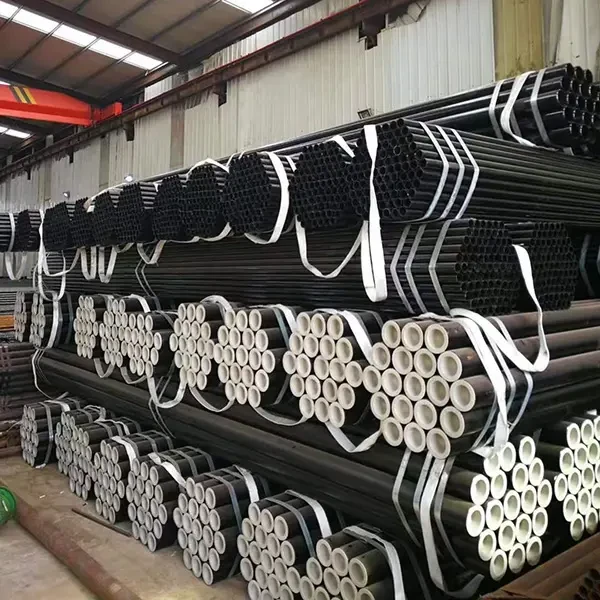
Hollow section pipe, also known as hollow structural section (HSS), represents a group of metal profiles with a closed cross-section, including square, rectangular, circular, and elliptical forms. These pipes are fundamental load-bearing elements in modern construction, infrastructure, and manufacturing. Positioned within the steel product chain following primary steel production and forming (rolling or welding), HSS offers a high strength-to-weight ratio, making it a cost-effective solution across diverse applications. Core performance characteristics center around structural integrity under axial, bending, and torsional loads, coupled with corrosion resistance dependent on material composition and surface treatment. The industry faces ongoing challenges regarding weld quality control, dimensional accuracy to facilitate assembly, and increasingly stringent requirements for sustainable material sourcing and life cycle assessment. This guide details the material science, manufacturing processes, performance characteristics, potential failure modes, and relevant standards pertaining to hollow section pipe.
Material Science & Manufacturing
Hollow section pipe is predominantly manufactured from carbon steel (ASTM A500 Grades B, C, and D being common specifications), although stainless steel (304/316 grades) and high-strength low-alloy (HSLA) steels are also utilized for specialized applications. Carbon steel compositions primarily consist of iron, with varying percentages of carbon (typically 0.05% to 0.30%), manganese, silicon, phosphorus, and sulfur. Manganese enhances strength and weldability, silicon improves strength and deoxidizes the steel, while phosphorus and sulfur are generally controlled as impurities. Stainless steels incorporate chromium (at least 10.5%) for corrosion resistance, with nickel and molybdenum often added to enhance properties further. HSLA steels achieve higher strength through microalloying additions like vanadium, niobium, and titanium, refining grain structure and increasing yield strength.
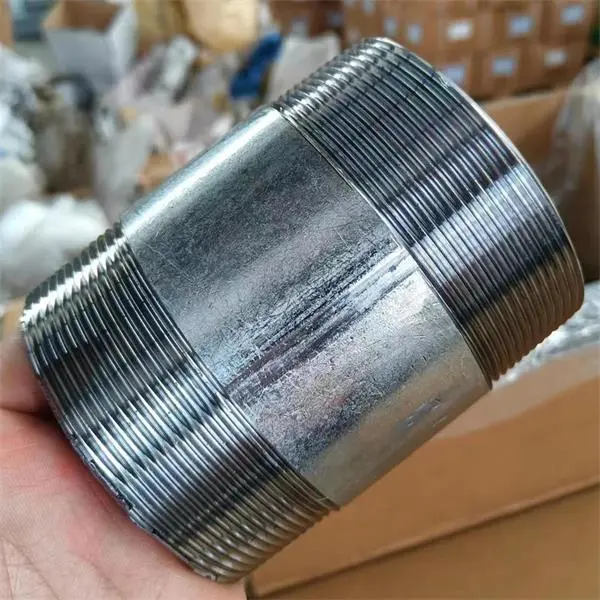
Manufacturing processes fall into two primary categories: seamless and welded. Seamless pipe is produced through rotary piercing of a solid billet, followed by mandrel finishing and sizing. This process yields a pipe with superior uniformity and strength, suitable for critical applications like high-pressure pipelines. Welded pipe, accounting for the majority of production, involves forming a steel strip into the desired shape and then welding the seam using electric resistance welding (ERW), submerged arc welding (SAW), or laser welding. ERW is common for smaller diameter pipes, SAW for larger diameters and thicker walls, and laser welding offers precise control and minimal heat-affected zone. Key parameter control during manufacturing includes maintaining precise dimensional tolerances (wall thickness, outer diameter), ensuring complete weld penetration and fusion, and performing non-destructive testing (NDT) – such as ultrasonic testing and radiographic inspection – to detect defects. Post-manufacturing processes typically involve surface treatment, including galvanizing (zinc coating for corrosion protection), painting, or powder coating.
Performance & Engineering
The performance of hollow section pipe is fundamentally governed by its section modulus (S), which represents the resistance to bending stress. A larger section modulus indicates greater bending strength. For circular HSS, the section modulus is calculated differently than for square or rectangular sections, reflecting the varying distribution of material relative to the neutral axis. Force analysis involves considering axial loads, bending moments, shear forces, and torsional loads. Buckling is a critical consideration, particularly for slender HSS subjected to compressive loads. The slenderness ratio (L/r, where L is the unsupported length and r is the radius of gyration) dictates susceptibility to buckling. Local buckling, involving deformation of the pipe wall, must also be assessed, especially for thin-walled sections. Environmental resistance encompasses corrosion protection and temperature effects. Carbon steel HSS is susceptible to corrosion in aggressive environments (e.g., marine, industrial), necessitating protective coatings or the use of corrosion-resistant alloys. Elevated temperatures can reduce the yield strength and modulus of elasticity of steel, impacting structural performance. Compliance requirements are dictated by building codes (e.g., AISC 360 in the US, Eurocode 3 in Europe) and industry-specific standards. Design engineers must verify that the selected HSS meets all applicable load requirements, safety factors, and material specifications.
Technical Specifications
| Parameter | Carbon Steel (A500 Grade B) | Stainless Steel (304) | HSLA Steel (A572 Grade 50) | Welding Method |
|---|---|---|---|---|
| Yield Strength (MPa) | 250 | 205 | 345 | ERW, SAW, Laser |
| Tensile Strength (MPa) | 345 | 517 | 450 | ERW, SAW, Laser |
| Wall Thickness (mm) | 2-12 | 2-6 | 2-10 | Dependent on Diameter |
| Outer Diameter (mm) | 13.7 – 660.4 | 12.7 – 304.8 | 13.7 – 660.4 | Dependent on Wall Thickness |
| Corrosion Resistance | Low (Requires Coating) | High | Moderate (Improved over Carbon Steel) | Surface Treatment Critical |
| Typical Applications | General Construction, Fencing | Chemical Processing, Food Industry | Bridges, Heavy Machinery | Structural Support |
Failure Mode & Maintenance
Hollow section pipe can fail through several mechanisms. Corrosion is a prevalent failure mode, particularly in carbon steel, leading to section loss and reduced load-bearing capacity. Fatigue cracking can occur under cyclic loading, initiating at weld defects or stress concentrations. Buckling, as previously mentioned, is a concern under compressive loads. Denting and deformation can result from impact damage during handling or operation. Weld defects, such as incomplete penetration or porosity, compromise the structural integrity of welded HSS. Oxidation at high temperatures can degrade the material properties. Maintenance strategies include regular visual inspection for signs of corrosion, cracking, or deformation. Protective coatings should be inspected and repaired as needed. Welds should be periodically inspected using NDT methods. In corrosive environments, cathodic protection or the application of corrosion inhibitors can extend the service life. For critical applications, scheduled replacement based on predicted service life and usage conditions is essential. Proper handling and storage practices are crucial to prevent damage during transportation and installation. Routine cleaning to remove debris and contaminants can also help mitigate corrosion.
Industry FAQ
Q: What is the primary difference between ERW and SAW welded HSS in terms of application suitability?
A: ERW (Electric Resistance Welding) is typically used for smaller diameter and thinner-walled HSS, suitable for lighter structural applications like fencing or general construction. SAW (Submerged Arc Welding) is preferred for larger diameters and thicker walls, providing higher weld strength and deposition rates, making it ideal for heavy-duty applications like bridges or large-scale building structures.
Q: How does the choice of steel grade impact the long-term cost-effectiveness of HSS?
A: While carbon steel is the most economical upfront, its susceptibility to corrosion necessitates ongoing maintenance and potential replacement, increasing life cycle costs. Stainless steel offers superior corrosion resistance but has a higher initial cost. HSLA steel provides a balance, offering improved strength and corrosion resistance compared to carbon steel at a moderate price point. A life cycle cost analysis considering maintenance, repair, and replacement is crucial for optimal steel grade selection.
Q: What non-destructive testing (NDT) methods are commonly used to ensure the quality of HSS welds?
A: Ultrasonic testing (UT) is widely used to detect internal weld defects like porosity and lack of fusion. Radiographic inspection (RT), using X-rays or gamma rays, provides a visual representation of the weld's internal structure. Magnetic particle inspection (MT) detects surface and near-surface defects. Liquid penetrant inspection (PT) is also used for surface flaw detection, especially on non-magnetic materials.
Q: What factors influence the buckling resistance of a hollow section pipe?
A: The buckling resistance is primarily influenced by the pipe's length (L), radius of gyration (r), and material's yield strength. A shorter length and a larger radius of gyration increase buckling resistance. Additionally, end support conditions (pinned, fixed) significantly affect the effective length and buckling load. The wall thickness also plays a role, with thicker walls providing greater resistance to local buckling.
Q: What considerations are important when specifying surface coatings for HSS used in marine environments?
A: In marine environments, galvanizing (hot-dip galvanizing is preferred) provides a sacrificial layer of zinc that corrodes preferentially to the steel. Epoxy coatings offer a robust barrier against saltwater intrusion but require careful surface preparation. Duplex systems, combining galvanizing with an epoxy topcoat, provide synergistic protection. Coating thickness, application quality, and regular inspection are crucial for long-term performance.
Conclusion
Hollow section pipe represents a versatile and essential structural element, offering a favorable strength-to-weight ratio and adaptability to a wide range of applications. The selection of appropriate material grade, manufacturing process, and surface treatment is critical for ensuring long-term performance and minimizing life cycle costs. Understanding the potential failure modes and implementing proactive maintenance strategies are paramount for maintaining structural integrity and preventing catastrophic failures.
Future trends in HSS technology focus on developing high-performance alloys with enhanced corrosion resistance and strength, optimizing manufacturing processes for increased efficiency and reduced environmental impact, and leveraging advanced modeling techniques for more accurate structural analysis and design. Furthermore, the increasing emphasis on sustainability will drive the adoption of recycled steel and innovative coating technologies.
