

Introduction
Industrial steel pipe constitutes a foundational element in numerous critical infrastructure applications, spanning oil and gas transmission, water conveyance, structural engineering, and various manufacturing processes. Positioned as a semi-finished good within the broader steel industry chain, its performance characteristics directly impact the safety, efficiency, and longevity of the systems in which it is integrated. Core performance metrics center around pressure containment capability, corrosion resistance, mechanical strength (yield and tensile strength), weldability, and dimensional accuracy, all governed by stringent international standards. The selection of appropriate steel pipe grade and manufacturing process is paramount, dictating the suitability for specific operating conditions and load requirements. This guide provides a comprehensive technical overview of industrial steel pipe, encompassing material science, manufacturing processes, performance engineering, failure analysis, and relevant industry standards.
Material Science & Manufacturing
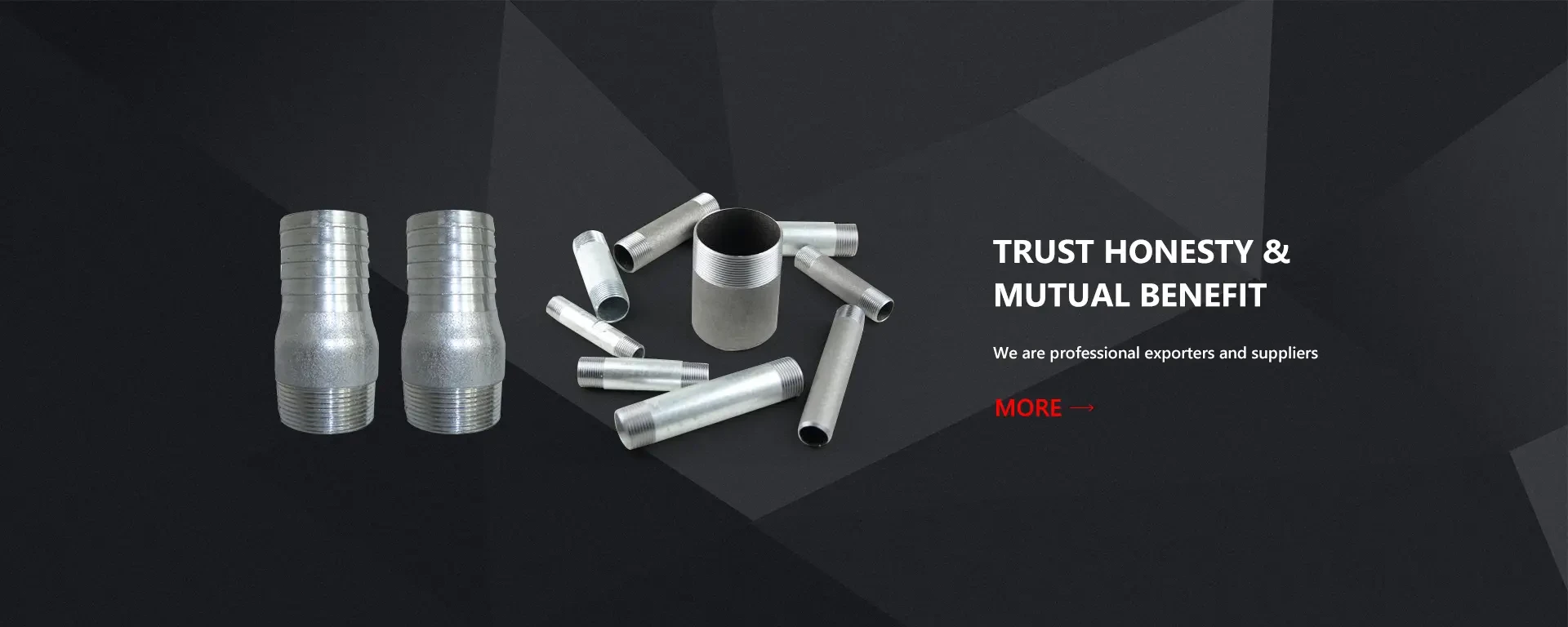
The primary raw material for industrial steel pipe is carbon steel, though alloy steels incorporating elements like chromium, molybdenum, nickel, and manganese are frequently employed to enhance specific properties. Carbon content significantly influences weldability and strength; higher carbon content generally increases strength but reduces ductility and weldability. Manufacturing processes include seamless pipe production (drawing, extrusion, piercing) and welded pipe production (Electric Resistance Welding - ERW, Submerged Arc Welding - SAW). Seamless pipes, produced without a weld seam, offer superior pressure containment capabilities and are preferred for critical applications. Welded pipes, generally more cost-effective, are suitable for lower-pressure applications. Key parameters in manufacturing include controlled cooling rates to manage microstructure (pearlite, martensite, bainite), heat treatment to optimize mechanical properties, and precise dimensional control achieved through calibrating rolls and mandrels. Surface finishing processes, such as pickling and oiling, are crucial for corrosion protection and subsequent coating adhesion. Chemical composition control, monitored via techniques like Optical Emission Spectroscopy (OES), is vital to ensure adherence to specified alloy requirements. The presence of inclusions (sulfides, oxides) can act as stress concentrators, reducing fatigue life and weld soundness. Hydrogen Embrittlement is a concern during welding, necessitating careful control of welding parameters and post-weld heat treatment.
Performance & Engineering
Performance assessment of industrial steel pipe necessitates a thorough understanding of mechanical stress analysis, environmental degradation mechanisms, and compliance with applicable codes and standards. Force analysis, utilizing Finite Element Analysis (FEA), is critical for determining stress distribution under internal pressure, external loads, and thermal stresses. Buckling analysis is essential for long, slender pipes subjected to compressive loads. Corrosion resistance is a paramount concern, particularly in harsh environments. Corrosion mechanisms include uniform corrosion, pitting corrosion, crevice corrosion, and stress corrosion cracking (SCC). Cathodic protection and protective coatings (epoxy, polyurethane, polyethylene) are commonly employed to mitigate corrosion. Environmental resistance also encompasses resistance to erosion, abrasion, and extreme temperatures. Compliance requirements vary depending on the application and geographic location. API 5L, ASTM A106, and EN 10208 are key standards governing material properties, manufacturing processes, and inspection procedures. Fatigue life assessment, based on S-N curves and fracture mechanics principles, is crucial for applications involving cyclic loading. Weld joint design must account for stress concentration factors and ensure adequate penetration and fusion.
Technical Specifications
| Parameter | ASTM A53 Grade B | API 5L X42 | EN 10208-2 S235JR | ASTM A335 P11 |
|---|---|---|---|---|
| Yield Strength (MPa) | 250 | 345 | 235 | 205 |
| Tensile Strength (MPa) | 400 | 485 | 360 | 415 |
| Elongation (%) | 22 | 20 | 21 | 20 |
| Charpy V-Notch Impact Energy (J @ -20°C) | 27 | 27 | 27 | 27 |
| Carbon Equivalent (%) | 0.31 | 0.32 | 0.22 | 0.24 |
| Maximum Wall Thickness (mm) | 12.7 | 25.4 | 20 | 19.1 |
Failure Mode & Maintenance
Industrial steel pipe is susceptible to several failure modes, including corrosion-induced cracking, fatigue cracking, stress corrosion cracking, erosion-corrosion, and ductile fracture. Corrosion, as previously discussed, weakens the pipe wall, reducing its pressure containment capability. Fatigue cracking initiates from stress concentrators (weld defects, corrosion pits, dents) and propagates under cyclic loading. Stress corrosion cracking occurs due to the combined action of tensile stress and a corrosive environment. Erosion-corrosion results from the combined action of fluid flow and corrosion. Ductile fracture occurs when the applied stress exceeds the material’s ultimate tensile strength. Regular inspection programs utilizing Non-Destructive Testing (NDT) methods – including ultrasonic testing (UT), radiographic testing (RT), magnetic particle inspection (MPI), and liquid penetrant inspection (LPI) – are crucial for detecting defects before they lead to catastrophic failure. Maintenance procedures include periodic cleaning to remove debris and corrosion products, application of protective coatings, cathodic protection, and repair of minor defects through welding or patching. Regular hydrostatic testing verifies the pipe’s pressure containment capability. Proper storage and handling practices are essential to prevent damage during transportation and installation. Preventive maintenance based on risk assessment and operational experience is paramount for ensuring long-term reliability.
Industry FAQ
Q: What is the primary difference between seamless and welded steel pipe concerning pressure ratings?
A: Seamless pipe generally exhibits higher pressure ratings due to the absence of a weld seam, eliminating a potential point of failure. The weld seam in welded pipe, even with rigorous quality control, introduces a localized area of metallurgical discontinuity that can be susceptible to cracking or leakage under high stress. Therefore, for critical applications involving high pressures or hazardous fluids, seamless pipe is typically preferred.
Q: How does the carbon equivalent (CE) value impact the weldability of steel pipe?
A: A higher carbon equivalent value indicates a greater concentration of alloying elements that promote the formation of hard, brittle microstructures during welding. This increases the risk of weld cracking, particularly in the heat-affected zone (HAZ). Lower CE values generally correspond to better weldability and require less stringent preheating and post-weld heat treatment procedures.
Q: What is the significance of Charpy V-Notch impact testing, and how are the results interpreted?
A: Charpy V-Notch impact testing measures the energy absorbed by a notched specimen when subjected to a single impact blow. This assesses the material's toughness and resistance to brittle fracture, particularly at low temperatures. Higher impact energy values indicate greater toughness. The test is conducted at various temperatures to determine the ductile-to-brittle transition temperature (DBTT), which is a critical parameter for selecting materials for low-temperature applications.
Q: What are the common corrosion mitigation strategies employed for industrial steel pipe?
A: Common corrosion mitigation strategies include applying protective coatings (epoxy, polyurethane, polyethylene), utilizing cathodic protection (sacrificial anodes or impressed current systems), selecting corrosion-resistant alloy steels, and implementing corrosion inhibitors in the fluid being conveyed. Regular inspection and maintenance are also crucial for detecting and addressing corrosion before it leads to significant damage.
Q: How does the choice of welding process affect the mechanical properties and corrosion resistance of welded steel pipe?
A: The welding process significantly impacts the microstructure and residual stresses in the weld zone and HAZ. Submerged Arc Welding (SAW) generally produces welds with good mechanical properties and corrosion resistance due to its high heat input and controlled cooling rate. Electric Resistance Welding (ERW) is more susceptible to defects and may require more rigorous quality control. Proper selection of welding parameters (current, voltage, travel speed, shielding gas) is critical for achieving sound welds with optimal properties.
Conclusion
Industrial steel pipe represents a vital component in numerous industrial applications, demanding a thorough understanding of material science, manufacturing processes, performance engineering, and potential failure modes. The selection of the appropriate steel grade, manufacturing method, and protective measures is crucial for ensuring the long-term reliability, safety, and cost-effectiveness of the system in which it is deployed. Continuous monitoring, regular inspection, and proactive maintenance are essential for mitigating corrosion, preventing fatigue cracking, and extending the service life of steel pipe infrastructure.
Future advancements in steel pipe technology will likely focus on developing new high-strength, corrosion-resistant alloys, improving welding techniques, and implementing advanced inspection methods based on artificial intelligence and machine learning. Furthermore, the increasing emphasis on sustainability will drive the development of more environmentally friendly manufacturing processes and the utilization of recycled materials. A holistic approach to steel pipe management, encompassing design, manufacturing, operation, and maintenance, is key to maximizing its value and minimizing its environmental impact.
