
Introduction
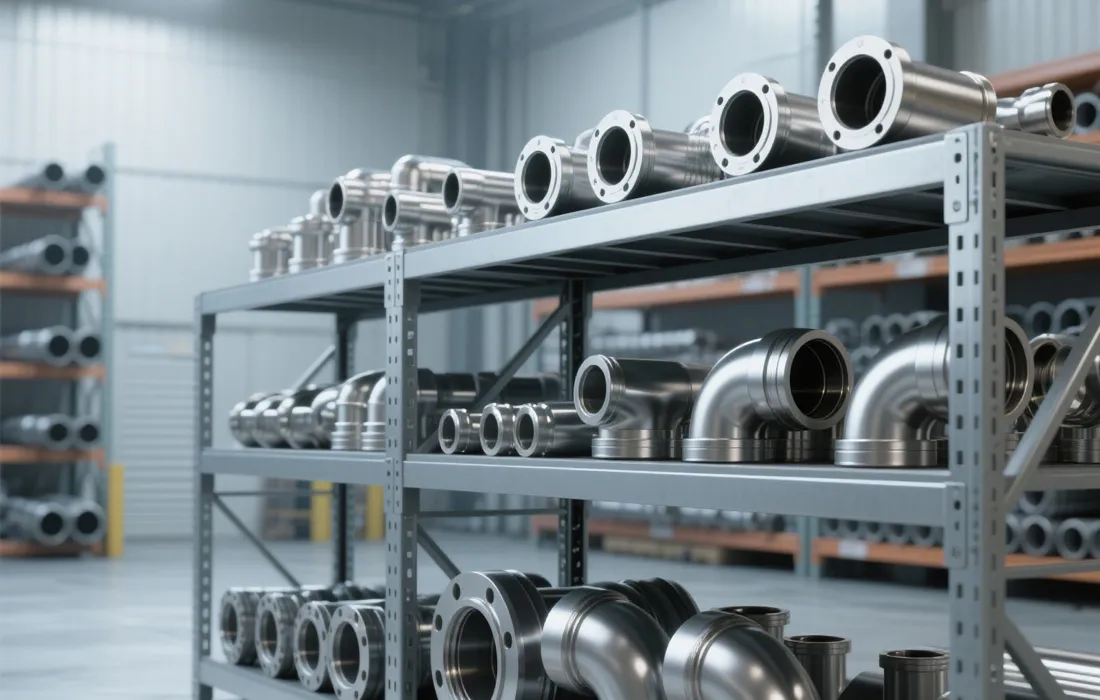
Large diameter steel pipe, typically defined as having an outer diameter exceeding 24 inches (610mm), represents a critical component in numerous industrial applications, including oil and gas transmission, water conveyance, and structural engineering. Positioned within the steel industry’s value chain between primary steel production and fabrication/construction, these pipes demand stringent manufacturing controls and materials selection to ensure long-term integrity and operational safety. Core performance characteristics center around pressure containment capability, resistance to external loads, and longevity in corrosive environments. The industry faces increasing demands for higher strength-to-weight ratios, improved corrosion resistance, and cost-effective manufacturing processes, driving advancements in steel alloy development and fabrication techniques. Failure in large diameter steel pipe systems can result in significant environmental impact, economic loss, and potential hazards to public safety, necessitating rigorous quality assurance and inspection protocols.
Material Science & Manufacturing
The predominant material for large steel pipe is carbon steel, although alloy steels (low-alloy, high-strength low-alloy - HSLA) and stainless steels are utilized for applications demanding enhanced corrosion resistance or mechanical properties. Carbon steel grades, such as API 5L X42, X52, X60, X65, and X70, are commonly specified, with the ‘X’ number representing the minimum yield strength in ksi (thousands of pounds per square inch). Alloy steel additions (e.g., chromium, molybdenum, nickel, vanadium) refine the grain structure, improve toughness, and enhance weldability. Stainless steels (304, 316, duplex stainless steels) offer superior corrosion resistance, particularly in chloride-rich environments. Manufacturing processes include submerged arc welding (SAW), electric resistance welding (ERW), and seamless processes (hot rolling/piercing). SAW is favored for thick-walled, large-diameter pipes due to its high deposition rate and deep penetration. ERW is cost-effective for smaller diameters and thinner walls. Seamless pipes, while more expensive, offer uniform mechanical properties and are preferred for critical high-pressure applications. Critical parameters during manufacturing include welding current, voltage, travel speed (SAW), frequency (ERW), rolling temperature and reduction ratio (seamless). Precise control of these parameters directly impacts the microstructure, residual stress distribution, and overall structural integrity of the pipe. Post-weld heat treatment (PWHT) is often employed to relieve residual stresses and improve ductility.
Performance & Engineering
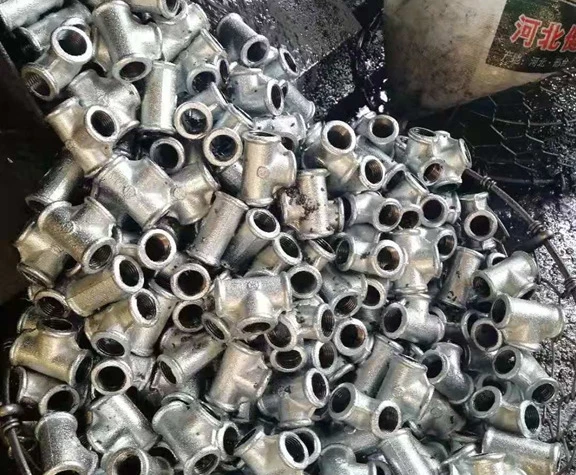
The performance of large diameter steel pipe is heavily influenced by hydrostatic pressure, external loads (soil loading, bending moments), and environmental factors. Hydrostatic testing, conducted to 1.25-1.5 times the design pressure, verifies the pressure containment capability and detects defects. External load analysis, employing finite element analysis (FEA), is crucial to assess the pipe’s resistance to buckling, bending, and collapse. Buckling is a primary failure mode, particularly for buried pipelines subjected to soil loading. Engineering considerations extend to corrosion mitigation strategies, including internal coatings (epoxy, polyethylene), external coatings (fusion-bonded epoxy - FBE, polypropylene), and cathodic protection. Compliance with industry standards, such as API 5L, ASME B31.8 (gas transmission), and ASME B31.4 (liquid transportation), is paramount. These standards dictate material specifications, design criteria, manufacturing procedures, and inspection requirements. Fatigue analysis is also critical, especially in applications involving cyclic loading, such as offshore pipelines subject to wave action. Stress corrosion cracking (SCC), a phenomenon where tensile stress and a corrosive environment combine to initiate cracks, is a significant concern, particularly in the presence of hydrogen sulfide (H2S) or chloride ions.
Technical Specifications
| Parameter | API 5L X65 | ASTM A333 Grade 6 | ASTM A312 Grade 316L | Unit |
|---|---|---|---|---|
| Minimum Yield Strength | 65 | 350 | 85 | ksi |
| Minimum Tensile Strength | 80 | 580 | 100 | ksi |
| Elongation (2 inch gauge length) | 18 | 20 | 35 | % |
| Charpy V-Notch Impact Energy (at -20°F) | 40 | 45 | 40 | ft-lbs |
| Maximum Carbon Equivalent (CE) | 0.31 | 0.35 | 0.03 | - |
| Corrosion Rate (in 3% NaCl) | 0.05 | 0.02 | 0.01 | mils/year |
Failure Mode & Maintenance
Common failure modes in large diameter steel pipe include corrosion (uniform, pitting, galvanic, erosion), cracking (fatigue, stress corrosion cracking, hydrogen embrittlement), buckling, and weld defects. Corrosion is often the initiating factor, weakening the pipe wall and accelerating other failure mechanisms. Fatigue cracking occurs due to repeated stress cycles, particularly at weld joints or areas of stress concentration. Stress corrosion cracking (SCC) is exacerbated by tensile stress and specific corrosive environments. Buckling can result from excessive external loads or soil movement. Weld defects (porosity, inclusions, lack of fusion) compromise the structural integrity of the pipe. Maintenance strategies include regular inspections (visual, ultrasonic testing, radiographic testing, inline inspection – ILI), coating repair, cathodic protection monitoring, and corrosion inhibitor programs. ILI utilizes ‘smart pigs’ equipped with sensors to detect corrosion, cracks, and other anomalies. Preventive maintenance, such as periodic cleaning and coating refurbishment, is crucial to extend the service life of the pipeline. Repair techniques include weld repairs, composite wraps, and sleeve installations, depending on the nature and extent of the damage. Proper record-keeping and data analysis are essential for effective pipeline integrity management.
Industry FAQ
Q: What are the primary differences between API 5L X65 and X70 steel pipe in terms of performance?
A: X70 steel offers a higher minimum yield strength (70 ksi vs. 65 ksi) and tensile strength compared to X65, allowing for thinner pipe walls for the same design pressure or increased pressure capacity for the same wall thickness. However, X70 generally exhibits slightly lower ductility and weldability, requiring more stringent welding procedures and potentially PWHT to avoid cracking.
Q: How does the carbon equivalent (CE) impact the weldability of steel pipe?
A: Higher carbon equivalent values generally indicate lower weldability. Increased CE promotes the formation of hard and brittle microstructures in the heat-affected zone (HAZ) during welding, increasing the risk of cracking. Lower CE values are preferred for improved weldability and reduced susceptibility to HAZ cracking.
Q: What are the advantages of using duplex stainless steel for large diameter pipe in seawater applications?
A: Duplex stainless steels (e.g., 2205) exhibit superior pitting and crevice corrosion resistance compared to austenitic stainless steels (e.g., 316L) in chloride-rich environments like seawater. They also possess higher strength and lower thermal expansion coefficients, making them ideal for offshore pipelines and marine structures.
Q: What is the role of inline inspection (ILI) in pipeline integrity management?
A: ILI, using ‘smart pigs,’ provides a comprehensive assessment of pipeline condition without requiring excavation. ILI tools detect corrosion, cracks, dents, and other anomalies, allowing operators to prioritize maintenance and repairs based on risk assessment. ILI data is crucial for preventing failures and ensuring pipeline safety.
Q: What preventative measures can be taken to mitigate stress corrosion cracking (SCC)?
A: Mitigating SCC requires a multifaceted approach. This includes controlling the corrosive environment (e.g., removing H2S, adjusting pH), reducing tensile stress (e.g., stress relieving, optimized design), utilizing materials with improved SCC resistance (e.g., low-alloy steels with controlled composition), and applying protective coatings.
Conclusion
Large diameter steel pipe remains a foundational element of critical infrastructure across numerous industries. The selection and application of appropriate materials, coupled with rigorous manufacturing controls and robust engineering analysis, are paramount to ensuring long-term structural integrity and operational safety. Advancements in steel alloy development, welding technologies, and inspection techniques continue to drive improvements in pipeline performance and longevity.
Effective pipeline integrity management requires a holistic approach encompassing preventative maintenance, regular inspections, data analysis, and adherence to stringent industry standards. Addressing the challenges posed by corrosion, cracking, and external loads is essential for minimizing risks and maximizing the service life of these vital assets.
