
Introduction
Metal pipe fence, a ubiquitous boundary and security solution, represents a significant segment within the broader industrial fencing market. Positioned within the infrastructure supply chain, it serves as a critical component in residential, commercial, industrial, and agricultural applications. The system fundamentally comprises interconnected metal pipes, often steel or aluminum, forming a barrier intended for delineation, security, or livestock containment. Core performance characteristics center around structural integrity – resistance to bending, shear, and tensile forces – coupled with durability against environmental factors such as corrosion and impact. The industry faces continual pressure to balance cost-effectiveness with increased longevity, aesthetic appeal, and adherence to increasingly stringent safety and environmental regulations. Furthermore, advancements in protective coatings and manufacturing techniques are continuously reshaping the performance capabilities and lifecycle cost of metal pipe fence systems.
Material Science & Manufacturing
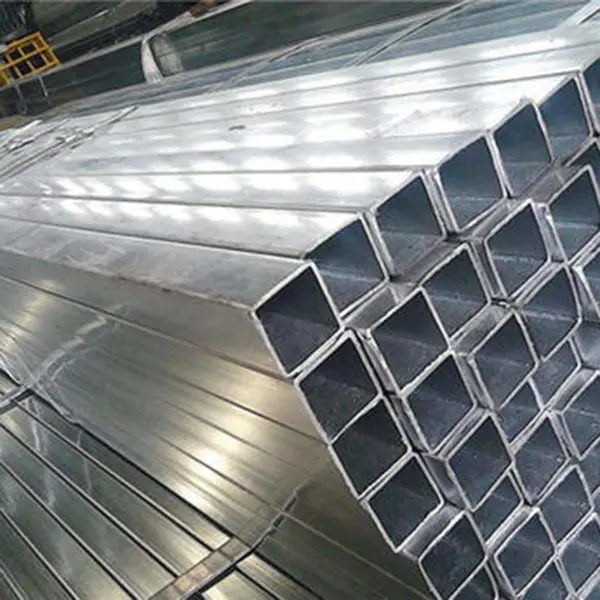
The primary raw material for metal pipe fence is typically carbon steel (AISI 1018, 1020) due to its high strength-to-cost ratio, although galvanized steel (ASTM A153) and aluminum alloys (6061, 5052) are also common, selected for their respective corrosion resistance properties. Steel pipes undergo a manufacturing process initiated by hot-rolled or cold-drawn steel billets. Hot rolling yields larger diameter pipes with a coarser grain structure, suited for heavier-duty applications. Cold drawing refines the surface finish and dimensional accuracy but is limited to smaller diameters. Aluminum pipes are predominantly manufactured through extrusion. Subsequent processes include welding (SMAW, MIG, or SAW) to connect pipe sections and posts. Welding parameter control – amperage, voltage, travel speed, and shielding gas composition – is paramount to ensuring weld integrity and preventing porosity or cracking. Post-welding, the fence undergoes surface treatment, commonly galvanization (hot-dip or electro-galvanizing per ASTM A123) or powder coating (per ASTM D3468) to enhance corrosion resistance. The adhesion of these coatings is critically dependent on proper surface preparation, including abrasive blasting to achieve a suitable surface profile (typically SSPC-SP6). Quality control throughout the manufacturing process includes dimensional inspections, non-destructive testing (NDT) of welds via visual inspection, ultrasonic testing (UT), or radiographic testing (RT), and coating thickness measurements using magnetic or eddy current gauges. Furthermore, material certifications, verifying compliance with relevant ASTM standards, are essential for traceability and quality assurance.

Performance & Engineering
The performance of a metal pipe fence is fundamentally governed by structural mechanics principles. Force analysis, often utilizing Finite Element Analysis (FEA), is crucial for determining the load-bearing capacity of the fence system under various conditions – wind loads (ASCE 7), impact loads (ASTM E1886), and potential seismic activity. The design must account for bending moments, shear stresses, and tensile forces within the pipe sections and supporting posts. Environmental resistance is a significant concern. Galvanized steel provides sacrificial protection, but its effectiveness diminishes over time due to the gradual consumption of the zinc coating. Aluminum exhibits inherent corrosion resistance but can suffer from galvanic corrosion when in contact with dissimilar metals. Powder coating provides a durable barrier against corrosion, UV degradation, and abrasion. Compliance requirements vary by jurisdiction, but commonly include building codes relating to fence height, setback distances, and pedestrian safety (e.g., preventing climbability). The engineering design must also address gate functionality, ensuring smooth operation and secure latching mechanisms. Furthermore, the foundation design—concrete footings, driven posts, or alternative anchoring systems—must be adequate to resist uplift and lateral loads, considering soil bearing capacity and frost heave potential. A critical aspect is ensuring the system can withstand repeated loading and unloading cycles without fatigue failure.
Technical Specifications
| Parameter | Steel (AISI 1018, Galvanized) | Aluminum (6061-T6) | Unit |
|---|---|---|---|
| Yield Strength | 250 MPa | 276 MPa | MPa |
| Tensile Strength | 440 MPa | 310 MPa | MPa |
| Corrosion Resistance (Salt Spray Test) | >500 hours | >800 hours | hours |
| Outer Diameter | 1.9 - 2.4 inches | 1.5 - 2.0 inches | inches |
| Wall Thickness | 0.065 - 0.120 inches | 0.050 - 0.100 inches | inches |
| Powder Coating Thickness | 2.0 - 3.0 mils | 2.0 - 3.0 mils | mils |
Failure Mode & Maintenance
Metal pipe fence systems are susceptible to several failure modes. Corrosion, particularly in steel, is a primary concern, leading to section thinning and eventual structural failure. Fatigue cracking can occur at weld points or areas of high stress concentration due to repeated loading from wind or impact. Galvanic corrosion can arise when dissimilar metals are in contact, accelerating corrosion of the less noble metal. Impact damage, from vehicles or accidental collisions, can cause localized deformation or fracture. Delamination of powder coatings can compromise corrosion protection. Maintenance practices are crucial for extending the lifespan of the fence. Regular inspections should identify signs of corrosion, damage, or coating failure. Prompt repair of damaged sections, including welding repairs and re-galvanizing or re-coating, is essential. Periodic cleaning to remove dirt, debris, and corrosive contaminants can help maintain coating integrity. For steel fences in harsh environments, application of a corrosion inhibitor can provide additional protection. Lubrication of gate hinges and latches ensures smooth operation and prevents wear. Finally, periodic tightening of fasteners and inspection of post foundations are critical for maintaining overall structural stability. Preventative maintenance schedules should be established based on environmental conditions and usage frequency.
Industry FAQ
Q: What is the expected lifespan of a galvanized steel pipe fence in a coastal environment?
A: In a highly corrosive coastal environment, a galvanized steel pipe fence can be expected to have a lifespan of 15-20 years with regular maintenance. The rate of zinc consumption is significantly higher in saline environments. Routine inspections and re-coating or localized repairs are essential to extend the lifespan. Using a duplex coating system (galvanizing plus powder coating) significantly improves longevity.
Q: How does the gauge (wall thickness) of the pipe affect the fence's ability to withstand impact?
A: The gauge of the pipe is directly proportional to its impact resistance. Thicker-walled pipes have greater cross-sectional area and therefore can absorb more energy before deformation or fracture. Heavier gauge pipes are recommended for high-traffic areas or applications where impact is a significant risk.
Q: What are the key considerations when selecting between steel and aluminum for a metal pipe fence?
A: Steel offers higher strength and lower cost, making it suitable for applications prioritizing structural integrity and budget constraints. Aluminum provides superior corrosion resistance, making it ideal for coastal environments or areas exposed to harsh chemicals. However, aluminum is typically more expensive and has a lower yield strength than steel.
Q: What types of weld inspections are typically performed on fabricated metal pipe fence sections?
A: Common weld inspections include visual inspection (VT) to identify surface defects, ultrasonic testing (UT) to detect internal flaws, and radiographic testing (RT) for critical weld joints. Liquid penetrant testing (PT) may also be used to detect surface cracks. The level of inspection depends on the application and relevant industry standards.
Q: What is the recommended post spacing for a 6-foot-tall steel pipe fence designed to withstand moderate wind loads?
A: A typical post spacing for a 6-foot-tall steel pipe fence in areas with moderate wind loads (as per ASCE 7) is 8-10 feet. This spacing assumes adequately sized posts and secure foundation anchoring. An engineering analysis considering local wind conditions and soil properties is recommended to confirm the optimal post spacing.
Conclusion
Metal pipe fence remains a foundational component of security and delineation infrastructure. Its performance is intrinsically linked to material selection, meticulous manufacturing processes, and diligent maintenance practices. Understanding the interplay between material science, structural engineering, and environmental factors is paramount for ensuring the longevity and effectiveness of these systems. Selecting the appropriate materials – steel, aluminum, or alloys – based on the specific application and environmental conditions is critical. Furthermore, adherence to relevant industry standards for manufacturing, welding, and coating application is non-negotiable.
Future trends in metal pipe fence technology will likely focus on enhanced corrosion resistance through advanced coating systems, lighter-weight materials for easier installation, and integrated smart features such as sensors for intrusion detection. Continued development of non-destructive testing methods will also play a role in improving quality control and ensuring the long-term integrity of these vital infrastructure components. Prioritizing lifecycle cost analysis and sustainable material sourcing will become increasingly important considerations in the industry moving forward.
