
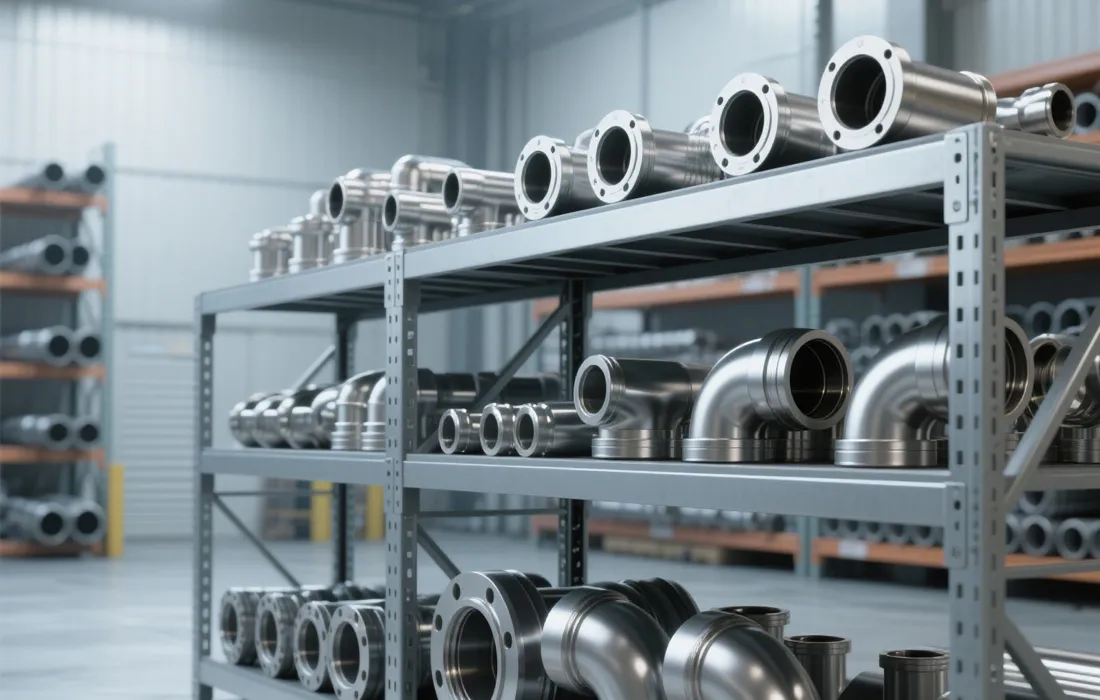
Introduction
Mild steel round pipe is a fundamental structural component widely utilized across numerous industries, including construction, oil and gas, water conveyance, and manufacturing. It is defined as a carbon steel with a low carbon content (typically 0.05% to 0.25% by weight) offering a balance of strength, ductility, and weldability. This makes it a cost-effective solution for applications requiring moderate strength and formability. Within the industry chain, mild steel pipe represents a semi-finished product, often subjected to further fabrication processes such as bending, welding, threading, and coating. Core performance characteristics include its tensile strength, yield strength, impact toughness, and corrosion resistance – properties which are critically important for ensuring structural integrity and long-term service life. A key pain point for industry professionals is maintaining consistent material quality and addressing localized corrosion issues that can lead to premature failure. Understanding the nuances of its manufacturing, material composition, and potential failure modes is crucial for optimal application and longevity.
Material Science & Manufacturing
Mild steel’s primary constituent is iron, alloyed with carbon and trace amounts of other elements such as manganese, silicon, and phosphorus. The carbon content dictates the steel’s hardness and strength; higher carbon content generally results in increased hardness but reduced ductility. The manganese content improves hardenability and resistance to wear. Silicon acts as a deoxidizer during the steelmaking process. Raw materials typically include iron ore, coal, and limestone. Manufacturing processes predominantly revolve around the seamless and welded pipe production routes. Seamless pipe is manufactured through processes like mandrel rolling or extrusion, resulting in a homogenous structure with no weld seam. Welded pipe is created by forming steel plates into cylindrical shapes and then welding the seam using processes like Electric Resistance Welding (ERW), Submerged Arc Welding (SAW), or Laser Beam Welding (LBW). Key parameter control during manufacturing involves maintaining precise chemical composition, consistent wall thickness, and proper heat treatment to achieve desired mechanical properties. For ERW pipes, controlling the welding current, speed, and cooling rate are critical to avoid defects like incomplete fusion and cracks. For SAW pipes, flux composition and welding parameters are vital. Post-weld heat treatment (PWHT) is frequently employed to relieve residual stresses and improve toughness. Surface finishing, including pickling and oiling, protects against corrosion during storage and transport.
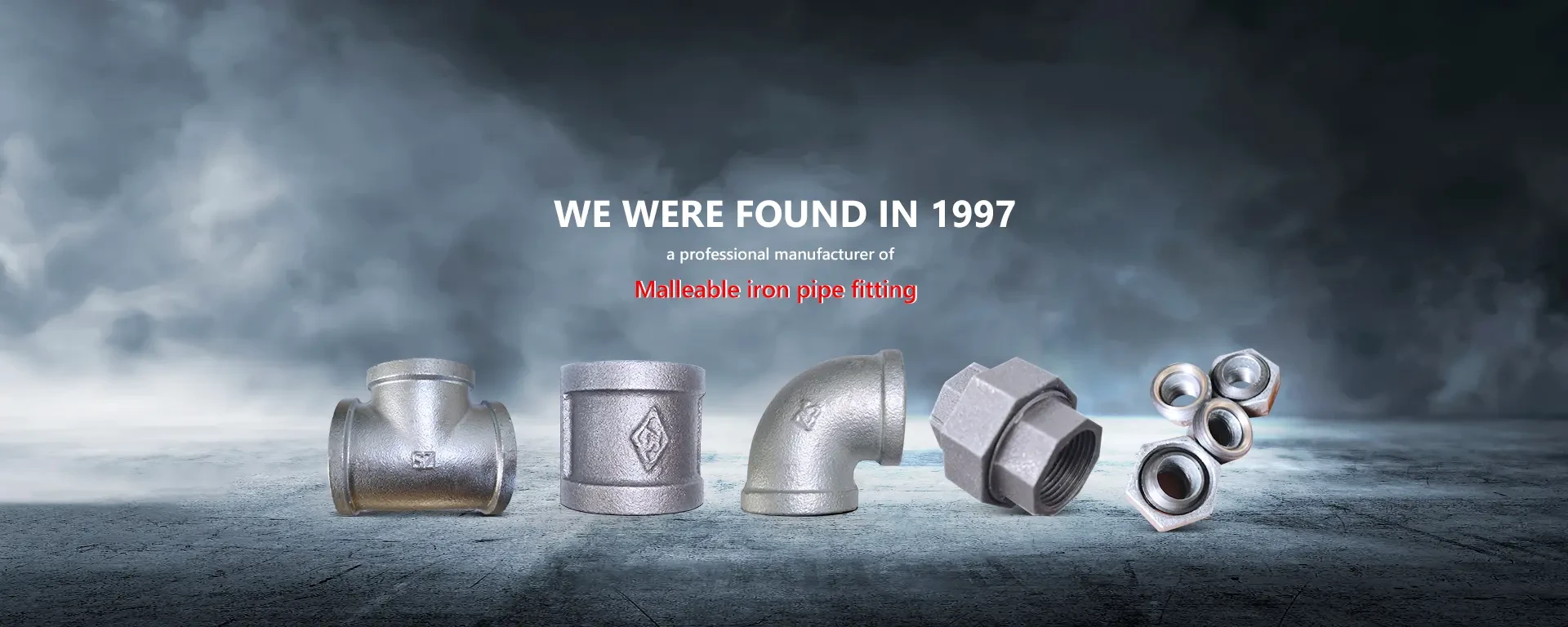
Performance & Engineering
The performance of mild steel round pipe is governed by several engineering principles. Stress analysis, particularly concerning hoop stress in pressurized systems, is paramount. The Barlow's formula (σ = PD/2t, where σ is hoop stress, P is internal pressure, D is diameter, and t is wall thickness) is used to determine the required wall thickness for a given pressure. Environmental resistance is a crucial consideration. Mild steel is susceptible to corrosion, particularly in humid or saline environments. Protective coatings such as galvanizing, epoxy coatings, or polyurethane coatings are commonly applied to enhance corrosion resistance. Compliance requirements vary depending on the application and geographic location. For pressure vessels, adherence to ASME Boiler and Pressure Vessel Code Section IX is essential. For structural applications, standards like ASTM A53 or EN 10255 specify requirements for chemical composition, mechanical properties, and dimensional tolerances. Impact toughness, measured by Charpy V-notch testing, assesses the material’s resistance to brittle fracture, especially at low temperatures. Fatigue resistance, critical in cyclic loading applications, is influenced by surface finish, residual stresses, and the presence of stress concentrators like weld defects. Furthermore, buckling analysis must be performed when pipes are subjected to compressive loads, particularly in structural supports.
Technical Specifications
| Parameter | ASTM A53 Grade B (Typical) | EN 10255 S235JR (Typical) | Unit |
|---|---|---|---|
| Yield Strength | 250 | 235 | MPa |
| Tensile Strength | 450 | 360 | MPa |
| Elongation (200mm gauge length) | 20 | 22 | % |
| Carbon Equivalent (CE) | 0.31 | 0.21 | - |
| Impact Toughness (Charpy V-notch @ 20°C) | 40 | 27 | J |
| Outside Diameter Range | 1/2” - 8” | 1/2” - 12” | inch |
Failure Mode & Maintenance
Mild steel round pipe is susceptible to several failure modes. Corrosion is a primary concern, leading to uniform thinning, pitting corrosion, or galvanic corrosion in dissimilar metal connections. Fatigue cracking can occur under cyclic loading, initiating from stress concentrators like welds or dents. Erosion corrosion, caused by abrasive particles in flowing fluids, can wear away the pipe wall. Hydrogen embrittlement, particularly in high-strength steels exposed to hydrogen sulfide, can lead to brittle fracture. Weld defects, such as porosity, slag inclusions, or incomplete fusion, can compromise the pipe's integrity. Maintenance strategies include regular inspections using Non-Destructive Testing (NDT) methods like Ultrasonic Testing (UT), Radiographic Testing (RT), and Magnetic Particle Inspection (MPI) to detect cracks or corrosion. Protective coatings should be periodically inspected for damage and repaired as needed. Cathodic protection, using sacrificial anodes or impressed current systems, can effectively mitigate corrosion in underground or submerged pipelines. Internal cleaning, using methods like pigging, removes deposits and prevents corrosion under insulation. Proper storage is crucial; pipes should be stored off the ground, covered, and protected from the elements. Following a rigorous preventative maintenance schedule significantly extends the service life and ensures the safe operation of mild steel pipe systems.
Industry FAQ
Q: What is the impact of sulfur content on the weldability of mild steel round pipe?
A: Elevated sulfur content in mild steel can significantly reduce its weldability. Sulfur forms iron sulfide at the weld interface, which has a low melting point and can lead to hot cracking during cooling. Lower sulfur content grades are preferred for welding applications. Preheating the material can also help mitigate this issue by slowing down the cooling rate and reducing the formation of iron sulfide.
Q: How does the manufacturing process (seamless vs. welded) affect the pipe’s pressure rating?
A: Generally, seamless pipes have a higher pressure rating than welded pipes for the same dimensions and material grade. This is because seamless pipes lack a weld seam, eliminating a potential point of weakness. Welded pipes, while cost-effective, require stringent quality control of the weld to ensure adequate strength and integrity. The type of welding process employed also influences the pressure rating, with SAW generally providing higher strength welds than ERW.
Q: What are the key considerations when selecting a coating for corrosion protection in a marine environment?
A: In marine environments, corrosion is accelerated by saltwater exposure. Epoxy coatings, polyurethane coatings, and galvanizing are common choices. Epoxy coatings offer excellent adhesion and chemical resistance but can be brittle. Polyurethane coatings provide superior flexibility and UV resistance. Galvanizing (zinc coating) provides sacrificial protection, corroding preferentially to the steel. The choice depends on the specific operating conditions, abrasion resistance requirements, and budget.
Q: How does normalizing heat treatment affect the mechanical properties of mild steel pipe?
A: Normalizing is a heat treatment process that refines the grain structure of the steel, resulting in improved toughness, ductility, and machinability. It reduces internal stresses and homogenizes the composition. While normalizing doesn't significantly increase the strength, it enhances the overall reliability and performance of the pipe, particularly in applications subject to impact loads or fluctuating temperatures.
Q: What is the significance of the Charpy V-notch test and how are the results interpreted?
A: The Charpy V-notch test measures the impact toughness of a material, indicating its resistance to brittle fracture. A notched specimen is struck by a swinging pendulum, and the energy absorbed during fracture is measured. Lower energy absorption indicates lower toughness. Results are often presented with temperature, as impact toughness decreases with decreasing temperature. This test is vital for assessing suitability for cold-weather applications or dynamic loading scenarios.
Conclusion
Mild steel round pipe remains a cornerstone material in numerous industrial applications due to its favorable combination of cost, strength, and weldability. A comprehensive understanding of its material science, manufacturing processes, and potential failure modes is critical for ensuring long-term performance and safety. Careful consideration of environmental factors, compliance requirements, and appropriate maintenance strategies are essential for mitigating corrosion and preventing premature failure.
Future advancements will likely focus on developing enhanced corrosion-resistant coatings, optimizing welding techniques for improved joint integrity, and utilizing more sophisticated NDT methods for early defect detection. Continuous refinement of manufacturing processes and adherence to evolving industry standards will further solidify the role of mild steel round pipe as a reliable and cost-effective structural component in a wide range of engineering applications.
