
Introduction
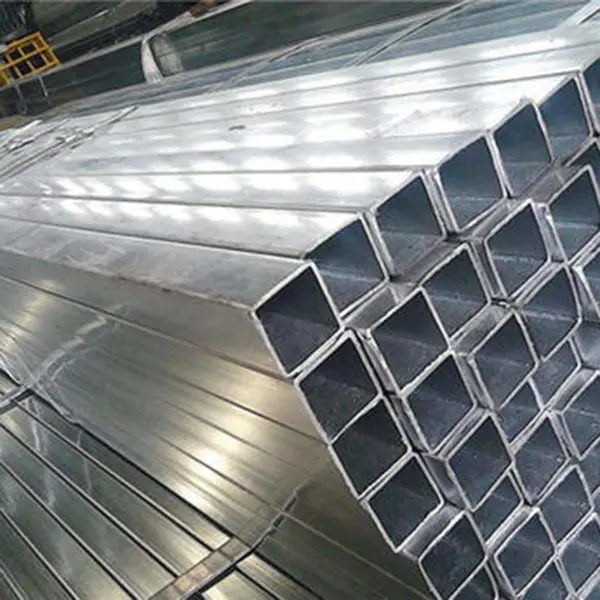
Pipe steel, encompassing a diverse range of steel alloys fabricated into tubular forms, constitutes a critical component in numerous industrial applications, notably in the oil and gas, water conveyance, construction, and chemical processing sectors. Technically positioned between raw material steel production and finished pipeline systems or structural elements, pipe steel’s primary function is the safe and efficient transport of fluids and gases, or provision of structural support under pressure. Core performance characteristics defining pipe steel suitability include yield strength, tensile strength, impact toughness, corrosion resistance, and weldability. The selection of appropriate pipe steel grades is paramount, directly impacting system longevity, safety, and operational efficiency. The industry faces persistent challenges related to maintaining consistent material properties, addressing corrosion in harsh environments, and ensuring compliance with evolving regulatory standards. This guide provides a comprehensive technical overview of pipe steel, detailing material science, manufacturing processes, performance parameters, failure modes, and relevant industry standards.
Material Science & Manufacturing
The foundational material for pipe steel is carbon steel, with varying concentrations of carbon and additions of alloying elements such as manganese, silicon, chromium, molybdenum, nickel, and vanadium. Carbon content directly influences hardness and strength; increased carbon generally enhances strength but reduces ductility and weldability. Manganese improves strength and hardenability. Silicon refines grain structure and improves oxidation resistance. Chromium is critical for corrosion resistance, particularly in stainless steel grades. Molybdenum enhances strength, creep resistance, and toughness at elevated temperatures. Nickel improves toughness and corrosion resistance. Vanadium contributes to grain refinement and increased strength. Raw material production typically involves basic oxygen steelmaking or electric arc furnace processes, followed by controlled cooling and alloying to achieve specific chemical compositions.
Manufacturing processes vary depending on the desired pipe diameter, wall thickness, and application. Seamless pipe is produced through processes like rotary piercing or extrusion, where a solid billet of steel is heated and forced over a mandrel to create a hollow tube. This eliminates weld seams, providing superior strength and pressure resistance. Welded pipe is manufactured by rolling steel plates into cylindrical shapes and then welding the longitudinal seams, typically using submerged arc welding (SAW), electric resistance welding (ERW), or high-frequency induction welding (HFIW). SAW provides high deposition rates and excellent weld quality for large-diameter, high-pressure pipes. ERW and HFIW are cost-effective for smaller-diameter pipes. Critical parameters during manufacturing include precise temperature control, reduction ratios during forming, welding parameters (voltage, current, travel speed), and post-weld heat treatment to relieve stress and optimize mechanical properties. Non-destructive testing (NDT), including ultrasonic testing, radiographic testing, and magnetic particle inspection, is employed to verify weld integrity and detect flaws.

Performance & Engineering
The performance of pipe steel is critically dependent on its ability to withstand internal and external pressures, tensile stresses, bending moments, and environmental factors. Force analysis involves calculating hoop stress (circumferential stress due to internal pressure), longitudinal stress (axial stress due to internal pressure and external loads), and bending stress. These stresses are determined using established formulas based on pipe dimensions, material properties, and operating conditions. Environmental resistance encompasses corrosion resistance, erosion resistance, and resistance to extreme temperatures. Corrosion can occur through various mechanisms, including general corrosion, pitting corrosion, crevice corrosion, and stress corrosion cracking. Selection of appropriate steel grades with sufficient alloying elements (e.g., chromium, nickel, molybdenum) and application of protective coatings (e.g., epoxy, polyethylene) are essential to mitigate corrosion.
Compliance requirements are dictated by industry standards and regulatory bodies. For oil and gas pipelines, API 5L specifies requirements for line pipe. For high-pressure applications, ASME B31.3 (Process Piping) and ASME B31.4 (Pipeline Transportation Systems) provide detailed design, fabrication, and inspection guidelines. Standards also address material traceability, welding procedures, non-destructive testing, and hydrostatic testing. Fatigue analysis is critical for applications involving cyclic loading, such as offshore pipelines subjected to wave action. Understanding the S-N curve (stress-strain curve) for the specific steel grade is crucial for predicting fatigue life and preventing catastrophic failures. The selection of proper pipe supports and expansion joints is also vital for managing thermal stresses and preventing excessive loads on the pipe system.
Technical Specifications
| Steel Grade | Yield Strength (MPa) | Tensile Strength (MPa) | Elongation (%) |
|---|---|---|---|
| API 5L X42 | 345 | 485 | 21 |
| API 5L X52 | 379 | 530 | 22 |
| API 5L X60 | 414 | 586 | 23 |
| ASTM A106 Grade B | 250 | 400 | 22 |
| ASTM A333 Grade 6 | 276 | 414 | 20 |
| 304/304L Stainless Steel | 205 | 517 | 40 |
Failure Mode & Maintenance
Pipe steel failures can manifest in several ways, primarily due to corrosion, mechanical loading, and manufacturing defects. Corrosion, as previously discussed, weakens the pipe wall, leading to leaks or ruptures. Stress corrosion cracking (SCC) occurs when tensile stresses are combined with a corrosive environment. Fatigue cracking develops from cyclic loading, initiating at stress concentrators such as weld defects or corrosion pits. Erosion, caused by the abrasive action of fluids or solids, gradually wears away the pipe wall. Manufacturing defects, such as inclusions, porosity, and cracks in welds, can serve as initiation sites for failure. Delamination can occur in coated pipes, where the coating separates from the steel substrate, exposing the metal to corrosion. Oxidation at high temperatures can lead to scaling and loss of material.
Maintenance strategies include regular inspections using NDT methods (ultrasonic testing, radiographic testing, visual inspection), application of protective coatings, cathodic protection (using sacrificial anodes or impressed current systems), and implementation of corrosion monitoring programs. Pipeline pigging, which involves inserting a device (a “pig”) into the pipeline to clean and inspect the interior, is a common maintenance practice. Leak detection systems are crucial for identifying and addressing leaks promptly. For damaged pipes, repair options include welding repairs, sleeve repairs, or pipe replacement. Preventative maintenance, including regular cleaning, lubrication of valves and fittings, and proper support of the pipeline, can significantly extend the lifespan of the system. Regular review of operating conditions and adherence to maintenance schedules are essential for preventing failures and ensuring safe and reliable operation.
Industry FAQ
Q: What is the primary difference between API 5L X60 and X70 pipe steel, and how does this impact cost and application?
A: The primary difference lies in the yield strength; X70 boasts a higher yield strength (typically around 483 MPa) than X60 (around 414 MPa). This allows for thinner wall thicknesses for equivalent pressure containment, reducing material cost per unit length. However, X70 generally requires more stringent welding procedures and is slightly more susceptible to hydrogen-induced cracking, potentially increasing fabrication costs. X70 is often preferred in high-pressure applications and long-distance pipelines where weight reduction is critical, while X60 remains a cost-effective choice for lower-pressure systems.
Q: How does sour service (H2S containing environments) affect the selection of pipe steel, and what specific grades are recommended?
A: Sour service environments, containing hydrogen sulfide (H2S), significantly accelerate corrosion and can lead to sulfide stress cracking (SSC). Pipe steel selection requires careful consideration of H2S concentration, temperature, and pressure. Low-alloy steels containing chromium and molybdenum are commonly used, and adherence to NACE MR0175/ISO 15156 is critical. Specific grades include modified API 5L steels with reduced sulfur content and enhanced toughness properties, as well as duplex stainless steels for highly corrosive environments. Regular monitoring of H2S levels and implementation of corrosion inhibitors are also essential.
Q: What are the key considerations when welding dissimilar metals in a pipe system, such as connecting carbon steel to stainless steel?
A: Welding dissimilar metals presents challenges due to differences in thermal expansion coefficients, melting temperatures, and chemical compositions. Careful selection of filler metal is crucial to ensure compatibility and prevent the formation of brittle intermetallic compounds. Preheating and post-weld heat treatment may be required to minimize residual stresses and optimize weld properties. Galvanic corrosion can also occur at the junction between dissimilar metals, necessitating the use of corrosion inhibitors or isolation techniques.
Q: What are the limitations of using non-destructive testing (NDT) methods like ultrasonic testing, and how can these be mitigated?
A: Ultrasonic testing (UT) has limitations in detecting certain types of flaws, such as tightly closed cracks or small-scale corrosion. Access to the pipe surface is also required, and the accuracy of UT depends on the skill of the technician and the equipment calibration. Mitigation strategies include using multiple NDT methods (e.g., UT in conjunction with radiographic testing), employing phased array ultrasonic testing for improved flaw characterization, and performing thorough visual inspections to identify potential areas of concern.
Q: What is the role of hydrostatic testing in ensuring the integrity of a newly constructed pipeline, and what acceptance criteria are typically used?
A: Hydrostatic testing involves pressurizing the pipeline with water to a level exceeding its maximum operating pressure to verify its structural integrity and detect leaks. It serves as a final quality control step before commissioning the pipeline. Acceptance criteria typically specify a minimum test pressure and a maximum allowable pressure drop over a specified period. Any leaks or significant pressure drops indicate a failure and require repair before the pipeline can be put into service. Test duration and pressure levels are defined by relevant industry standards (e.g., API 5L, ASME B31.4).
Conclusion
Pipe steel selection and application are multifaceted engineering challenges demanding a thorough understanding of material science, manufacturing processes, performance characteristics, and potential failure modes. The optimal choice of steel grade is contingent upon the specific operating conditions, including pressure, temperature, fluid composition, and environmental factors. Adhering to established industry standards, implementing robust inspection and maintenance programs, and employing appropriate corrosion mitigation strategies are paramount for ensuring the long-term reliability, safety, and efficiency of pipeline systems.
Future trends in pipe steel technology will likely focus on the development of higher-strength, more corrosion-resistant alloys, along with advancements in welding techniques and non-destructive testing methods. The increasing demand for sustainable infrastructure will also drive innovation in the use of recycled materials and environmentally friendly coatings. Furthermore, the integration of digital technologies, such as data analytics and machine learning, will enable more proactive monitoring and prediction of pipeline failures, leading to improved asset management and reduced operational costs.
