
Introduction
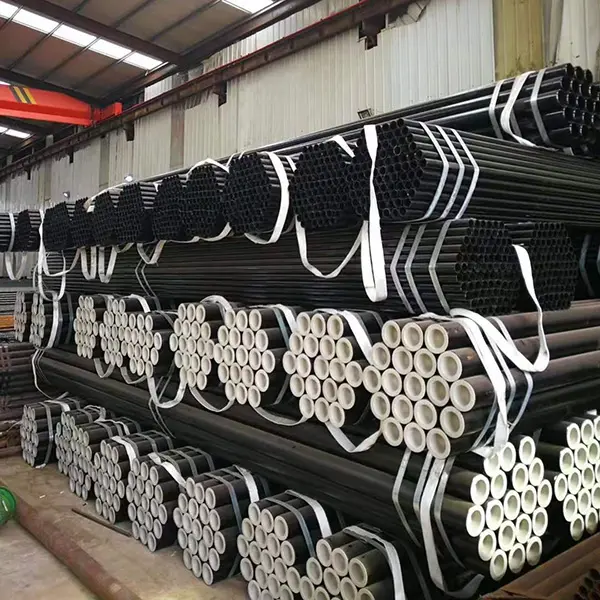
Round pipe, categorized by nominal pipe size and wall thickness (schedule), is a fundamental component in fluid and gas conveyance systems across numerous industries. Its pricing is a complex interplay of raw material costs (primarily steel, but also stainless steel, aluminum, copper, and plastics), manufacturing processes, dimensions, grade, and current market dynamics. This guide provides a detailed technical overview of round pipe, covering material science, manufacturing processes, performance characteristics, common failure modes, and relevant industry standards, specifically contextualized with regard to price determinants. Understanding these factors is critical for procurement professionals, engineers, and project managers seeking to optimize cost and ensure the structural integrity and operational efficiency of piping systems. The price is not merely a commodity value but a reflection of the precise alloy composition, manufacturing quality, and adherence to stringent industry regulations, impacting long-term lifecycle costs and system reliability.
Material Science & Manufacturing
The predominant material for round pipe is carbon steel, specifically ASTM A53 Grade B, commonly used for general-purpose applications. Other prevalent materials include ASTM A106 Grade B (high-temperature service), ASTM A36 (structural steel), and various stainless steel alloys (304/304L, 316/316L) for corrosive environments. The mechanical properties of these materials—yield strength, tensile strength, elongation, and impact toughness—directly influence pipe pricing. Higher-grade alloys with superior corrosion resistance and mechanical strength command premium prices. Manufacturing processes vary based on pipe diameter and material. Seamless pipe is produced via piercing and extrusion of solid billets, resulting in a homogenous structure with superior pressure-bearing capacity and, consequently, higher cost. Welded pipe, manufactured by rolling and welding steel plates or strips, is more cost-effective but requires rigorous non-destructive testing (NDT) to ensure weld integrity. Common welding methods include Electric Resistance Welding (ERW) and Submerged Arc Welding (SAW). Key parameter control during manufacturing involves precise control of heating temperatures, cooling rates, welding parameters (current, voltage, travel speed), and dimensional tolerances to meet specified standards. The production of plastic pipes (PVC, CPVC, HDPE, PEX) involves extrusion processes where molten plastic is forced through a die to create a continuous pipe. Quality control includes testing for hydrostatic pressure, tensile strength, and chemical resistance.

Performance & Engineering
Performance of round pipe is assessed based on its ability to withstand internal pressure, external loads, and environmental stresses. Pressure ratings are determined by Barlow’s formula, considering pipe diameter, wall thickness, and material tensile strength. Engineering calculations must account for factors such as corrosion allowance, temperature effects, and dynamic loads (vibration, shock). Finite Element Analysis (FEA) is frequently employed to model stress distribution and optimize pipe design for specific applications. Environmental resistance is critical, particularly in corrosive environments. Selection of appropriate materials and protective coatings (epoxy, polyethylene) is essential to mitigate corrosion. Compliance with industry standards, such as ASME B31.3 (Process Piping) and ASME B31.1 (Power Piping), dictates design, fabrication, and inspection requirements. Fatigue analysis is crucial for systems subjected to cyclical loading, identifying potential crack initiation and propagation sites. Thermal expansion and contraction are also significant factors, requiring the implementation of expansion loops or flexible connectors to prevent stress on the piping system. The long-term cost-effectiveness of the pipe installation also depends on minimizing pressure drop along the pipe length which is influenced by pipe roughness, diameter, and flow rate. Accurate hydraulic calculations are vital for pump sizing and energy efficiency.
Technical Specifications
| Parameter | ASTM A53 Grade B (Carbon Steel) | ASTM A36 (Carbon Steel) | 304/304L (Stainless Steel) | Schedule 40 (Diameter 2") |
|---|---|---|---|---|
| Yield Strength (MPa) | 250 | 250 | 205 | N/A |
| Tensile Strength (MPa) | 400 | 400 | 517 | N/A |
| Wall Thickness (mm) | Variable (based on schedule) | Variable (based on schedule) | Variable (based on schedule) | 6.35 mm |
| Corrosion Resistance | Limited | Limited | Excellent | Dependent on coating |
| Operating Temperature (°C) | -30 to 370 | -30 to 427 | -196 to 870 | -30 to 138 |
| Typical Price per Meter (USD) | $15 - $25 | $18 - $30 | $50 - $80 | $20 - $30 |
Failure Mode & Maintenance
Common failure modes for round pipe include corrosion (general, pitting, crevice, galvanic), erosion, fatigue cracking, stress corrosion cracking, and weld defects. Corrosion is often the primary driver of failure, especially in aggressive environments. Internal corrosion is exacerbated by fluid velocity and the presence of corrosive contaminants. External corrosion can occur due to atmospheric exposure and moisture accumulation. Fatigue cracking can initiate at stress concentrators, such as welds, dents, or scratches, and propagate under cyclical loading. Weld defects (porosity, inclusions, lack of fusion) can compromise pipe integrity and lead to catastrophic failure. Maintenance strategies include regular visual inspections for signs of corrosion or damage, non-destructive testing (ultrasonic testing, radiography, liquid penetrant testing) to detect hidden defects, and application of protective coatings. Cathodic protection is employed to mitigate corrosion in underground or submerged pipelines. Periodic hydrostatic testing verifies the structural integrity of the pipe. For plastic pipes, UV degradation is a common failure mode, requiring shielding or UV-resistant formulations. Scheduled replacement based on predicted lifespan and operating conditions is crucial for preventative maintenance.
Industry FAQ
Q: What is the impact of steel alloy composition on pipe price?
A: Higher alloy content (e.g., chromium in stainless steel) increases corrosion resistance and mechanical strength, but also substantially increases the cost of the raw material. The addition of elements like nickel, molybdenum, and vanadium further enhances specific properties but contributes to higher prices. Procurement decisions require a careful balance between performance requirements and budgetary constraints.
Q: How does pipe schedule (wall thickness) affect pricing?
A: Thicker-walled pipe (higher schedule number) provides greater pressure-bearing capacity and corrosion allowance, but also requires more material and increased manufacturing costs. Selecting the appropriate schedule is crucial; over-specifying can lead to unnecessary expense, while under-specifying compromises safety and reliability.
Q: What is the role of non-destructive testing (NDT) in determining pipe quality and price?
A: NDT methods, such as ultrasonic testing and radiography, are essential for detecting flaws in welds and base material. Stringent NDT requirements increase manufacturing costs but ensure the integrity of the pipe. The level of NDT required is dictated by industry standards and the criticality of the application.
Q: How do global market factors influence round pipe pricing?
A: Fluctuations in iron ore prices, energy costs, trade tariffs, and geopolitical events significantly impact steel production costs and, consequently, pipe prices. Supply chain disruptions and increased demand can also drive up prices. Careful monitoring of market trends is essential for effective procurement planning.
Q: What is the difference in pricing between seamless and welded pipe, and when should each be used?
A: Seamless pipe is generally more expensive due to the more complex manufacturing process. It is preferred for high-pressure, high-temperature applications, and critical services where weld integrity is paramount. Welded pipe is more cost-effective for lower-pressure applications and general-purpose services, provided it undergoes rigorous NDT to ensure weld quality.
Conclusion
The pricing of round pipe is a multifaceted issue determined by a complex interplay of material properties, manufacturing processes, performance requirements, and market forces. Understanding these factors is paramount for informed procurement decisions and ensuring the long-term reliability and cost-effectiveness of piping systems. Selecting the appropriate material, schedule, and manufacturing method requires a thorough analysis of the application's specific operating conditions and regulatory compliance requirements.
Looking ahead, advancements in materials science and manufacturing technologies (e.g., laser welding, additive manufacturing) are likely to introduce new pipe materials and fabrication methods, potentially impacting pricing and performance characteristics. Furthermore, increased emphasis on sustainability and lifecycle cost analysis will drive demand for corrosion-resistant alloys and durable coatings. Proactive maintenance strategies, coupled with advanced monitoring technologies, will become increasingly important for mitigating failure risks and optimizing the lifespan of piping infrastructure.
