
Introduction
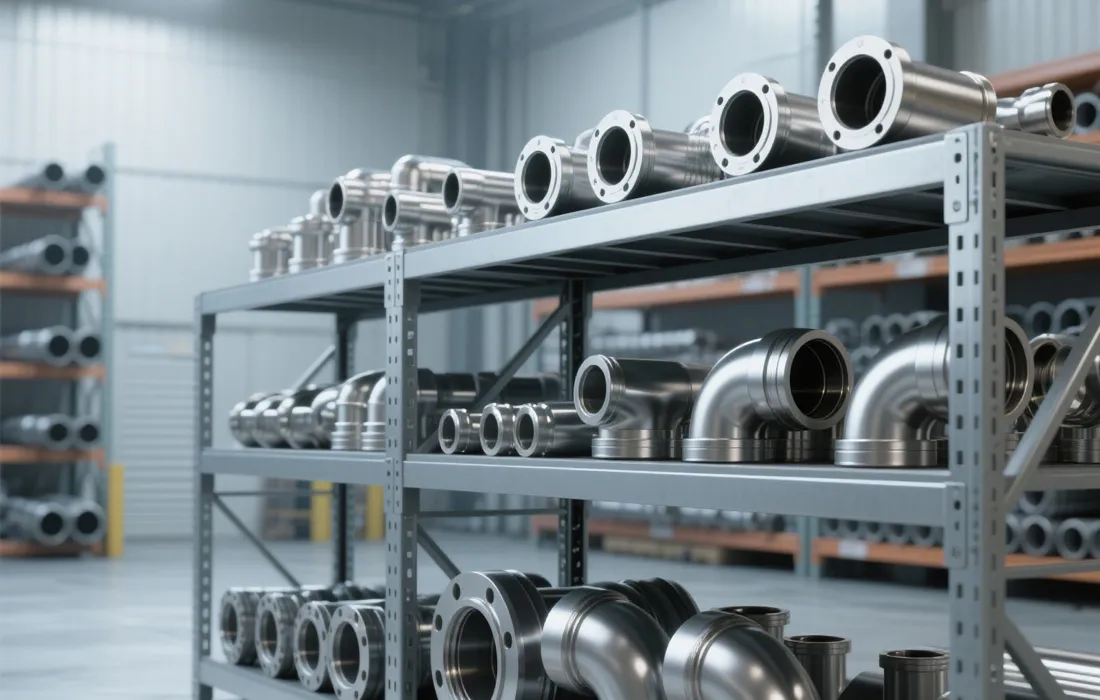
Stainless steel (SS) exhaust pipes are critical components in a wide range of internal combustion engine applications, spanning automotive, marine, industrial power generation, and heavy machinery. Their function is to safely channel high-temperature, corrosive exhaust gases away from the engine and reduce noise levels. Unlike traditional carbon steel exhaust systems, SS exhaust pipes leverage the inherent corrosion resistance and high-temperature strength of stainless steel alloys to provide extended service life and reduced maintenance. This guide provides an in-depth technical analysis of SS exhaust pipe technology, covering material science, manufacturing processes, performance characteristics, failure modes, and relevant industry standards. The increasing stringency of emissions regulations and the demand for durable, lightweight exhaust systems are driving the adoption of advanced stainless steel grades and manufacturing techniques in this sector. A key pain point within the industry is balancing cost-effectiveness with the required performance and longevity, particularly in harsh operating environments. Selecting the appropriate stainless steel grade for the specific application is therefore paramount.
Material Science & Manufacturing
SS exhaust pipes are typically manufactured from austenitic stainless steel grades, primarily 304/304L, 316/316L, and 409. 304/304L offers excellent corrosion resistance and weldability, making it suitable for general-purpose exhaust systems. 316/316L, containing molybdenum, enhances resistance to chloride corrosion, crucial in marine and coastal applications. 409, a ferritic stainless steel, provides adequate corrosion resistance at a lower cost, often used in less demanding automotive exhaust systems. The 'L' designation indicates low carbon content, minimizing carbide precipitation during welding and improving corrosion resistance.
Manufacturing processes include: Tube Forming: Utilizing mandrel bending to achieve complex pipe geometries while maintaining consistent wall thickness. Welding: Gas Tungsten Arc Welding (GTAW), also known as TIG welding, and Gas Metal Arc Welding (GMAW) are prevalent. Proper shielding gas selection (argon-based) and precise control of heat input are essential to prevent weld degradation. Hydroforming: Employing hydraulic pressure to shape the tube, achieving tighter tolerances and increased strength. Flanging & Fitting: Creating precise flange connections using specialized tooling. Surface Finishing: Processes like pickling and passivation remove surface contaminants and enhance corrosion resistance. Parameter control focuses on maintaining chemical composition within specified limits, ensuring consistent mechanical properties through heat treatment, and minimizing residual stresses introduced during forming and welding. Microstructural analysis (grain size, phase distribution) is critical for quality control. Controlling the carbon content is crucial to avoid sensitization, a form of corrosion susceptibility that occurs near the weld zone.
Performance & Engineering
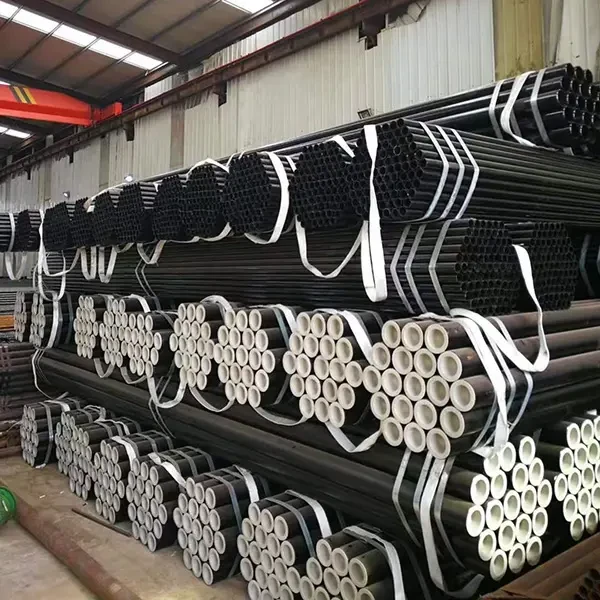
The performance of SS exhaust pipes is dictated by several key engineering considerations. Thermal Stress Analysis: Exhaust gases can reach temperatures exceeding 800°C, inducing significant thermal stresses in the pipe. Finite Element Analysis (FEA) is used to model stress distribution and optimize pipe geometry and wall thickness to prevent fatigue failure. Flow Dynamics: Optimizing pipe diameter and bend radii minimizes backpressure, maximizing engine efficiency. Computational Fluid Dynamics (CFD) simulations are used to analyze exhaust flow patterns. Vibration Analysis: Engine vibrations can induce resonant frequencies in the exhaust system, leading to fatigue cracking. Proper support bracket design and the incorporation of vibration dampers are critical. Corrosion Resistance: Exposure to acidic condensation, road salt, and other corrosive agents requires careful material selection and surface treatments. Pitting corrosion, crevice corrosion, and stress corrosion cracking are common failure mechanisms. Compliance requirements include meeting emissions standards (Euro 6, EPA Tier 4), noise regulations, and vehicle safety standards. The selection of expansion joints is critical to accommodate thermal expansion and contraction and reduce stress on welds. The material's creep resistance at high temperatures is also a crucial performance parameter, particularly in turbocharged engines.
Technical Specifications
| Material Grade | Tensile Strength (MPa) | Yield Strength (MPa) | Corrosion Resistance (ASTMG48) | Maximum Operating Temperature (°C) | Wall Thickness (mm) |
|---|---|---|---|---|---|
| 304/304L | 517-724 | 205-276 | Excellent | 870 | 1.2-3.0 |
| 316/316L | 517-724 | 205-276 | Superior (Chloride Resistance) | 870 | 1.2-3.0 |
| 409 | 414-552 | 207-276 | Good | 700 | 1.0-2.5 |
| 321 | 517-724 | 205-276 | Excellent (Stabilized) | 925 | 1.2-3.0 |
| Duplex 2205 | 620-790 | 345-480 | Outstanding | 350 | 1.5-4.0 |
| Inconel 625 | 896-1034 | 483-620 | Exceptional | 980 | 2.0-5.0 |
Failure Mode & Maintenance
SS exhaust pipes can fail through several mechanisms: Fatigue Cracking: Repeated thermal and mechanical stress leads to crack initiation and propagation, often around welds or bends. Corrosion: Pitting, crevice, and stress corrosion cracking can occur due to exposure to corrosive environments. Erosion: High-velocity exhaust gases can erode the inner surface of the pipe, reducing wall thickness. Oxidation: At high temperatures, oxidation can form a scale on the inner surface, increasing resistance to flow and potentially leading to localized overheating. Weld Degradation: Improper welding techniques or inadequate shielding gas can result in porosity, inclusions, and reduced weld strength.
Maintenance strategies include: Regular Visual Inspection: Checking for signs of corrosion, cracks, or damage. Non-Destructive Testing (NDT): Utilizing techniques like dye penetrant inspection, ultrasonic testing, and radiographic testing to detect hidden flaws. Cleaning: Removing accumulated soot and debris to prevent corrosion and maintain flow. Coating: Applying ceramic coatings to enhance thermal insulation and corrosion resistance. Support Bracket Inspection: Ensuring proper support bracket function and replacing damaged brackets. Preventive maintenance programs should include scheduled inspections and replacements based on operating hours and environmental conditions. Repair welding should be performed by qualified welders using appropriate procedures and materials.
Industry FAQ
Q: What is the primary advantage of using 316L stainless steel over 304L in a marine exhaust application?
A: The primary advantage of 316L is its superior resistance to chloride corrosion. Marine environments expose exhaust systems to saltwater spray, which can rapidly corrode 304L stainless steel. The addition of molybdenum in 316L forms a more passive layer, significantly enhancing corrosion resistance in chloride-rich environments.
Q: How does wall thickness impact the lifespan of an SS exhaust pipe?
A: Increasing wall thickness generally increases lifespan, but it's a balancing act. Thicker walls provide greater resistance to erosion, corrosion, and fatigue cracking, but they also add weight and cost. The optimal wall thickness depends on the operating conditions, exhaust gas temperature, and anticipated lifespan.
Q: What welding procedures are critical to maintain the corrosion resistance of SS exhaust pipes?
A: Maintaining corrosion resistance requires using appropriate shielding gases (argon-based), minimizing heat input to prevent sensitization, and post-weld passivation to remove surface contaminants. Avoiding welding procedures that introduce carbon diffusion into the weld zone is also important.
Q: Can SS exhaust pipes be repaired if they develop small cracks?
A: Small cracks can sometimes be repaired using qualified welding procedures. However, it's crucial to thoroughly inspect the surrounding material for signs of corrosion or fatigue and to ensure the repair weld meets the original material's specifications. In some cases, replacement is the more cost-effective and reliable option.
Q: What is the role of expansion joints in a long-run SS exhaust system?
A: Expansion joints accommodate thermal expansion and contraction of the exhaust pipe, preventing stress buildup on welds and flanges. They are particularly important in long-run systems and systems subjected to large temperature fluctuations. Incorrectly sized or placed expansion joints can lead to premature failure.
Conclusion
Stainless steel exhaust pipes represent a significant advancement over traditional carbon steel systems, offering superior corrosion resistance, high-temperature strength, and extended service life. The selection of the appropriate stainless steel grade, coupled with careful attention to manufacturing processes and proper maintenance, is crucial for optimizing performance and minimizing failure rates. The industry is continually evolving, with advancements in alloy development and manufacturing techniques pushing the boundaries of performance and durability.
Future trends include the increased use of duplex stainless steels for enhanced strength and corrosion resistance, the adoption of additive manufacturing techniques for complex geometries, and the development of advanced coatings to further improve thermal insulation and corrosion protection. Continued investment in research and development will be essential to meet the increasingly stringent demands of modern engine technology and emissions regulations.