
Introduction
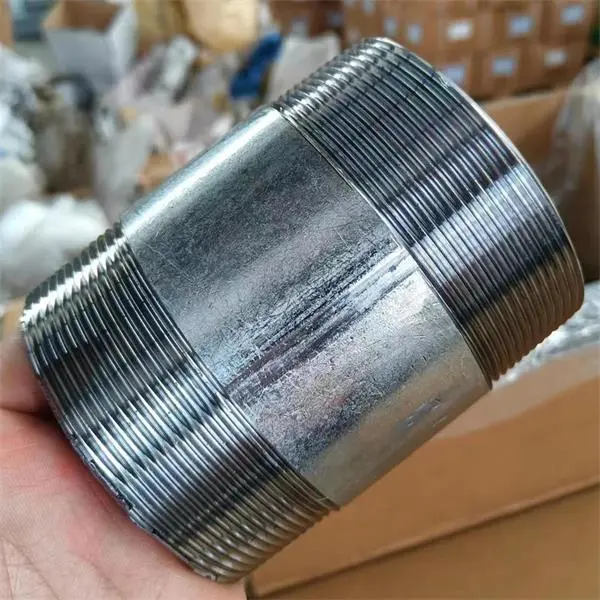
2-inch Stainless Steel (SS) pipe represents a critical component within fluid handling systems across diverse industrial sectors including chemical processing, food and beverage, pharmaceutical manufacturing, and power generation. Its designation – '2 inch’ – refers to the nominal pipe size, representing the approximate internal diameter. The core function of SS pipe, regardless of diameter, is the safe and efficient conveyance of liquids, gases, and semi-solid materials. The selection of stainless steel as the material of construction is driven by its inherent corrosion resistance, high tensile strength, and ability to withstand extreme temperatures and pressures. Price fluctuations are heavily influenced by stainless steel alloy composition (304/304L, 316/316L being the most common), wall thickness (Schedule 40, Schedule 80, etc.), manufacturing origin, and current market demand. This guide provides a detailed technical overview of 2-inch SS pipe, encompassing material science, manufacturing processes, performance characteristics, failure modes, and relevant industry standards. Understanding these facets is paramount for informed procurement, optimal system design, and long-term operational reliability.
Material Science & Manufacturing
The predominant material for 2-inch SS pipe is austenitic stainless steel, with grades 304/304L and 316/316L representing the most common choices. 304/304L stainless steel comprises approximately 18% chromium and 8% nickel, conferring excellent corrosion resistance in many environments. The “L” designation indicates a lower carbon content, minimizing carbide precipitation during welding and enhancing weldability. 316/316L adds 2-3% molybdenum, significantly improving resistance to chloride corrosion (pitting and crevice corrosion), making it suitable for more aggressive environments like seawater or chemical processing. Raw materials are typically sourced as stainless steel billets or seamless tubes. Manufacturing processes vary depending on the required pipe type. Seamless pipe is produced through extrusion or piercing of a solid billet, resulting in a homogenous structure with superior strength. Welded pipe, often produced via Electric Resistance Welding (ERW) or Tungsten Inert Gas (TIG) welding, offers cost-effectiveness but requires careful weld quality control. Key parameters in manufacturing include precise control of welding temperature, shielding gas composition (argon or helium for TIG), and post-weld heat treatment (PWHT) to relieve stresses and optimize mechanical properties. Surface finish is also crucial; pickling and passivation treatments are employed to remove surface contaminants and establish a chromium-rich oxide layer, maximizing corrosion resistance. Wall thickness is controlled through precise rolling and drawing processes, adhering to strict dimensional tolerances specified in standards like ASTM A312.
Performance & Engineering
The performance of 2-inch SS pipe is governed by several key engineering considerations. Pressure ratings, typically expressed in pounds per square inch (PSI) or bars, are determined by the pipe’s dimensions (diameter and wall thickness), material grade, and temperature. Calculations are based on Barlow’s formula, accounting for hoop stress and longitudinal stress. Burst pressure is typically four times the working pressure. Flow rate calculations are crucial for system design, requiring consideration of fluid viscosity, density, and pipe roughness. Stainless steel's relatively smooth internal surface minimizes friction losses compared to carbon steel. Thermal expansion is a significant factor; stainless steel has a higher coefficient of thermal expansion than carbon steel, necessitating expansion loops or flexible connectors to accommodate temperature fluctuations and prevent stress on the piping system. Environmental resistance, particularly to chloride-induced stress corrosion cracking (SCC) in 304/304L, is a critical design consideration, often dictating the use of 316/316L in marine or chemical environments. Compliance requirements vary by industry and geographic location. For example, pharmaceutical applications demand adherence to ASME BPE standards for sanitary piping, emphasizing surface finish and cleanability. Food and beverage applications require compliance with 3-A Sanitary Standards. Seismic design considerations, as outlined in codes like ASCE 7, are also essential in earthquake-prone regions, dictating pipe support and bracing requirements.
Technical Specifications
| Parameter | 304/304L Stainless Steel | 316/316L Stainless Steel | Unit |
|---|---|---|---|
| Nominal Pipe Size | 2 inch | 2 inch | inch |
| Typical Wall Thickness (Schedule 40) | 0.154 | 0.154 | inch |
| Minimum Yield Strength | 30,000 | 28,000 | PSI |
| Minimum Tensile Strength | 75,000 | 70,000 | PSI |
| Elongation (20% Offset) | 35 | 30 | % |
| Corrosion Rate (in 18% HCl) | 0.015 | 0.005 | mm/year |
| Maximum Operating Temperature | 850 | 850 | °C |
Failure Mode & Maintenance
2-inch SS pipe, while robust, is susceptible to several failure modes. Corrosion, particularly pitting and crevice corrosion in chloride-rich environments, is a common cause of failure, especially in 304/304L. Stress corrosion cracking (SCC) can occur under tensile stress in corrosive environments. Fatigue cracking can develop due to cyclic loading, particularly at weld joints. Erosion corrosion can occur in high-velocity fluid streams. Galvanic corrosion can occur when SS pipe is connected to dissimilar metals without proper isolation. Damage during handling or installation, such as dents or scratches, can create stress concentrators and initiate cracking. Maintenance involves regular visual inspections for signs of corrosion, erosion, or damage. Non-destructive testing (NDT) methods, such as ultrasonic testing (UT) and radiographic testing (RT), can be used to detect internal flaws. Periodic cleaning and passivation treatments can restore the protective chromium-rich oxide layer. Leak testing, using hydrostatic pressure or helium leak detection, is crucial for verifying system integrity. Proper support and bracing are essential to prevent excessive stress and vibration. For welds, periodic weld inspection and re-certification are crucial, particularly in critical applications. Replacement of damaged sections should be performed by qualified personnel using appropriate welding procedures and filler materials.
Industry FAQ
Q: What is the primary difference in cost between 304/304L and 316/316L 2-inch SS pipe, and when is the price premium for 316/316L justified?
A: Typically, 316/316L pipe carries a 20-40% price premium over 304/304L due to the addition of molybdenum. This premium is justified when the application involves exposure to chlorides, such as seawater, brine solutions, or certain chemical processes. The enhanced corrosion resistance of 316/316L prevents pitting and crevice corrosion, extending the pipe’s lifespan and reducing the risk of costly failures. A thorough corrosion analysis of the operating environment is crucial to determine if the higher initial cost of 316/316L is economically beneficial in the long run.
Q: What weld filler metal is recommended for joining 2-inch 316/316L SS pipe, and what post-weld heat treatment is typically required?
A: ER316L (AWS A5.9) filler metal is the standard recommendation for welding 316/316L stainless steel. It closely matches the composition of the base metal, ensuring comparable corrosion resistance. Post-weld heat treatment (PWHT) is often recommended, particularly for critical applications. Solution annealing at 1900-2000°F (1038-1093°C) followed by rapid quenching is typically employed to relieve residual stresses and restore ductility. However, PWHT may not be feasible for all installations, and alternative stress relief methods, such as peening, may be considered.
Q: How does the surface finish (Ra value) of 2-inch SS pipe impact its cleanability and corrosion resistance in sanitary applications?
A: Surface finish, quantified by the Ra value (average roughness), is critical in sanitary applications. Lower Ra values (typically ≤ 32 μin or 0.8 μm) provide smoother surfaces, minimizing bacterial adhesion and facilitating cleaning. Rougher surfaces provide sites for bacterial colonization and can promote corrosion. Electropolishing is often used to achieve exceptionally smooth surfaces in pharmaceutical and food processing applications. Proper passivation is also essential to establish a protective oxide layer.
Q: What are the common causes of pitting corrosion in 2-inch SS pipe, and how can it be prevented?
A: Pitting corrosion is initiated by localized breakdown of the passive film, often due to chloride ions or other aggressive species. Surface imperfections, such as scratches or weld defects, can act as initiation sites. Low oxygen levels can exacerbate pitting. Prevention involves selecting appropriate stainless steel grades (316/316L), maintaining proper passivation, avoiding stagnant flow conditions, controlling chloride concentrations, and employing cathodic protection in severe environments.
Q: What is the typical lead time for sourcing 2-inch SS pipe, and what factors can influence delivery times?
A: Typical lead times for standard sizes and grades of 2-inch SS pipe range from 2-6 weeks, depending on stock availability. However, delivery times can be significantly impacted by several factors. These include material availability (stainless steel surcharges fluctuate), manufacturing capacity, order quantity, specific alloy requirements (e.g., exotic grades), and transportation logistics. Lead times can also be extended during periods of high demand or global supply chain disruptions. Advanced planning and forecasting are crucial for minimizing procurement delays.
Conclusion
The selection and implementation of 2-inch stainless steel pipe require a comprehensive understanding of material science, manufacturing processes, and performance characteristics. The austenitic stainless steel alloys, particularly 304/304L and 316/316L, offer a robust solution for a wide range of fluid handling applications. Proper consideration of corrosion resistance, pressure ratings, thermal expansion, and industry-specific compliance requirements is paramount. Proactive maintenance and inspection programs, coupled with appropriate welding procedures and NDT techniques, are essential for ensuring long-term reliability and minimizing the risk of costly failures.
Future trends in SS pipe technology are focused on developing enhanced corrosion-resistant alloys, improving manufacturing processes to reduce costs and lead times, and integrating smart sensing technologies for real-time monitoring of pipe integrity. Continued research into advanced welding techniques and non-destructive testing methods will further enhance the performance and lifespan of stainless steel piping systems. A holistic approach, encompassing material selection, design, installation, and maintenance, is crucial for maximizing the value and minimizing the lifecycle costs of 2-inch SS pipe.
