
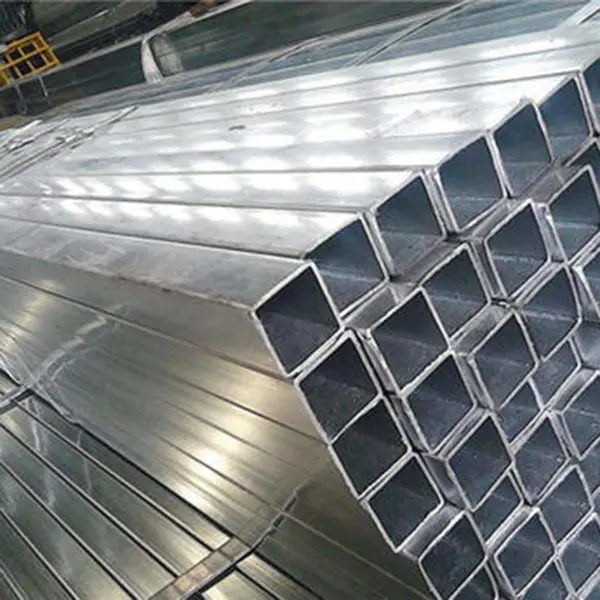
Introduction
Stainless steel (SS) pipe is a metallic tube primarily utilized for the conveyance of fluids and gases in a wide range of industrial applications. Positioned within the broader piping systems industry, SS pipe distinguishes itself through its corrosion resistance, high strength-to-weight ratio, and hygienic properties. This document provides an in-depth technical guide to SS pipe, covering material science, manufacturing processes, performance characteristics, failure modes, and relevant industry standards. SS pipe’s prevalence spans chemical processing, pharmaceuticals, food & beverage, water treatment, oil & gas, and construction, due to its ability to withstand harsh operating conditions and maintain fluid purity. Core performance metrics center around pressure containment, temperature resistance, chemical compatibility, and long-term durability, directly impacting process safety and operational efficiency. Understanding these characteristics is crucial for proper selection, installation, and maintenance.
Material Science & Manufacturing
SS pipe is typically manufactured from austenitic stainless steels (304/304L, 316/316L) although ferritic (430) and martensitic (410) grades are also employed for specific applications. Austenitic grades contain high levels of chromium (18-24%) and nickel (8-10.5%), which impart excellent corrosion resistance and weldability. Chromium forms a passive oxide layer on the surface, preventing corrosion, while nickel stabilizes the austenitic structure, enhancing ductility. The manufacturing process typically begins with the melting of raw materials – iron ore, chromium, nickel, molybdenum, and other alloying elements – in an electric arc furnace. This molten metal is then cast into billets or blooms. These are then hot rolled into seamless pipes utilizing the Mannesmann process, which involves piercing and drawing the billet over a mandrel. Alternatively, welded pipes are produced from steel strips formed into cylindrical shapes and then welded using processes such as Tungsten Inert Gas (TIG) welding or Plasma Arc Welding (PAW). Key parameters during welding include maintaining precise control over heat input, shielding gas composition (typically argon), and welding speed to minimize defects like porosity and incomplete fusion. Post-weld heat treatment (PWHT) is often implemented to relieve residual stresses and enhance mechanical properties. Surface finish is critical; pickling and passivation treatments are used to remove surface contaminants and optimize the protective oxide layer. Proper control of chemical composition during melting, precise temperature regulation during forming, and meticulous welding procedures are essential for achieving desired mechanical properties and corrosion resistance.
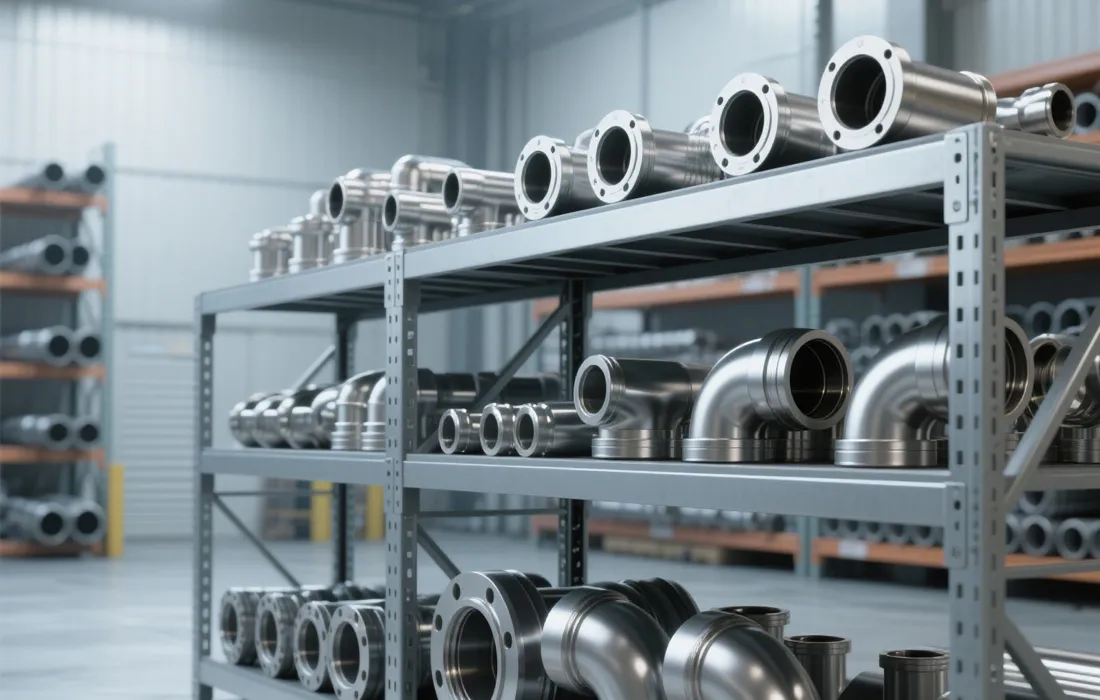
Performance & Engineering
The performance of SS pipe is dictated by several engineering principles. Pressure containment is governed by Barlow’s formula (S = PT/2Dt), where S is stress, P is pressure, T is wall thickness, and D is the outside diameter. Accurate calculation of wall thickness is paramount to withstand internal pressure without yielding or fracturing. Temperature resistance is limited by the creep strength and oxidation resistance of the specific alloy. High temperatures can reduce yield strength and accelerate corrosion rates. Corrosion resistance is heavily influenced by the specific environment; pitting corrosion, crevice corrosion, and stress corrosion cracking are common concerns. Selecting the appropriate grade of stainless steel is vital to match the chemical composition of the conveyed fluid or gas. For instance, 316/316L provides superior resistance to chloride-induced pitting corrosion compared to 304/304L. Furthermore, consideration must be given to thermal expansion and contraction. SS pipe exhibits a higher coefficient of thermal expansion than many other materials, necessitating the use of expansion loops and flexible joints in long pipeline runs to prevent stress build-up and potential failure. Finite Element Analysis (FEA) is often used to model stress distribution and predict pipe behavior under various loading conditions. Compliance requirements, such as ASME B31.3 (Process Piping) and PED (Pressure Equipment Directive), mandate specific design, fabrication, and inspection procedures to ensure safety and reliability.
Technical Specifications
| Parameter | 304/304L | 316/316L | 410 |
|---|---|---|---|
| Yield Strength (MPa) | 205 | 190 | 275 |
| Tensile Strength (MPa) | 515 | 500 | 570 |
| Elongation (%) | 40 | 40 | 25 |
| Corrosion Resistance | Good | Excellent | Moderate |
| Weldability | Excellent | Excellent | Moderate |
| Maximum Operating Temperature (°C) | 870 | 870 | 760 |
Failure Mode & Maintenance
SS pipe, despite its robust nature, is susceptible to various failure modes. Fatigue cracking can occur under cyclic loading, especially at weld joints or areas of stress concentration. This is often initiated by microscopic defects and propagates over time. Pitting corrosion, localized corrosion attack, is common in chloride-rich environments and can lead to perforation. Crevice corrosion occurs in shielded areas, such as under gaskets or in stagnant fluid regions. Stress corrosion cracking (SCC) is a complex phenomenon involving the combined action of tensile stress and a corrosive environment. Intergranular corrosion can occur in improperly heat-treated stainless steels, leading to weakening of the material. Maintenance involves regular visual inspections for signs of corrosion, leaks, or deformation. Non-destructive testing (NDT) methods, such as ultrasonic testing (UT) and radiographic testing (RT), are used to detect internal flaws. Hydrostatic testing is performed to verify pressure integrity. Periodic cleaning and passivation treatments can help maintain the protective oxide layer. For systems handling abrasive fluids, erosion-corrosion can be a significant issue, requiring the use of erosion-resistant alloys or protective linings. Proper design to minimize flow velocity and turbulence can also mitigate erosion-corrosion. Corrective maintenance includes repair welding of cracks, replacement of corroded sections, and adjustment of support systems to reduce stress.
Industry FAQ
Q: What is the primary difference between 304 and 316 stainless steel regarding corrosion resistance?
A: The key difference lies in the molybdenum content. 316 stainless steel contains molybdenum (2-3%), which significantly enhances its resistance to pitting and crevice corrosion, particularly in chloride-containing environments like seawater. 304 lacks this molybdenum addition and is therefore less resistant to chloride attack.
Q: How does welding affect the corrosion resistance of stainless steel pipe?
A: Improper welding can lead to sensitization, where chromium carbides precipitate at grain boundaries, depleting chromium from the surrounding matrix and making the material susceptible to intergranular corrosion. Using low-carbon grades (304L, 316L) and proper heat treatment after welding minimizes this risk.
Q: What is the role of passivation in maintaining the corrosion resistance of SS pipe?
A: Passivation is a chemical treatment that removes free iron from the surface of the stainless steel and promotes the formation of a stable, chromium-rich passive oxide layer. This layer acts as a barrier against corrosive agents, enhancing the overall corrosion resistance.
Q: What are the typical failure modes associated with high-temperature applications of SS pipe?
A: At elevated temperatures, oxidation and creep become primary concerns. Oxidation can lead to scaling and material loss, while creep causes slow deformation under sustained stress. Selecting alloys with higher creep resistance and employing appropriate temperature control measures are crucial.
Q: How can I prevent stress corrosion cracking in SS pipe systems?
A: Preventing SCC involves minimizing tensile stress through proper design and support, selecting appropriate materials for the specific corrosive environment, and avoiding stagnant fluid conditions. Stress relieving heat treatment can also be beneficial.
Conclusion
Stainless steel pipe remains a critical component in numerous industrial processes due to its robust corrosion resistance and mechanical properties. Understanding the nuances of material selection, manufacturing techniques, and potential failure modes is paramount for ensuring long-term reliability and safety. The choice between 304/304L, 316/316L, and other grades hinges on the specific application environment and operational demands.
Looking ahead, advancements in alloy development, coupled with increasingly sophisticated NDT methods and predictive maintenance strategies, will continue to enhance the performance and lifespan of SS pipe systems. Proper adherence to industry standards and best practices, alongside proactive maintenance programs, will remain vital for maximizing the value and minimizing the lifecycle cost of these essential piping components.
