
Introduction
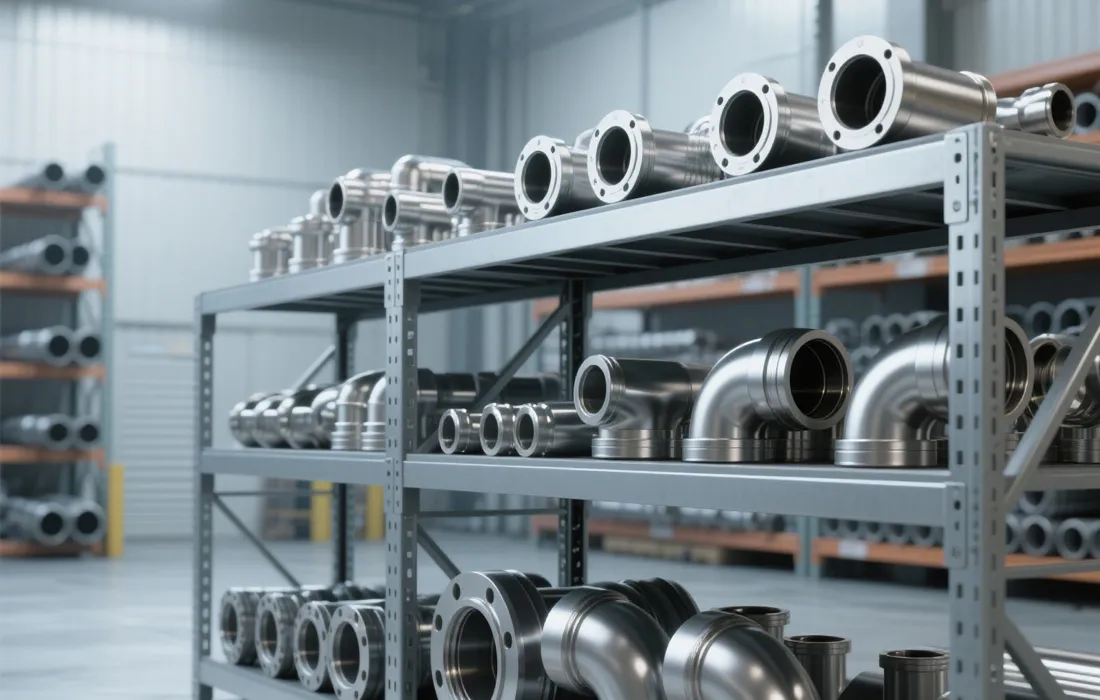
Stainless steel pipe represents a critical component in a vast array of industrial applications, from fluid transport and process piping to structural support in corrosive environments. Stainless pipe suppliers serve diverse sectors including chemical processing, pharmaceuticals, food & beverage, oil & gas, power generation, and water treatment. The technical position of stainless pipe within the materials supply chain is as a semi-finished product, requiring fabrication – welding, bending, and joining – to integrate into final systems. Core performance characteristics revolve around corrosion resistance, mechanical strength, pressure containment, and adherence to stringent industry standards. The selection of the appropriate stainless steel grade, diameter, wall thickness, and manufacturing process dictates overall system reliability and longevity. A primary pain point for end-users is ensuring traceability of material composition and certification to guarantee compliance and avoid costly failures related to substandard materials or improper manufacturing.
Material Science & Manufacturing
Stainless steel pipes are primarily composed of iron, chromium (minimum 10.5%), nickel, molybdenum, and other alloying elements. The chromium content is paramount, forming a passive chromium oxide layer on the surface that provides corrosion resistance. Different austenitic (304, 316), ferritic (430), martensitic (410), and duplex (2205) stainless steel grades are produced, each exhibiting distinct properties. 304/304L is widely used for general corrosion resistance; 316/316L offers enhanced resistance to chloride pitting and crevice corrosion. Manufacturing processes include seamless pipe production (extrusion, piercing, and drawing) and welded pipe production (Electric Resistance Welding - ERW, Longitudinal Seam Welding - LSAW, Spiral Welded - SAW). Seamless pipes generally offer superior mechanical properties and are preferred for high-pressure applications. ERW pipes are cost-effective for lower-pressure systems. Precise control of welding parameters – current, voltage, speed, and shielding gas composition – is crucial to prevent weld defects like porosity, slag inclusions, and incomplete fusion. Heat treatment processes (annealing, solution annealing, pickling) are employed to relieve stress, restore ductility, and remove surface oxides. Material sourcing and traceability are vitally important, with adherence to mill test reports (MTRs) confirming chemical composition and mechanical properties.
Performance & Engineering
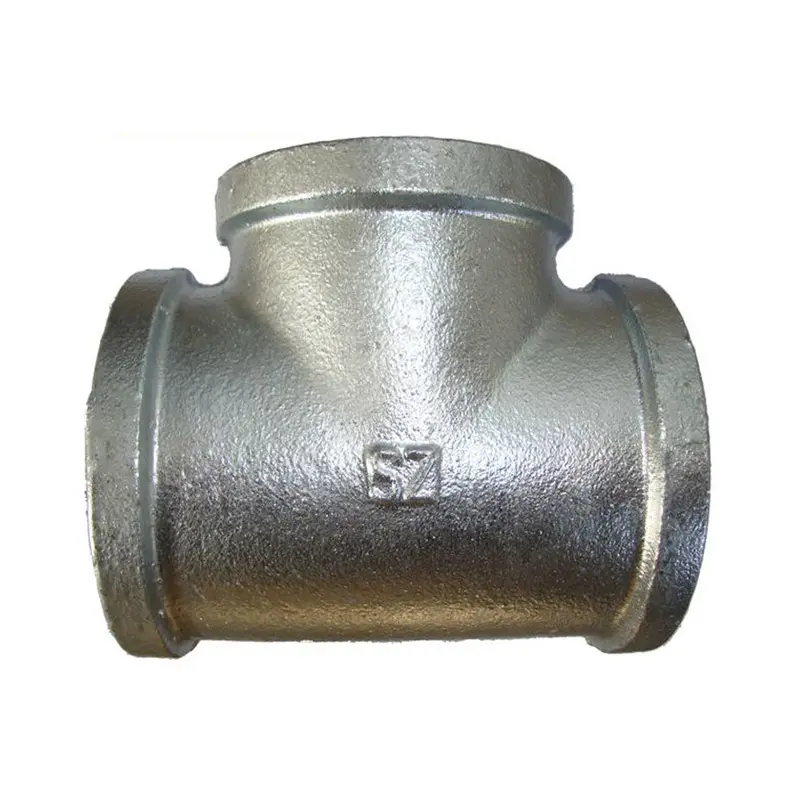
Performance analysis of stainless steel pipes centers around hydrostatic pressure testing, non-destructive examination (NDE) techniques (radiographic testing, ultrasonic testing, liquid penetrant testing), and mechanical property evaluation (tensile strength, yield strength, elongation, impact toughness). Force analysis considers internal pressure, external loads, bending moments, and thermal stresses. Environmental resistance is critically important, encompassing resistance to general corrosion, pitting corrosion, crevice corrosion, stress corrosion cracking (SCC), and galvanic corrosion. Selection of the appropriate stainless steel grade depends on the specific service environment, including pH, temperature, chloride concentration, and flow velocity. Compliance requirements vary by industry and region, dictated by standards such as ASME B31.3 (Process Piping), ASTM A312 (Seamless Wrought Stainless Steel Pipes), and EN 10296 (Stainless Steel Long Products). Fatigue analysis is essential for applications involving cyclic loading, ensuring the pipe's ability to withstand repeated stress cycles without failure. Proper support and anchoring are crucial to prevent excessive bending stresses and potential failure points.
Technical Specifications
| Stainless Steel Grade | Yield Strength (MPa) | Tensile Strength (MPa) | Corrosion Resistance |
|---|---|---|---|
| 304/304L | 205 | 517 | Good (General Corrosion) |
| 316/316L | 205 | 550 | Excellent (Chloride Environments) |
| 410 | 276 | 550 | Moderate (Requires Surface Treatment) |
| 430 | 276 | 450 | Good (Atmospheric Corrosion) |
| 2205 (Duplex) | 450 | 700 | Superior (High Strength & Corrosion Resistance) |
| 904L | 310 | 620 | Exceptional (Severe Corrosive Environments) |
Failure Mode & Maintenance
Common failure modes in stainless steel pipes include pitting corrosion (localized attack due to chloride ions), crevice corrosion (occurring in confined spaces), stress corrosion cracking (SCC - brittle fracture induced by tensile stress and a corrosive environment), erosion corrosion (material removal due to fluid flow), and fatigue cracking (due to cyclic loading). Galvanic corrosion can occur when dissimilar metals are in contact in a corrosive environment. Weld defects (porosity, inclusions, cracks) are also significant failure points. Maintenance strategies include regular visual inspections for signs of corrosion or damage, hydrostatic testing to verify pressure integrity, NDE techniques to detect hidden flaws, and surface cleaning to remove contaminants. Passivation treatments can restore the protective chromium oxide layer. Proper drainage and insulation are vital to prevent corrosion under insulation (CUI). Cathodic protection can be employed in highly corrosive environments. A robust preventative maintenance program, including scheduled inspections and replacements based on service conditions, is essential to minimize downtime and ensure long-term reliability.
Industry FAQ
Q: What is the difference between 304 and 316 stainless steel, and when should I choose one over the other?
A: 316 stainless steel contains molybdenum, which significantly enhances its resistance to chloride pitting and crevice corrosion compared to 304. Choose 316 for marine environments, chemical processing plants handling chlorides, or applications where exposure to salt spray is common. 304 is sufficient for less corrosive environments like freshwater systems or food processing applications where chloride levels are low.
Q: How do I verify the authenticity and quality of the stainless steel pipe I am purchasing?
A: Always request a Mill Test Report (MTR) from the supplier. The MTR provides the chemical composition, mechanical properties, and traceability information for the material. Verify that the MTR is from an accredited laboratory and corresponds to the specific pipe you are purchasing. Consider requesting a Positive Material Identification (PMI) test to confirm the alloy composition.
Q: What are the common causes of stress corrosion cracking in stainless steel pipes?
A: Stress corrosion cracking (SCC) is often caused by the combination of tensile stress and a specific corrosive environment. Chloride ions are a common culprit, particularly in austenitic stainless steels. Residual stresses from welding or forming processes can also contribute to SCC. Proper heat treatment and stress relieving can mitigate the risk.
Q: What is the purpose of passivation and how often should it be performed?
A: Passivation is a chemical treatment that removes free iron from the surface of stainless steel, enhancing the formation of the protective chromium oxide layer. It's typically performed after fabrication or welding. The frequency of passivation depends on the service environment. For less corrosive applications, periodic cleaning may suffice. For highly corrosive environments, annual or bi-annual passivation may be necessary.
Q: What are the advantages and disadvantages of seamless versus welded stainless steel pipes?
A: Seamless pipes generally have superior mechanical properties, higher pressure ratings, and are preferred for critical applications. Welded pipes are more cost-effective and readily available in larger diameters. However, the weld seam can be a potential point of failure if not properly executed and inspected. Proper NDE (non-destructive examination) is vital for welded pipes.
Conclusion
The selection and implementation of stainless steel piping systems demands a comprehensive understanding of material science, manufacturing processes, performance characteristics, and potential failure modes. Effective stainless pipe suppliers provide not only quality products but also technical expertise and documentation to ensure optimal system performance and longevity. Prioritizing material traceability, rigorous quality control, and adherence to industry standards are paramount to mitigating risk and achieving reliable operation.
Looking forward, advancements in duplex and super-austenitic stainless steel alloys will continue to expand the range of applications where these materials can be successfully employed in even more challenging corrosive environments. Further development of non-destructive testing techniques will enable more accurate and efficient flaw detection, enhancing safety and reliability. A proactive approach to maintenance and inspection, coupled with a strong understanding of the underlying corrosion mechanisms, remains essential for maximizing the service life of stainless steel piping systems.
