

Introduction
Stainless steel hose pipe, encompassing both corrugated and non-corrugated forms, represents a critical fluid transfer component across diverse industrial sectors. Positioned between fittings and process equipment, its primary function is the safe and efficient conveyance of liquids, gases, and slurries. Unlike rubber or plastic alternatives, stainless steel offers superior corrosion resistance, temperature endurance, and mechanical strength, making it indispensable in applications demanding high reliability and longevity. The selection of appropriate stainless steel alloy (e.g., 304, 316L) and hose construction (braided, spiral-wound) dictates its suitability for specific operating pressures, temperatures, and fluid compatibilities. Core performance metrics include burst pressure, working pressure, flexibility, and resistance to media permeation. This guide provides an in-depth technical overview of stainless steel hose pipe, covering material science, manufacturing processes, performance characteristics, failure modes, and relevant industry standards.
Material Science & Manufacturing
The foundation of stainless steel hose pipe lies in the specific alloy chosen. 304 stainless steel, containing 18-20% chromium and 8-10.5% nickel, provides excellent corrosion resistance in a wide range of environments. However, for applications involving chlorides or harsh chemicals, 316L stainless steel, with the addition of molybdenum (2-3%), is preferred due to its enhanced resistance to pitting and crevice corrosion. The manufacturing process begins with the selection of stainless steel strip or tubing. Corrugated hoses are created through a forming process, typically utilizing hydraulic or mechanical presses to create consistent, uniform corrugations. These corrugations impart flexibility, allowing the hose to bend and adapt to varying spatial configurations. Non-corrugated hoses are generally formed through seamless drawing or welding processes. Braiding, often utilizing stainless steel wire, is commonly employed to enhance burst pressure and provide external protection. The braiding angle and wire diameter are critical parameters influencing the hose’s pressure capacity and flexibility. Welding, when used, must be performed using techniques like TIG (Tungsten Inert Gas) or laser welding to maintain the alloy’s corrosion resistance and mechanical integrity. Post-welding passivation is crucial to remove any surface contaminants and restore the chromium-rich passive layer. Parameter control during forming and welding – including temperature, pressure, and speed – is paramount to prevent material defects such as cracking, distortion, and embrittlement.
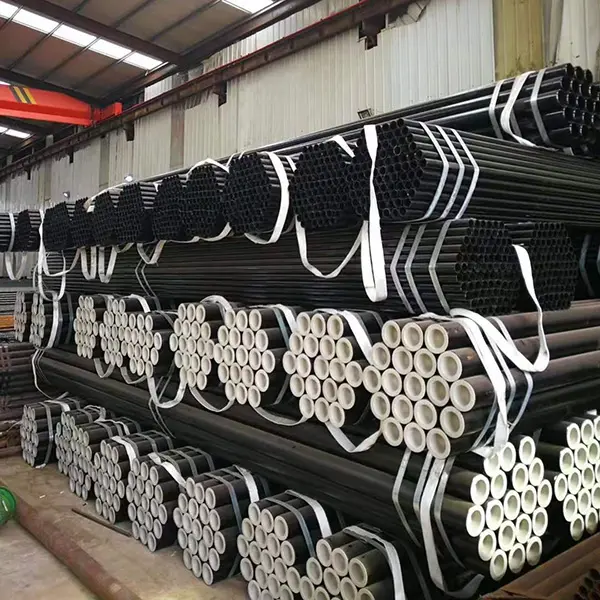
Performance & Engineering
The performance of stainless steel hose pipe is governed by several critical engineering considerations. Force analysis focuses on internal pressure, external loads, and bending moments. Internal pressure induces hoop stress in the hose wall, which must be adequately resisted by the material strength and braiding reinforcement. External loads, such as those from weight or accidental impact, can cause deformation or buckling. Bending moments, resulting from hose curvature, induce tensile and compressive stresses. Environmental resistance is paramount, particularly in corrosive environments. The stainless steel alloy must be compatible with the conveyed fluid to prevent corrosion, erosion, and pitting. Temperature considerations are also vital; elevated temperatures can reduce material strength and accelerate corrosion rates. Compliance requirements vary depending on the application. For example, in the pharmaceutical industry, hoses must meet stringent sanitary standards (e.g., 3-A Sanitary Standards) and be free from leachable contaminants. In the food and beverage industry, similar sanitary requirements apply, alongside regulations concerning food-grade materials. Fatigue life, determined by repeated pressure and bending cycles, is a critical design parameter, particularly in applications involving vibration or pulsation. Proper hose routing and support are essential to minimize stress concentrations and extend service life. Finite element analysis (FEA) is often utilized to optimize hose design and predict performance under various loading conditions.
Technical Specifications
| Parameter | Unit | 304 Stainless Steel Hose | 316L Stainless Steel Hose |
|---|---|---|---|
| Working Pressure | PSI | 2500 | 3000 |
| Burst Pressure | PSI | 7500 | 9000 |
| Temperature Range | °F | -50 to 500 | -50 to 600 |
| Corrugation Diameter | mm | 25.4 | 25.4 |
| Braiding Material | - | 304 SS | 316L SS |
| Tensile Strength | MPa | 517 | 552 |
Failure Mode & Maintenance
Stainless steel hose pipe, while durable, is susceptible to various failure modes. Fatigue cracking, arising from repeated bending and pressure cycles, is a common issue, particularly near fittings or areas of stress concentration. Corrosion, including pitting, crevice corrosion, and stress corrosion cracking, can occur if the hose is exposed to incompatible fluids or harsh environments. Erosion, caused by abrasive particles within the fluid stream, can wear away the inner hose wall. Delamination, a separation of layers within the hose construction, can occur due to poor bonding or material incompatibility. Oxidation at elevated temperatures can also degrade the material's properties. Maintenance involves regular visual inspections for signs of damage, such as cracks, bulges, or corrosion. Pressure testing should be conducted periodically to verify the hose’s integrity. Cleaning with appropriate detergents or solvents is recommended to remove contaminants. Avoid sharp bending radii, which can induce stress concentrations. When replacing a hose, ensure the new hose is compatible with the fluid and operating conditions. Proper installation, including correct fitting torque and alignment, is crucial to prevent premature failure. For applications involving critical fluids or high pressures, consider implementing a preventative maintenance program with scheduled inspections and replacements.
Industry FAQ
Q: What is the primary difference between 304 and 316L stainless steel in hose applications?
A: The key distinction lies in corrosion resistance. 316L contains molybdenum, which significantly enhances its resistance to pitting and crevice corrosion, particularly in chloride-rich environments. While 304 is suitable for general-purpose applications, 316L is preferred for handling corrosive fluids, seawater, or chemicals.
Q: How does hose braiding impact performance?
A: Braiding provides significant reinforcement, increasing the hose's burst pressure and resistance to external damage. The braiding angle and wire diameter directly correlate to pressure capacity and flexibility. A tighter braid angle provides greater strength, while a looser angle offers more flexibility.
Q: What are the consequences of exceeding the working pressure of a stainless steel hose?
A: Exceeding the working pressure can lead to immediate failure, resulting in a burst hose and potential injury. Even if failure doesn't occur immediately, operating above the working pressure significantly reduces the hose’s fatigue life and increases the risk of catastrophic failure.
Q: How can I prevent stress corrosion cracking in stainless steel hoses?
A: Preventing stress corrosion cracking requires careful material selection and proper operating conditions. Using 316L in corrosive environments, avoiding high tensile stresses, and minimizing exposure to chlorides are crucial. Passivation treatment also helps to restore the protective chromium oxide layer.
Q: What is the role of passivation in stainless steel hose manufacturing?
A: Passivation is a chemical treatment that removes free iron from the surface of the stainless steel, creating a chromium-rich oxide layer. This passive layer provides excellent corrosion resistance. It’s essential after welding or any processing that could contaminate the surface.
Conclusion
Stainless steel hose pipe represents a robust and reliable fluid transfer solution, particularly in demanding industrial environments. The selection of the appropriate alloy, construction method, and braiding configuration is critical to ensure optimal performance and longevity. Understanding the material science principles, manufacturing processes, and potential failure modes allows engineers and procurement professionals to make informed decisions, maximizing efficiency and minimizing downtime.
Continued advancements in stainless steel alloys and hose manufacturing technologies promise further improvements in performance and durability. Future developments may focus on enhancing corrosion resistance, reducing weight, and improving flexibility. Adherence to relevant industry standards and best practices remains paramount to ensure the safe and reliable operation of stainless steel hose systems.
