
Introduction
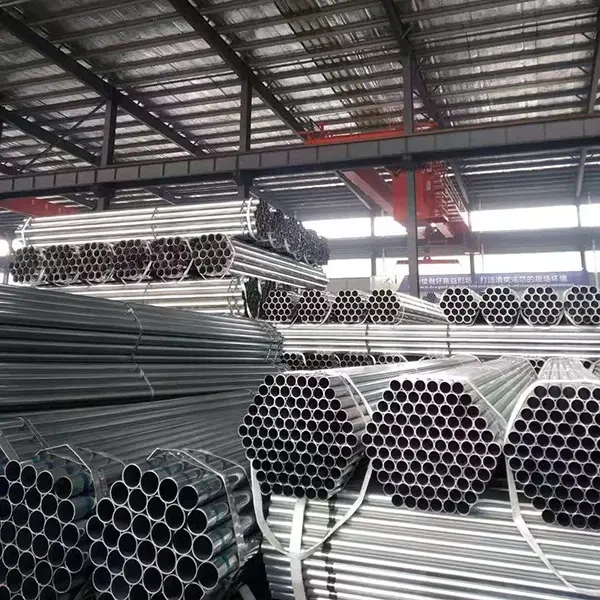
Steel pipes are hollow cylindrical sections manufactured from steel alloys, serving as essential conduits for fluid and gas transport, structural support, and mechanical applications across diverse industries. Positioned within the material supply chain as a semi-finished product, steel pipes represent a critical link between raw material production (iron ore, coal) and end-use fabrication (construction, oil & gas, automotive). Core performance characteristics defining steel pipe suitability include pressure containment capability, corrosion resistance, tensile strength, weldability, and dimensional accuracy. The selection of specific steel grades and manufacturing processes directly influences these characteristics, dictating application suitability and operational lifespan. A significant industry pain point revolves around balancing cost-effectiveness with the need for high-performance alloys capable of withstanding harsh operating environments, particularly in corrosive or high-temperature applications.
Material Science & Manufacturing
The fundamental material for steel pipe production is carbon steel, typically utilizing alloys of iron and carbon. The carbon content, ranging from low (less than 0.25%) to high (over 2.1%), significantly impacts hardness, ductility, and weldability. Alloying elements such as manganese, silicon, chromium, nickel, and molybdenum are added to enhance specific properties like strength, corrosion resistance, and temperature performance. Common steel grades include ASTM A53 (general purpose), A106 (high-temperature service), and API 5L (pipeline applications). Manufacturing processes vary based on pipe diameter, wall thickness, and desired production volume. Seamless pipe is produced via processes like rotary piercing or extrusion, offering superior strength and pressure containment due to the absence of a weld seam. Welded pipe, fabricated from steel plates rolled and longitudinally welded, is more cost-effective for larger diameters and lower pressure applications. Key parameter control during welding involves precise heat input, shielding gas composition, and weld bead geometry to minimize defects such as porosity, slag inclusions, and incomplete fusion. Post-weld heat treatment (PWHT) is often employed to relieve residual stresses and improve mechanical properties. Surface finishing processes, including pickling, oiling, and coating, enhance corrosion resistance and prepare the pipe for subsequent joining or coating operations.
Performance & Engineering
Steel pipe performance is fundamentally governed by principles of stress analysis and material behavior. Under internal pressure, the pipe wall experiences hoop stress, proportional to the pressure and radius, and longitudinal stress, dependent on the wall thickness and pressure. Design calculations must account for these stresses, ensuring they remain below the yield strength of the steel alloy with an appropriate safety factor. Environmental resistance is a critical performance aspect, particularly in corrosive environments. Corrosion mechanisms include uniform corrosion, pitting corrosion, crevice corrosion, and stress corrosion cracking. Material selection and protective coatings (epoxy, polyethylene, galvanization) mitigate corrosion. Tensile strength, yield strength, and elongation determine the pipe’s ability to withstand applied loads without failure. Compliance requirements are dictated by industry-specific standards (API, ASME, ASTM) and regional regulations. For example, pipeline applications require adherence to stringent safety standards regarding material traceability, welding procedures, and non-destructive testing. Finite Element Analysis (FEA) is routinely utilized to model complex stress distributions and optimize pipe designs for specific operating conditions, including seismic loads or dynamic pressure fluctuations. Buckling analysis is crucial for long, slender pipes susceptible to compressive loads.
Technical Specifications
| Steel Grade | Outside Diameter (inches) | Wall Thickness (inches) | Yield Strength (psi) |
|---|---|---|---|
| ASTM A53 Grade B | 0.5 | 0.083 | 36,000 |
| ASTM A106 Grade B | 10 | 0.154 | 35,000 |
| API 5L X42 | 12 | 0.218 | 42,000 |
| API 5L X52 | 20 | 0.280 | 52,000 |
| 304/304L Stainless Steel | 4 | 0.065 | 30,000 |
| 316/316L Stainless Steel | 6 | 0.120 | 30,000 |
Failure Mode & Maintenance
Common failure modes in steel pipes include corrosion-induced failures (uniform corrosion leading to wall thinning, pitting corrosion causing localized perforation, and stress corrosion cracking resulting from tensile stresses and corrosive environments), mechanical failures (fatigue cracking under cyclic loading, ductile rupture under excessive pressure, and brittle fracture at low temperatures), and weld defects (porosity, slag inclusions, incomplete penetration). Fatigue cracking initiates at stress concentrations, such as weld toes or corrosion pits, and propagates under cyclic loading. Delamination can occur in coated pipes due to inadequate coating adhesion or osmotic blistering. Degradation of protective coatings exposes the underlying steel to corrosion. Oxidation at high temperatures can lead to scale formation and material loss. Regular inspection programs utilizing non-destructive testing (NDT) methods like ultrasonic testing (UT), radiographic testing (RT), and magnetic particle inspection (MPI) are essential for detecting defects before they lead to catastrophic failure. Maintenance strategies include corrosion inhibitors, cathodic protection, periodic coating repair, and replacement of severely corroded or damaged pipe sections. Internal cleaning to remove debris and scale buildup is also crucial for maintaining flow capacity and preventing corrosion.
Industry FAQ
Q: What is the difference between seamless and welded pipe and when would you choose one over the other?
A: Seamless pipe is manufactured without a weld seam, providing superior strength and pressure containment, making it ideal for critical applications like high-pressure pipelines and boiler tubes. Welded pipe, produced by rolling and welding steel plates, is generally more cost-effective, particularly for larger diameters. Welded pipe is suitable for lower-pressure applications such as water distribution, structural supports, and some mechanical systems, provided the weld quality meets required standards.
Q: How does the carbon content in steel pipe affect its properties?
A: Higher carbon content increases hardness and tensile strength but decreases ductility and weldability. Low-carbon steel is more ductile and weldable, making it suitable for forming and joining operations. Medium-carbon steel offers a balance of strength and ductility. High-carbon steel is used for applications requiring high wear resistance and hardness.
Q: What are the common methods used to prevent corrosion in steel pipes?
A: Common corrosion prevention methods include applying protective coatings (epoxy, polyethylene, galvanization), utilizing corrosion inhibitors, implementing cathodic protection systems, and selecting corrosion-resistant alloys (stainless steel, duplex stainless steel). Proper design to minimize crevices and stagnant water areas is also crucial.
Q: What is Non-Destructive Testing (NDT) and why is it important for steel pipe inspection?
A: Non-Destructive Testing (NDT) encompasses a range of inspection techniques, such as ultrasonic testing (UT), radiographic testing (RT), magnetic particle inspection (MPI), and liquid penetrant testing (PT), used to evaluate the integrity of steel pipes without causing damage. It’s vital for detecting defects like cracks, porosity, and wall thinning before they lead to failure, ensuring safe and reliable operation.
Q: What is the significance of API 5L specification for pipeline pipes?
A: API 5L is a widely recognized specification for line pipe used in the oil and gas industry. It defines requirements for chemical composition, mechanical properties, manufacturing processes, and testing procedures to ensure the pipe can safely transport oil and gas. Compliance with API 5L is often a regulatory requirement for pipeline projects.
Conclusion
Steel pipes remain a cornerstone of modern infrastructure, providing essential conveyance and structural support across numerous industries. The selection of appropriate steel grades and manufacturing processes is paramount to achieving desired performance characteristics, including pressure containment, corrosion resistance, and mechanical strength. Understanding the potential failure modes and implementing robust inspection and maintenance programs are crucial for ensuring long-term reliability and preventing catastrophic events.
Future trends in steel pipe technology focus on developing high-strength, low-alloy (HSLA) steels with improved weldability and corrosion resistance, exploring advanced coating technologies with enhanced durability, and implementing predictive maintenance strategies based on sensor data and machine learning. Continued innovation in materials science and engineering will drive advancements in steel pipe performance, contributing to safer, more efficient, and sustainable infrastructure systems.
