Introduction
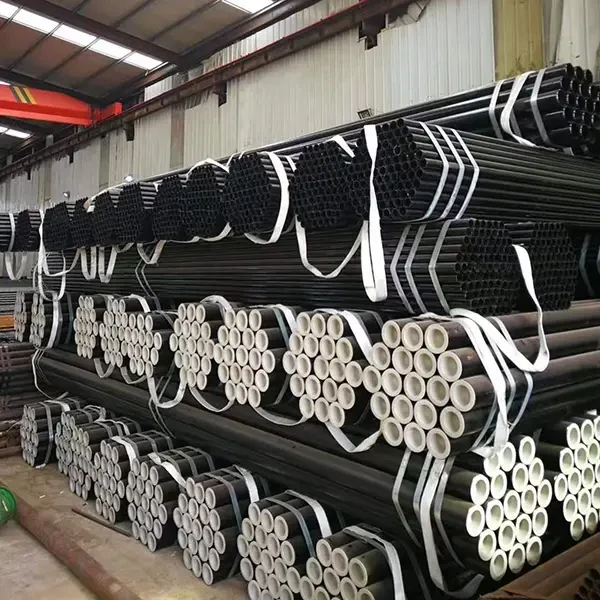
304 stainless steel railing represents a prevalent solution in architectural and industrial applications, valued for its corrosion resistance, aesthetic appeal, and structural integrity. This guide details the technical aspects of 304 stainless steel railing, specifically addressing the factors influencing its price per kilogram, typical applications, and key performance characteristics. Understanding the underlying material science, manufacturing processes, and potential failure modes is critical for informed procurement and long-term durability. The price of 304 stainless steel railing is heavily influenced by global steel market fluctuations, alloy composition verification, manufacturing complexity (e.g., tube diameter, wall thickness, welding requirements), finishing processes, and regional demand. This document will offer a comprehensive exploration of these factors, targeting procurement managers, engineers, and fabricators within the construction and industrial sectors.
Material Science & Manufacturing
304 stainless steel is an austenitic chromium-nickel alloy containing approximately 18-20% chromium, 8-10.5% nickel, and a maximum of 0.08% carbon. The chromium content is primarily responsible for its corrosion resistance, forming a passive chromium oxide layer on the surface. Nickel contributes to its ductility and toughness. Manufacturing of 304 stainless steel railing typically begins with the production of stainless steel billets or blooms through processes like electric arc melting and refining. These are then rolled into sheets, plates, bars, or tubes – the common forms used for railing components. Tube fabrication often involves extrusion or welding of stainless steel strips. Welding is a critical process, commonly employing Gas Tungsten Arc Welding (GTAW) or Gas Metal Arc Welding (GMAW) with appropriate filler metals to maintain corrosion resistance and mechanical properties. Parameter control during welding is paramount; excessive heat input can lead to sensitization (chromium carbide precipitation), reducing corrosion resistance in the heat-affected zone. Finishing processes, including polishing, brushing, or powder coating, further enhance aesthetics and provide additional corrosion protection. The raw material sourcing significantly impacts price. Variations in nickel and chromium prices, and increasingly, molybdenum (often added in small amounts to enhance pitting resistance), dictate the base cost of the alloy. Precise control of chemical composition, verified through techniques like Optical Emission Spectrometry (OES) and X-Ray Fluorescence (XRF), is crucial for quality assurance and price consistency.
Performance & Engineering
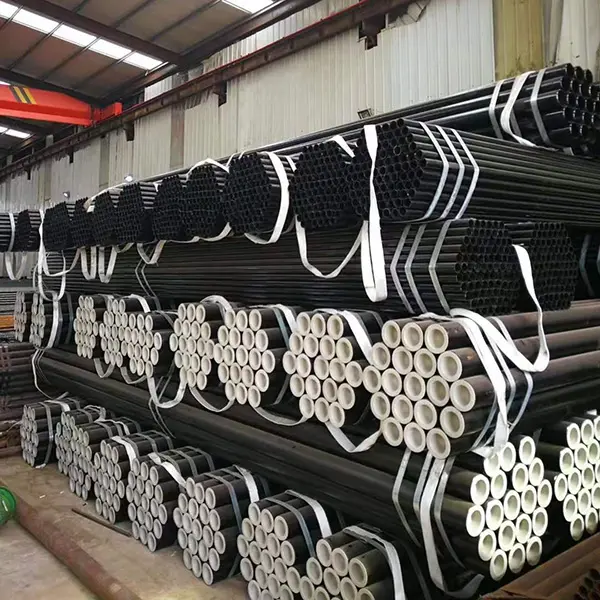
The structural performance of 304 stainless steel railing is governed by its yield strength (typically around 205 MPa), tensile strength (515-725 MPa), and elongation (40-60%). Engineering design must account for anticipated loads, including static loads (weight of people, wind load) and dynamic loads (impact forces). Railing systems are often subjected to force analysis utilizing Finite Element Analysis (FEA) to identify stress concentrations and ensure structural stability. Corrosion resistance is a primary performance criterion. While 304 stainless steel offers excellent resistance to atmospheric corrosion, it’s susceptible to pitting and crevice corrosion in chloride-rich environments (e.g., coastal areas, swimming pools). Electropolishing can enhance corrosion resistance by removing surface imperfections. Environmental resistance also includes UV exposure; prolonged UV radiation can degrade protective coatings applied to the railing. Compliance with building codes and safety standards is essential. In the US, railing systems must meet the requirements of the International Building Code (IBC) regarding load capacity, height, and infill criteria. European standards (EN 13501-4 for reaction to fire) and other regional regulations must also be considered. The diameter and wall thickness of the tubing, the type of welding used, and the quality of surface finishing are all crucial engineering considerations directly impacting performance and price.
Technical Specifications
| Parameter | Unit | Typical Value (304 Stainless Steel) | Impact on Price/kg |
|---|---|---|---|
| Yield Strength | MPa | 205 | Indirectly: Higher strength allows for thinner sections, potentially reducing material cost. |
| Tensile Strength | MPa | 515-725 | Indirectly: Similar to yield strength. |
| Elongation | % | 40-60 | Indicates ductility; influences formability and weldability. |
| Chromium Content | % | 18-20 | Directly: Higher chromium content increases corrosion resistance, increasing alloy cost. |
| Nickel Content | % | 8-10.5 | Directly: Significant contributor to cost due to nickel market fluctuations. |
| Corrosion Rate (in seawater) | mm/year | <0.1 | Indirectly: Higher corrosion resistance translates to longer lifespan and reduced maintenance, impacting lifecycle cost. |
Failure Mode & Maintenance
Common failure modes in 304 stainless steel railing include pitting corrosion (caused by chloride attack), crevice corrosion (occurring in shielded areas), stress corrosion cracking (under sustained tensile stress in corrosive environments), and fatigue cracking (due to cyclic loading). Welding defects, such as incomplete fusion or porosity, can also initiate failure. Surface scratches or damage to the passive layer can create localized corrosion sites. Maintenance is crucial for extending the lifespan of the railing. Regular cleaning with mild soap and water removes contaminants that can promote corrosion. In chloride-rich environments, periodic passivation treatments can restore the protective chromium oxide layer. Inspections should focus on identifying signs of corrosion, cracks, or weld defects. Prompt repair of damaged areas, including re-polishing or re-coating, prevents the progression of corrosion. Avoid abrasive cleaners that can scratch the surface. The price of repair and replacement due to failure significantly outweighs the cost of preventative maintenance. Galvanic corrosion can occur when 304 stainless steel is in contact with dissimilar metals (e.g., carbon steel); using insulating materials between the metals prevents this. Regular tightening of connections is also critical to prevent fatigue failures.
Industry FAQ
Q: What is the typical price range for 304 stainless steel railing per kilogram, and what are the primary factors driving price fluctuations?
A: The price typically ranges from $3 to $7 per kilogram, varying significantly based on market conditions (nickel and chromium prices), form (tube, bar, sheet), quantity purchased, and fabrication complexity. Demand, supply chain disruptions, and tariffs also play a role.
Q: How does the grade of stainless steel (e.g., 304L, 316) impact the price and performance of the railing?
A: 304L (lower carbon content) is slightly more expensive than standard 304 due to the additional processing required. 316 stainless steel, containing molybdenum, offers superior corrosion resistance (particularly in chloride environments) and is significantly more expensive than 304.
Q: What welding techniques are recommended for 304 stainless steel railing, and how do they affect the overall cost?
A: GTAW (TIG) is preferred for its precision and ability to produce high-quality welds with minimal heat input, preserving corrosion resistance. GMAW (MIG) is faster and more cost-effective for larger projects but requires skilled operators to avoid weld defects. Properly executed welding is critical to avoiding failure and will often justify a higher price.
Q: What finishing options are available for 304 stainless steel railing, and how do they impact the price and corrosion resistance?
A: Common finishes include brushed, polished, and powder-coated. Polishing increases cost but enhances aesthetic appeal and can slightly improve corrosion resistance. Powder coating provides a durable, colored finish but can chip or scratch over time. Electropolishing significantly improves corrosion resistance but is the most expensive option.
Q: What are the key considerations when specifying 304 stainless steel railing for outdoor applications in coastal environments?
A: In coastal areas, consider using 316 stainless steel for enhanced chloride resistance. Employ thicker sections to accommodate potential corrosion. Ensure proper drainage to prevent water pooling. Regular cleaning and passivation treatments are essential. Consider sacrificial anodes to protect the railing from galvanic corrosion if in contact with other metals.
Conclusion
304 stainless steel railing represents a cost-effective and durable solution for a wide range of architectural and industrial applications. However, the price per kilogram is influenced by a complex interplay of factors, including raw material costs, manufacturing processes, finishing options, and regional demand. A thorough understanding of the material’s properties, potential failure modes, and appropriate maintenance procedures is crucial for maximizing its lifespan and ensuring long-term structural integrity.
Effective procurement necessitates a comprehensive evaluation of these factors, considering not only the initial cost but also lifecycle costs associated with maintenance, repair, and potential replacement. Prioritizing quality welding, proper surface finishing, and regular inspections significantly mitigates the risk of premature failure, offering a substantial return on investment over the railing’s service life.
