
Introduction
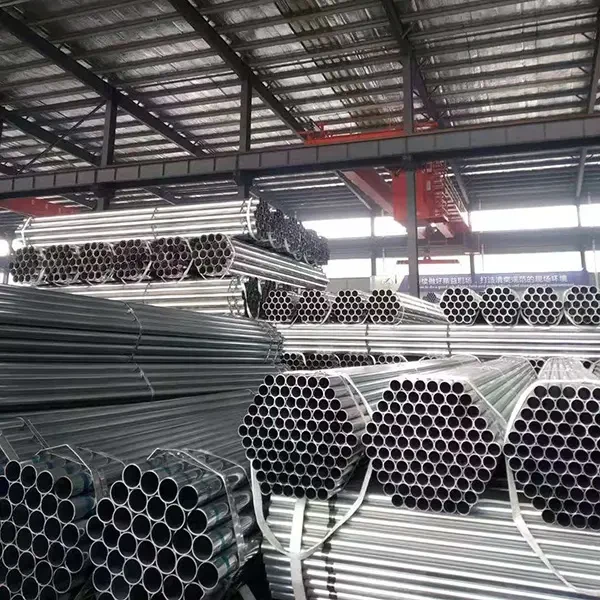
Steel tube material, encompassing seamless and welded varieties, represents a critical component in numerous industrial applications, from structural engineering and fluid conveyance to mechanical systems and energy infrastructure. Positioned within the broader metals industry supply chain, steel tubes are typically produced from steel billets, blooms, or slabs through processes like extrusion, piercing, and rolling. Their core performance characteristics – strength, ductility, corrosion resistance, and dimensional accuracy – dictate their suitability for specific applications. A key industry pain point revolves around consistent material quality, traceability, and adherence to stringent pressure and temperature ratings, particularly in high-stakes sectors like oil & gas and petrochemicals. The demand for lighter, higher-strength steel alloys is also driving innovation and challenging traditional manufacturing techniques. Understanding the nuances of steel tube composition, manufacturing methods, and performance limitations is paramount for engineers and procurement professionals alike.
Material Science & Manufacturing
The foundational material for steel tubes is, of course, steel. Common steel grades employed include carbon steel (ASTM A53, A106), alloy steel (ASTM A335, P11, P22), and stainless steel (304, 316, Duplex). The chemical composition significantly impacts physical properties. Carbon content influences hardness and weldability; alloying elements like chromium, nickel, and molybdenum enhance corrosion resistance and high-temperature strength. Manufacturing processes diverge based on tube type. Seamless tubes are produced by piercing a solid billet and subsequently drawing it through dies to achieve the desired diameter and wall thickness. This method yields tubes with uniform strength and resistance to bursting. Welded tubes, conversely, are fabricated by forming steel strips or plates into cylindrical shapes and then welding the seam. Common welding techniques include Electric Resistance Welding (ERW), submerged arc welding (SAW), and laser welding. Critical parameters during manufacturing include temperature control during heating and cooling, precise die sizing during drawing, and adherence to welding parameters (current, voltage, travel speed) to ensure weld integrity and minimize defects. Post-manufacturing processes, such as normalizing, annealing, and quenching & tempering, are used to refine the microstructure and enhance mechanical properties. Surface treatments like galvanizing or epoxy coating are applied to improve corrosion resistance. Quality control utilizes non-destructive testing (NDT) methods like ultrasonic testing (UT), radiographic testing (RT), and eddy current testing (ET) to detect internal and surface flaws.
Performance & Engineering
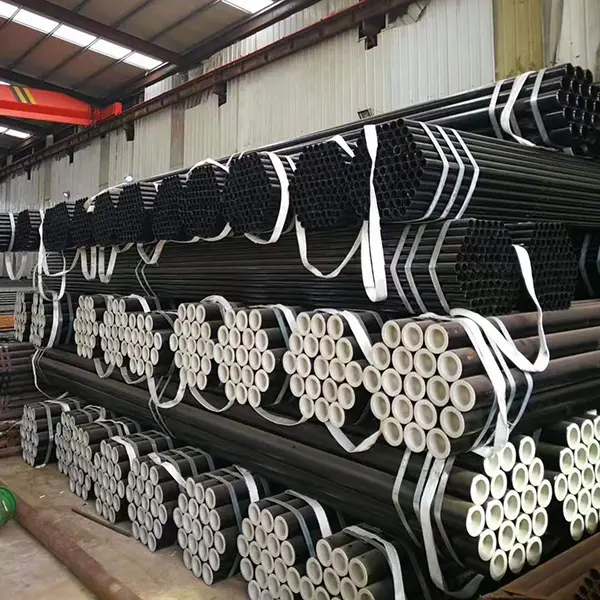
The performance of steel tubes is dictated by a complex interplay of mechanical stresses, environmental factors, and operational conditions. Force analysis is critical in determining the appropriate wall thickness and material grade for a given application. Considerations include internal pressure, external loads, bending moments, and torsional stresses. Buckling analysis is paramount for long, slender tubes subjected to compressive forces. Environmental resistance is another crucial aspect. Corrosion is a major concern, particularly in marine environments or when transporting corrosive fluids. The selection of appropriate steel alloys and protective coatings is essential to mitigate corrosion. Temperature effects also play a significant role. High temperatures can reduce the yield strength and creep resistance of steel, while low temperatures can lead to brittle fracture. Compliance requirements vary depending on the industry and application. Pressure vessels, for example, must adhere to codes like ASME Boiler and Pressure Vessel Code Section VIII Division 1. Pipelines are governed by standards like API 5L and DOT regulations. Functional implementation necessitates careful consideration of welding procedures, joint design, and installation techniques to ensure structural integrity and prevent leaks. Finite Element Analysis (FEA) is increasingly used to simulate stress distributions and optimize tube designs for specific applications.
Technical Specifications
| Parameter | ASTM A53 Grade B (Carbon Steel) | ASTM A335 P11 (Alloy Steel) | 304/304L (Stainless Steel) | API 5L X42 (Line Pipe) |
|---|---|---|---|---|
| Yield Strength (MPa) | 250 | 240 | 205 | 345 |
| Tensile Strength (MPa) | 400 | 415 | 517 | 485 |
| Elongation (%) | 23 | 20 | 30 | 22 |
| Corrosion Resistance | Low | Moderate | High | Moderate (requires coating) |
| Maximum Operating Temperature (°C) | 260 | 425 | 870 | 150 |
| Wall Thickness Range (mm) | 2-25 | 3-60 | 0.5-20 | 3.2-25.4 |
Failure Mode & Maintenance
Steel tubes are susceptible to various failure modes depending on the operating environment and loading conditions. Corrosion is a pervasive threat, leading to pitting, crevice corrosion, and general thinning of the tube wall. Fatigue cracking can occur under cyclic loading, particularly at stress concentrators such as welds or geometric discontinuities. Hydrogen embrittlement can occur in high-strength steels exposed to hydrogen-containing environments, leading to brittle fracture. Erosion-corrosion can occur in fluid transport systems, where high-velocity fluids remove protective corrosion layers. Creep, a time-dependent deformation under constant stress, is a concern at elevated temperatures. Failure analysis often involves fractographic examination to identify the fracture mode and root cause. Maintenance strategies include regular inspection for corrosion and cracks, application of protective coatings, cathodic protection, and periodic hydrostatic testing to verify structural integrity. Welded joints require particularly careful inspection and non-destructive testing to detect weld defects. For critical applications, predictive maintenance techniques, such as acoustic emission monitoring, can be employed to detect early signs of failure. Proper storage and handling are also crucial to prevent damage and corrosion. Regular cleaning to remove debris and contaminants can extend the service life of steel tubes.
Industry FAQ
Q: What are the key differences between seamless and welded steel tubes in terms of pressure handling capability?
A: Seamless tubes generally exhibit higher pressure handling capabilities due to the absence of a weld seam, which can be a potential point of failure. The uniform structure of seamless tubes provides superior strength and resistance to bursting under pressure. While modern welding techniques have significantly improved the integrity of welded tubes, seamless tubes remain the preferred choice for critical high-pressure applications.
Q: How does the carbon equivalent (CE) value impact the weldability of a steel tube?
A: The carbon equivalent (CE) value, calculated based on the chemical composition of the steel, is a predictor of its weldability. Higher CE values indicate a greater tendency for hardening during welding, which can lead to cracking. Lower CE values generally result in better weldability and reduced risk of cracking. Preheating and post-weld heat treatment are often employed to mitigate the effects of high CE values.
Q: What is the significance of NACE MR0175/ISO 15156 in selecting steel tubes for sour service applications?
A: NACE MR0175/ISO 15156 is a widely recognized standard that specifies the requirements for materials used in sour service environments, which contain hydrogen sulfide (H2S). This standard dictates the acceptable material grades and hardness limits to prevent sulfide stress cracking (SSC). Selecting steel tubes that comply with NACE MR0175/ISO 15156 is crucial to ensure the long-term reliability and safety of systems operating in sour service.
Q: What are the common methods for detecting corrosion in steel tubes without interrupting operation?
A: Common non-destructive testing (NDT) methods for detecting corrosion include ultrasonic thickness testing (UTT), radiographic testing (RT), and eddy current testing (ET). UTT measures the remaining wall thickness, allowing for the identification of corrosion thinning. RT uses X-rays to reveal internal corrosion. ET detects surface and near-surface corrosion. Guided wave ultrasonics can also be used to inspect long lengths of tubing from a single access point.
Q: What role does normalizing play in improving the properties of steel tubes?
A: Normalizing is a heat treatment process that refines the grain structure of steel, resulting in improved toughness, ductility, and machinability. It also relieves internal stresses induced during manufacturing. Normalizing is often performed on steel tubes to enhance their mechanical properties and prepare them for subsequent processing, such as cold drawing or welding.
Conclusion
Steel tube material remains an indispensable component across a vast spectrum of industries, its performance dictated by a complex interplay of material science, manufacturing processes, and operational parameters. Understanding the nuances of steel alloy selection, the strengths and limitations of different manufacturing techniques (seamless vs. welded), and the potential failure modes is crucial for ensuring structural integrity and optimizing service life. Continued advancements in materials science, coupled with sophisticated NDT techniques and predictive maintenance strategies, will further enhance the reliability and longevity of steel tube systems.
Future trends indicate a growing demand for high-strength, lightweight steel alloys, driven by the need for increased efficiency and reduced carbon footprint. The integration of digital technologies, such as sensor networks and data analytics, will enable real-time monitoring of tube performance and proactive maintenance interventions. Adherence to stringent international standards and best practices in manufacturing and inspection will remain paramount to ensuring the safety and reliability of steel tube applications worldwide.