
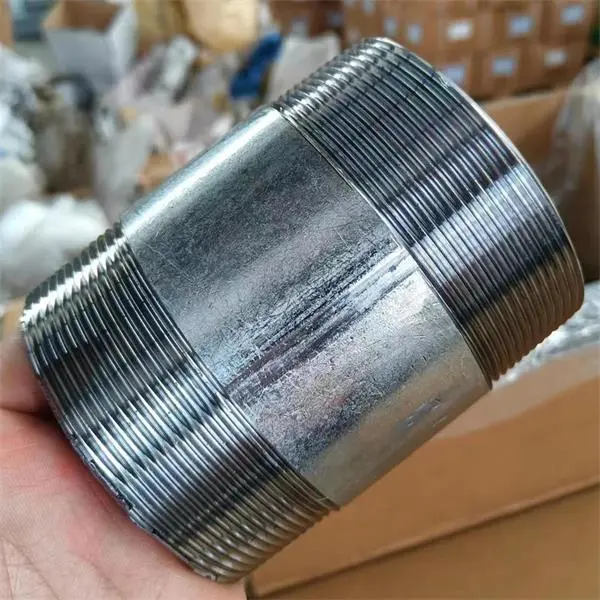
Introduction
Steel tubes represent a fundamental component in a diverse range of industrial applications, serving as conduits for fluids, structural supports, and critical elements in mechanical systems. This guide details the technical aspects of steel tubes, encompassing material science, manufacturing processes, performance characteristics, failure modes, and relevant industry standards. Steel tube suppliers play a critical role in the supply chain, and understanding the nuances of their products is vital for engineers, procurement professionals, and quality control personnel. The performance of these tubes is dictated by factors like chemical composition, manufacturing techniques, and adherence to stringent quality control measures. A key industry pain point revolves around selecting the appropriate steel grade and dimensions for specific applications to ensure longevity, safety, and cost-effectiveness. This document aims to provide a comprehensive understanding of these considerations.
Material Science & Manufacturing
The primary raw material for steel tube production is, naturally, steel. The specific grade of steel dictates the tube’s properties. Common materials include carbon steel (ASTM A53 Grade B, A106 Grade B), alloy steel (ASTM A335 P11, P22), and stainless steel (304/304L, 316/316L). Carbon steel offers high strength and weldability, making it suitable for general-purpose applications. Alloy steels introduce elements like chromium and molybdenum to enhance high-temperature strength and creep resistance, critical for power generation and petrochemical industries. Stainless steels provide superior corrosion resistance, essential for hygienic and aggressive chemical environments. Manufacturing typically involves several processes. Seamless tubes are produced via processes like Electric Resistance Welding (ERW), Longitudinal Submerged Arc Welding (LSAW), and extrusion. ERW involves forming a tube from steel strip and welding the seam using electric resistance. LSAW utilizes a submerged arc welding process on longitudinally formed plates, offering high strength for large-diameter tubes. Key parameters controlled during manufacturing include wall thickness, diameter, ovality, and straightness. Heat treatment, such as annealing and normalizing, is crucial for refining the grain structure and improving mechanical properties. Chemical composition is tightly controlled to meet specified standards, impacting weldability and corrosion resistance. Hydrogen embrittlement is a critical concern during welding; low-hydrogen welding techniques and post-weld heat treatment are employed to mitigate this risk.
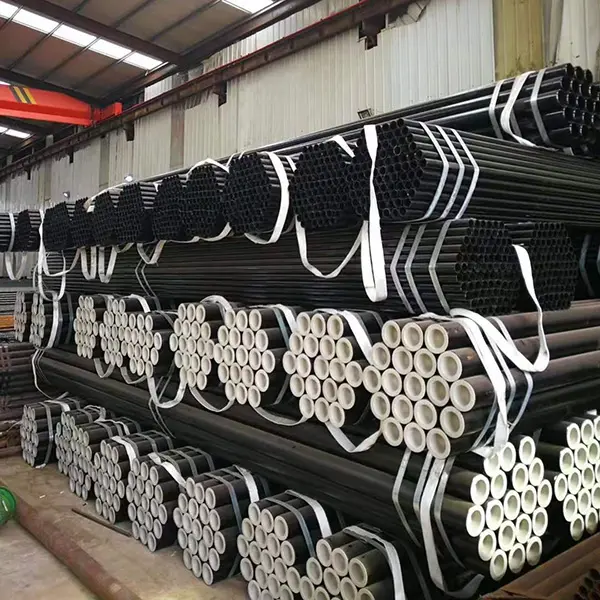
Performance & Engineering
The performance of steel tubes is evaluated based on several engineering parameters. Burst pressure, calculated using Barlow’s formula (P = 2St/D, where P is pressure, S is tensile strength, t is wall thickness, and D is diameter), determines the tube’s ability to withstand internal pressure. Yield strength, typically measured through tensile testing (ASTM A370), indicates the load at which the tube begins to deform permanently. Tensile strength represents the maximum load the tube can bear before fracturing. Corrosion resistance is assessed through salt spray testing (ASTM B117) and electrochemical techniques. Fatigue life, vital for cyclically loaded applications, is determined through S-N curve analysis. For applications involving dynamic loads, impact testing (Charpy V-notch, ASTM E23) is performed to evaluate the tube’s resistance to brittle fracture. Compliance with industry standards like ASME B31.3 (Process Piping) and API 5L (Line Pipe) is paramount. Stress analysis, using finite element methods (FEM), is often employed to predict tube behavior under complex loading conditions. Factors such as temperature and corrosive environments must be considered in the design and material selection process. Creep, the tendency of a solid material to deform permanently under sustained stress, is a critical consideration for high-temperature applications. The selection of appropriate protective coatings, such as epoxy or polyurethane, can further enhance corrosion resistance and extend the tube’s service life.
Technical Specifications
| Steel Grade | Outer Diameter (mm) | Wall Thickness (mm) | Yield Strength (MPa) |
|---|---|---|---|
| ASTM A53 Grade B | 219.1 | 6.35 | 250 |
| ASTM A335 P11 | 114.3 | 8.7 | 240 |
| 304/304L | 38.1 | 2.62 | 205 |
| 316/316L | 50.8 | 3.38 | 210 |
| API 5L X42 | 101.6 | 7.11 | 345 |
| API 5L X65 | 152.4 | 9.53 | 450 |
Failure Mode & Maintenance
Steel tubes are susceptible to various failure modes. Corrosion, whether uniform or localized (pitting, crevice, galvanic), is a primary cause of failure, especially in corrosive environments. Fatigue cracking can occur under cyclical loading, initiating at stress concentrators like welds or dents. Erosion-corrosion results from the combined action of abrasive particles and corrosive fluids. Hydrogen embrittlement, as mentioned previously, can lead to brittle fracture. Creep rupture is a concern at elevated temperatures. Welding defects, such as porosity, inclusions, and lack of fusion, can compromise the tube’s integrity. Regular inspection is vital for detecting potential issues. Non-destructive testing (NDT) methods, including ultrasonic testing (UT), radiographic testing (RT), and magnetic particle inspection (MPI), are commonly employed. Visual inspection for signs of corrosion or damage is also crucial. Preventative maintenance includes applying protective coatings, implementing cathodic protection, and controlling fluid velocity to minimize erosion. For pressurized systems, regular hydrostatic testing is recommended to verify the tube’s pressure-holding capacity. Proper storage to prevent rust formation is also essential. If cracks or significant corrosion are detected, the tube should be replaced immediately. Detailed failure analysis, employing techniques like fractography, can help identify the root cause of failure and prevent future occurrences.
Industry FAQ
Q: What is the difference between seamless and welded steel tubes, and when should each be used?
A: Seamless tubes are manufactured without a weld seam, offering superior strength and resistance to pressure and corrosion. They are typically used in critical applications like high-pressure pipelines and boiler tubes. Welded tubes, on the other hand, are more cost-effective and readily available in larger diameters. They are suitable for less demanding applications like structural supports and low-pressure fluid transport, provided the weld quality is rigorously controlled and inspected.
Q: How does the chemical composition of a steel tube affect its weldability?
A: The carbon equivalent (CE) value, calculated based on the steel’s chemical composition, is a key indicator of weldability. Higher CE values generally indicate lower weldability due to increased susceptibility to cracking. Alloying elements like chromium, nickel, and molybdenum also influence weldability. Steel suppliers provide data sheets detailing the chemical composition and CE value for each grade.
Q: What is the impact of wall thickness on the burst pressure of a steel tube?
A: Burst pressure is directly proportional to wall thickness, as defined by Barlow’s formula (P = 2St/D). Increasing the wall thickness significantly increases the tube’s ability to withstand internal pressure. However, thicker walls also increase the tube’s weight and cost.
Q: What are the common methods for preventing corrosion in steel tubes?
A: Common methods include applying protective coatings (epoxy, polyurethane), using corrosion inhibitors in the fluid transported, implementing cathodic protection (sacrificial anodes or impressed current), and selecting corrosion-resistant materials like stainless steel or alloy steel. Proper surface preparation before coating application is critical for ensuring long-term protection.
Q: How often should steel tubes be inspected, and what types of inspections are recommended?
A: The inspection frequency depends on the application and the severity of the operating environment. Regular visual inspections should be conducted at least annually. More frequent NDT inspections (UT, RT, MPI) are recommended for critical applications or in corrosive environments. Hydrostatic testing should be performed periodically to verify pressure-holding capacity.
Conclusion
The selection and utilization of steel tubes demand a thorough understanding of material science, manufacturing processes, and performance characteristics. Optimizing tube performance requires careful consideration of factors like steel grade, wall thickness, corrosion resistance, and potential failure modes. Adhering to relevant industry standards and implementing robust inspection and maintenance programs are crucial for ensuring the long-term reliability and safety of steel tube systems. Proper material selection, based on application-specific requirements, is paramount to achieving optimal performance and minimizing lifecycle costs.
Future trends in steel tube technology will likely focus on the development of advanced materials with enhanced corrosion resistance and strength, as well as the implementation of sophisticated NDT techniques for improved defect detection. Furthermore, advancements in welding technology will continue to enhance the quality and reliability of welded tubes, expanding their range of applications. Continued research and development in these areas will drive innovation and contribute to the long-term sustainability of the steel tube industry.
