
Introduction
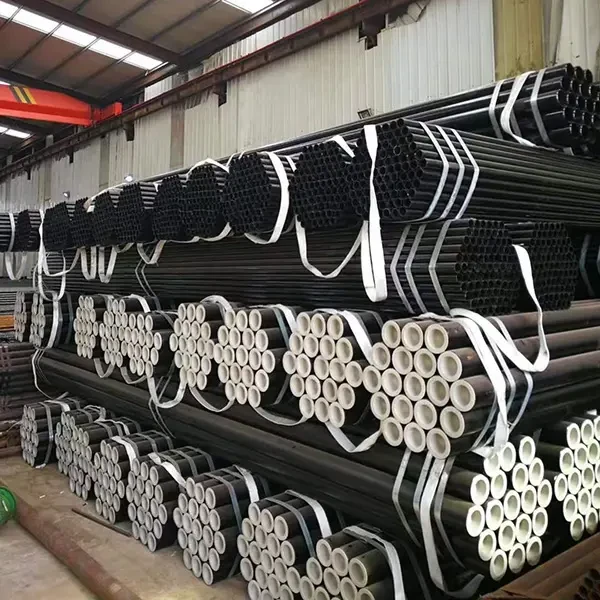
Steel water pipe constitutes a critical component of fluid transport infrastructure, serving diverse applications ranging from municipal water distribution networks to industrial process piping and fire suppression systems. Its technical position within the industry chain resides as a finished product resulting from a complex series of processes including iron ore mining, steelmaking, forming, and coating. Unlike polymeric alternatives, steel offers superior mechanical strength, temperature resistance, and longevity, albeit with inherent considerations regarding corrosion. Core performance characteristics are defined by pressure rating, diameter, wall thickness, and material composition, directly influencing its suitability for specific operating conditions. A critical pain point within the industry revolves around long-term corrosion prevention, particularly in aggressive soil or water chemistries, necessitating robust protective coatings and cathodic protection strategies. Furthermore, maintaining consistent weld quality during installation and repair represents another significant challenge demanding skilled labor and adherence to stringent welding standards. The increasing focus on sustainable infrastructure also drives demand for more durable and recyclable pipe materials, placing emphasis on steel’s inherent recyclability and lifespan potential.
Material Science & Manufacturing
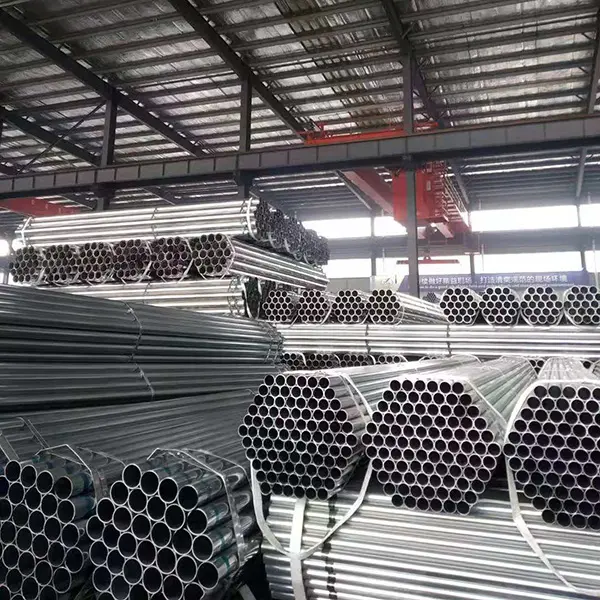
The dominant material for steel water pipe is carbon steel, typically conforming to ASTM A53 Grade B or API 5L specifications. Carbon steel’s properties are dictated by its carbon content, influencing hardness, strength, and weldability. Lower carbon content results in improved ductility and weldability, while higher carbon content increases strength but reduces ductility. The raw material, iron ore, undergoes a blast furnace process to produce pig iron, which is subsequently refined into steel through basic oxygen steelmaking or electric arc furnace methods. Key alloying elements, such as manganese, silicon, and phosphorus, are added to modify specific properties. Manufacturing processes predominantly involve seamless or welded pipe production. Seamless pipe is created by piercing a solid billet of steel, offering superior strength and resistance to burst pressures. Welded pipe is produced by forming steel plates into cylindrical shapes and joining them via electric resistance welding (ERW), submerged arc welding (SAW), or high-frequency induction welding (HFIW). Critical parameters during manufacturing include temperature control during forming, precise weld parameter settings (voltage, current, travel speed), and non-destructive testing (NDT) – including ultrasonic testing (UT), radiographic testing (RT), and hydrostatic testing – to ensure structural integrity. Post-manufacturing, pipes are typically coated with zinc (galvanizing), epoxy, polyethylene, or polyurethane to provide corrosion protection. The coating process requires meticulous surface preparation (sandblasting) and controlled application parameters (coating thickness, curing temperature) to ensure adhesion and long-term performance.
Performance & Engineering
The performance of steel water pipe is fundamentally governed by its ability to withstand internal pressure and external loads. Force analysis involves calculating hoop stress (tangential stress) and longitudinal stress resulting from internal pressure, using equations derived from Lamé’s theory. Wall thickness is a primary factor in determining the pipe’s pressure rating; thicker walls provide greater resistance to hoop stress. External loads, such as soil overburden, traffic loads, and seismic forces, require consideration of bending stresses and buckling resistance. Environmental resistance is paramount, particularly concerning corrosion. Galvanic corrosion can occur when steel is in contact with dissimilar metals, necessitating the use of dielectric fittings or sacrificial anodes. Microbiologically influenced corrosion (MIC) can also degrade steel in certain environments. Compliance requirements are dictated by industry standards (see footer) and local regulations, specifying minimum wall thickness, material grades, coating requirements, and testing procedures. Functional implementation considerations include pipe support spacing, expansion and contraction allowances (using expansion joints or flexible couplings), and proper grounding to mitigate stray current corrosion. Furthermore, the design must consider water hammer – the pressure surge caused by sudden changes in flow rate – which can induce significant stress on the pipe system. Surge protection devices are often integrated to mitigate water hammer effects.
Technical Specifications
| Parameter | ASTM A53 Grade B | API 5L X42 | API 5L X65 | Coating Type |
|---|---|---|---|---|
| Yield Strength (MPa) | 250 | 345 | 450 | Epoxy |
| Tensile Strength (MPa) | 400 | 485 | 570 | Polyethylene |
| Wall Thickness (mm) | 6.4 - 12.7 | 6.4 - 25.4 | 6.4 - 25.4 | Zinc (Galvanized) |
| Outside Diameter (mm) | 21.3 - 660.4 | 21.3 - 1219.2 | 21.3 - 1219.2 | Polyurethane |
| Corrosion Rate (mm/year) | 0.05-0.2 (Uncoated) | 0.05-0.2 (Uncoated) | 0.05-0.2 (Uncoated) | 0.001-0.01 (Coated) |
| Hydrostatic Test Pressure (MPa) | 15.5 | 18.6 | 20.7 | N/A |
Failure Mode & Maintenance
Steel water pipe is susceptible to several failure modes. Corrosion, as previously discussed, is a primary cause of failure, leading to pitting, uniform thinning, and eventual perforation. Fatigue cracking can occur under cyclic loading, particularly at weld joints or areas of stress concentration. Stress corrosion cracking (SCC) results from the combined action of tensile stress and a corrosive environment. Delamination of coatings can compromise corrosion protection, accelerating the degradation process. Oxidation at high temperatures can reduce the pipe’s wall thickness and mechanical strength. Failure analysis typically involves visual inspection, non-destructive testing (UT, RT, eddy current testing), and metallurgical examination of fractured surfaces. Maintenance strategies include regular inspection for corrosion, coating damage, and signs of leakage. Cathodic protection (sacrificial anodes or impressed current systems) can mitigate corrosion. Internal cleaning and pigging operations remove scale and debris, preventing blockages and improving flow efficiency. Weld repairs must be performed by qualified welders following established welding procedures. In cases of severe corrosion or damage, pipe replacement may be necessary. Regular pressure testing ensures the integrity of the pipeline and identifies potential leaks before they escalate into major failures.
Industry FAQ
Q: What is the significance of the yield strength specification in steel water pipe?
A: Yield strength represents the stress level at which the steel begins to deform permanently. A higher yield strength indicates greater resistance to deformation under load, crucial for maintaining the integrity of the pipeline under internal pressure and external forces. Selecting a pipe with appropriate yield strength is critical for preventing buckling or collapse.
Q: How does the choice of coating affect the lifespan of steel water pipe?
A: The coating serves as a primary barrier against corrosion, significantly extending the lifespan of the pipe. Epoxy coatings offer good chemical resistance, while polyethylene provides excellent adhesion and abrasion resistance. Zinc galvanizing provides sacrificial protection. The effectiveness of the coating depends on proper surface preparation, application thickness, and resistance to mechanical damage.
Q: What are the key considerations for welding steel water pipe?
A: Welding requires careful selection of welding procedures, filler metals, and qualified welders. Proper preheating and post-weld heat treatment can minimize residual stresses and prevent cracking. Non-destructive testing (radiographic, ultrasonic) is essential to verify weld quality and detect defects.
Q: What are the potential consequences of neglecting cathodic protection?
A: Neglecting cathodic protection in corrosive environments can lead to accelerated corrosion rates, resulting in wall thinning, leaks, and ultimately, pipeline failure. Cathodic protection provides a cost-effective means of mitigating corrosion and extending the service life of the pipeline.
Q: How frequently should inspections be conducted on a steel water pipeline?
A: Inspection frequency depends on the operating environment, soil conditions, and water chemistry. A risk-based inspection program, incorporating visual inspections, non-destructive testing, and corrosion monitoring, is recommended. Initial inspections should be more frequent, with intervals adjusted based on the inspection findings.
Conclusion
Steel water pipe remains a foundational element in water infrastructure due to its inherent strength, durability, and recyclability. Successful implementation necessitates a comprehensive understanding of material science, manufacturing processes, and engineering principles related to pressure containment, corrosion prevention, and long-term performance. Selecting the appropriate material grade, coating system, and installation practices are critical for mitigating potential failure modes and maximizing the service life of the pipeline.
Looking forward, innovations in coating technologies, such as self-healing coatings and graphene-based coatings, promise to further enhance corrosion resistance. Advancements in non-destructive testing methods will enable more accurate assessment of pipeline integrity, facilitating proactive maintenance and preventing catastrophic failures. The continued emphasis on sustainable infrastructure will drive the development of more environmentally friendly steelmaking processes and promote the responsible recycling of steel water pipe at the end of its service life.