

Introduction
Tube and pipe represent fundamental components in numerous industrial applications, spanning sectors like oil & gas, construction, automotive, and chemical processing. While often used interchangeably, a technical distinction exists. Tube typically refers to precise dimensions and tighter tolerances, often used for pressure applications and intricate assemblies. Pipe, conversely, is generally defined by nominal size, prioritizing flow capacity and structural integrity. Price fluctuations are heavily influenced by raw material costs (primarily steel, but also copper, stainless steel, and polymers), manufacturing processes, grade selection, dimensions (diameter and wall thickness), and prevailing market conditions. This guide provides an in-depth examination of these factors, alongside material science, manufacturing techniques, performance characteristics, failure modes, and industry standards related to tube and pipe pricing and selection.
Material Science & Manufacturing
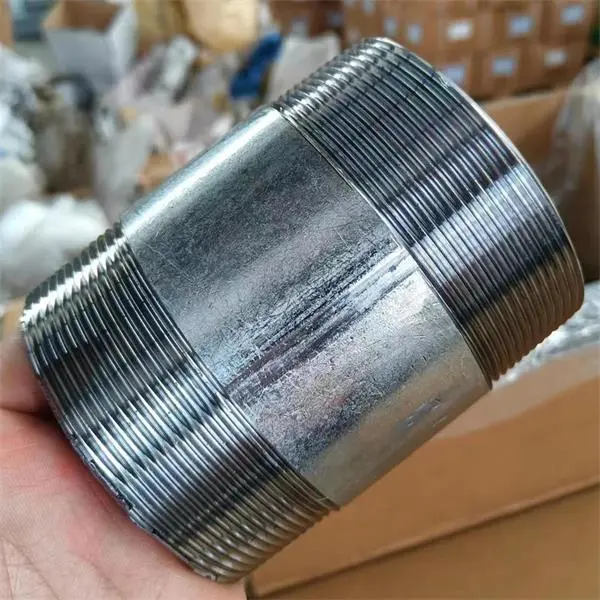
The materials utilized in tube and pipe production dictate both performance and cost. Carbon steel, in various grades (A53, A106), is the most prevalent due to its cost-effectiveness and weldability. However, applications demanding higher corrosion resistance necessitate alloy steels (e.g., chromium-molybdenum alloys, such as P11, P22), stainless steels (304/304L, 316/316L), or non-ferrous materials like copper and aluminum. Manufacturing processes vary depending on material and required dimensions. Seamless tube and pipe are produced via extrusion, piercing, or rotary forging. These methods inherently create a stronger, more uniform product, commanding a higher price. Welded tube and pipe, utilizing Electric Resistance Welding (ERW), High-Frequency Induction Welding (HFIW), or submerged arc welding (SAW), offer cost advantages but require rigorous non-destructive testing (NDT) – radiographic, ultrasonic, and eddy current – to ensure weld integrity. For plastic tubes (PVC, CPVC, HDPE), extrusion and injection molding are common. Parameter control, particularly during welding, is critical. Heat input, welding speed, and shielding gas composition directly influence the weld’s microstructure, mechanical properties, and susceptibility to corrosion. Surface finishing processes, such as galvanizing or epoxy coating, add to the cost but enhance corrosion protection.
Performance & Engineering
Performance characteristics are paramount in tube and pipe applications. Critical parameters include yield strength, tensile strength, elongation, impact toughness (Charpy V-notch), and corrosion resistance (measured via salt spray testing and electrochemical polarization). For pressure applications, hydrostatic testing is mandatory to verify the structural integrity of the tube or pipe under specified operating pressures. Force analysis must account for internal pressure, external loads, bending moments, and thermal stresses. Creep rupture resistance is a vital consideration at elevated temperatures, particularly in power generation and petrochemical industries. Environmental resistance encompasses factors like UV degradation (for plastic tubes), galvanic corrosion (when dissimilar metals are in contact), and erosion-corrosion (in fluid transport systems). Compliance requirements vary by industry and region. For instance, ASME B31.3 governs pressure piping, while API 5L specifies requirements for line pipe used in the oil and gas sector. Proper material selection, wall thickness calculation (based on pressure, diameter, and allowable stress), and adherence to relevant codes and standards are crucial to ensure safe and reliable operation. Fatigue life prediction is also a key engineering consideration for cyclically loaded systems.
Technical Specifications
| Material Grade | Outer Diameter (inches) | Wall Thickness (inches) | Yield Strength (psi) |
|---|---|---|---|
| A53 Grade B | 0.5 | 0.083 | 36,000 |
| A106 Grade B | 2 | 0.154 | 35,000 |
| 304/304L Stainless Steel | 1 | 0.065 | 30,000 |
| X42 Line Pipe | 4 | 0.218 | 42,000 |
| Schedule 80 PVC | 0.75 | 0.095 | 6,000 |
| Copper Type L | 0.625 | 0.065 | 24,000 |
Failure Mode & Maintenance
Tube and pipe failures can manifest in several forms. Corrosion, both localized (pitting, crevice corrosion) and general, is a prevalent failure mode, particularly in corrosive environments. Erosion-corrosion accelerates material loss due to the combined effect of fluid flow and corrosive agents. Fatigue cracking can occur under cyclic loading, initiating at stress concentrators (weld defects, dents, corrosion pits). Stress corrosion cracking (SCC) arises from the synergistic effect of tensile stress and a specific corrosive environment. For plastic tubes, UV degradation can lead to embrittlement and cracking. Weld defects – porosity, slag inclusions, incomplete fusion – significantly reduce the structural integrity of welded tube and pipe. Maintenance strategies include regular inspections (visual, ultrasonic testing, radiographic testing), corrosion monitoring (using coupons or electrochemical sensors), protective coatings (painting, galvanizing, epoxy coating), and cathodic protection. Pressure testing should be performed periodically to verify system integrity. Proper cleaning and flushing can remove debris and prevent blockage. Prompt repair or replacement of damaged sections is crucial to prevent catastrophic failure.
Industry FAQ
Q: What is the primary driver of price fluctuations for stainless steel tube and pipe?
A: The price of stainless steel is heavily influenced by the cost of alloying elements, primarily nickel and chromium. Geopolitical factors affecting the supply of these elements, global steel demand, and energy costs all contribute to price volatility. Furthermore, surcharges related to nickel content are often applied, fluctuating based on the London Metal Exchange (LME) nickel price.
Q: How do seamless vs. welded pipes differ in price and application?
A: Seamless pipes are generally more expensive than welded pipes due to the more complex manufacturing process. They are preferred for high-pressure applications, critical services, and situations where a uniform, defect-free structure is paramount. Welded pipes offer a cost-effective alternative for lower-pressure applications and where rigorous NDT is performed to ensure weld quality.
Q: What role do international standards play in determining tube and pipe pricing?
A: Compliance with international standards (API, ASME, ASTM, ISO) adds to the cost of tube and pipe due to the required testing, documentation, and quality control procedures. However, adherence to these standards is essential for ensuring product safety, reliability, and interchangeability. Certification fees and traceability requirements also impact pricing.
Q: How does wall thickness affect the price of carbon steel pipe?
A: Wall thickness has a significant impact on price. Thicker walls require more material and often necessitate more stringent manufacturing processes. The relationship isn’t linear; as wall thickness increases, the price increases disproportionately due to the increased material volume and potential forming challenges.
Q: What are the key considerations when specifying tube versus pipe for a particular application?
A: Tube is generally specified for precise dimensions and close tolerances, often in instrumentation, hydraulic systems, and heat exchangers. Pipe is specified for fluid transport and structural applications where flow capacity and pressure containment are primary concerns. Consider pressure requirements, fluid compatibility, temperature, and the need for welding or threading when making this determination.
Conclusion
The pricing of tube and pipe is a multifaceted issue dictated by a complex interplay of material costs, manufacturing processes, performance requirements, and industry standards. Understanding these factors is critical for informed procurement decisions and ensuring the long-term reliability and safety of industrial systems. The selection process requires a detailed analysis of the application’s specific demands, considering not only initial cost but also lifecycle costs associated with maintenance, repair, and potential failure.
Looking forward, advancements in materials science – such as the development of high-strength, lightweight alloys and corrosion-resistant coatings – are expected to influence tube and pipe pricing and performance. Furthermore, increased emphasis on sustainability will drive demand for materials with lower embodied carbon and improved recyclability. A proactive approach to material selection and maintenance, coupled with adherence to rigorous quality control standards, will be essential for mitigating risk and optimizing the value of tube and pipe investments.
