
a check valve
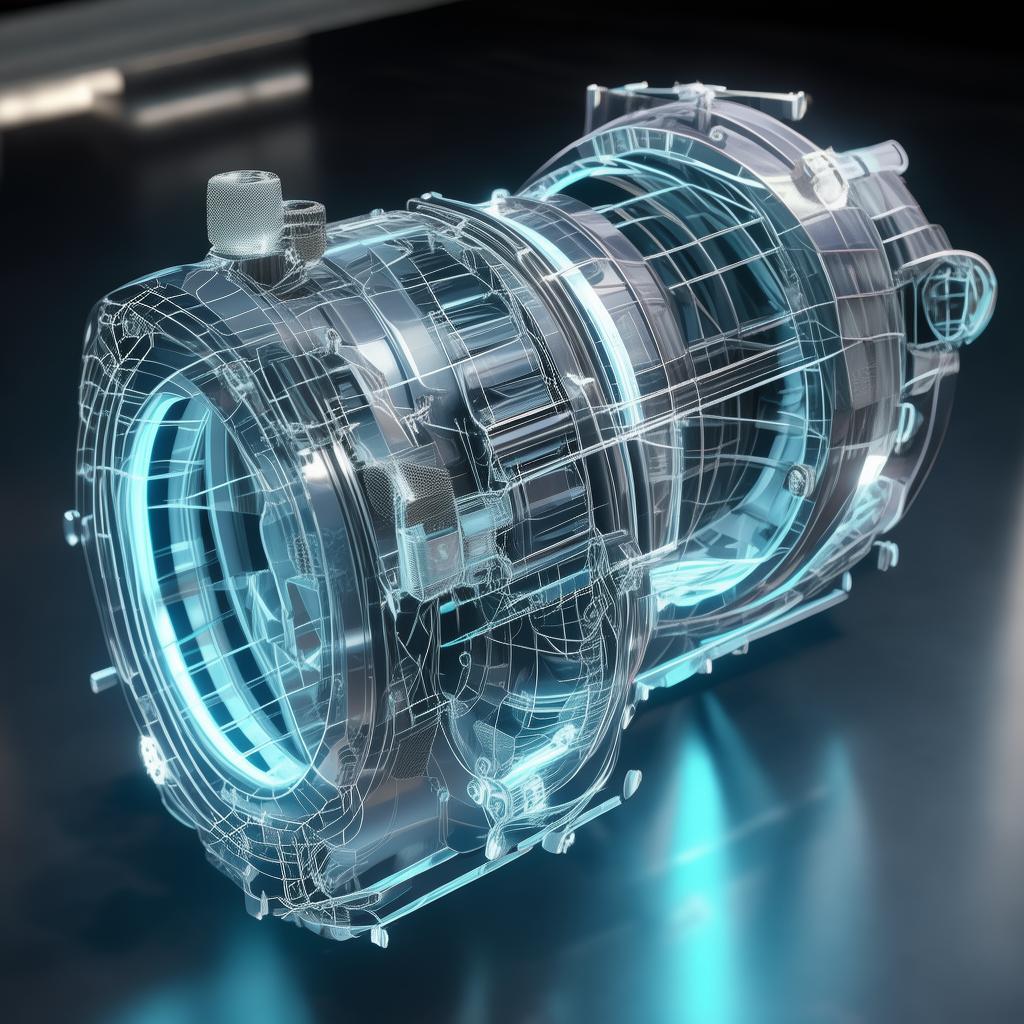

A Check Valve
Product Overview
A check valve is an essential component in various industrial systems, designed to prevent backflow and ensure that fluids flow in one direction. These valves are crucial for maintaining system integrity and efficiency, particularly in applications involving pumps, pipelines, and hydraulic systems. By utilizing a check valve, industries can safeguard their processes against potential damage caused by reverse flow, thereby enhancing operational reliability.
Key Features
- One-Way Flow Control: Ensures that fluids only flow in a predetermined direction, preventing backflow.
- Durable Construction: Made from high-quality materials such as stainless steel, bronze, and PVC, ensuring longevity and resistance to corrosion.
- Variety of Designs: Available in different configurations, including swing, lift, and ball check valves, to suit various applications.
- Low Maintenance: With a simple design, a check valve requires minimal maintenance, reducing operational costs.
- Versatile Applications: Suitable for water, oil, gas, and other industrial fluids, making it a versatile choice for multiple sectors.
Technical Specifications
| Specification | Details |
|---|---|
| Size Range | 1/2" to 12" |
| Pressure Rating | Up to 300 PSI |
| Temperature Range | -20°F to 250°F |
| Material Options | Stainless Steel, Brass, PVC |
| Connection Type | Threaded, Flanged, Socket Weld |
| Standards Compliance | ANSI, API, ISO |
Application Scenarios
A check valve is utilized across various industries, including:
- Water Treatment: To prevent backflow in pumping stations and treatment plants.
- Oil and Gas: Essential in pipeline systems to protect against reverse flow that could lead to leaks or spills.
- HVAC Systems: Employed in heating and cooling systems to maintain flow direction and pressure.
- Manufacturing: Used in chemical processing to ensure safe and effective fluid handling.
- Food and Beverage: Ensures sanitary transfer of liquids while preventing contamination.
Advantages
The use of a check valve comes with numerous advantages, including:
- Enhanced System Protection: By preventing backflow, a check valve protects pumps and other equipment from potential damage.
- Increased Efficiency: A check valve helps maintain optimal flow rates and pressure levels, improving overall system performance.
- Cost-effectiveness: With their durable construction and low maintenance requirements, a check valve offers long-term savings for businesses.
- Easy Installation: Designed for straightforward installation, reducing downtime during system setup or maintenance.
- Customizable Options: Available in various sizes, materials, and configurations to meet specific application needs.
Why Choose Us
Choosing our check valves means opting for quality and reliability. We are committed to providing:
- High-Quality Products: Our check valves are manufactured using stringent quality control processes to ensure they meet international standards.
- Expertise: With years of experience in the industry, our team provides expert advice to help you select the right product for your needs.
- Comprehensive Support: We offer full technical support and documentation to assist with installation and maintenance.
- Competitive Pricing: Our pricing structure is designed to provide value without compromising on quality.
- Global Reach: We cater to clients across various countries, facilitating international trade with ease.
FAQ
1. What is the main function of a check valve?
The primary function of a check valve is to prevent backflow in a piping system, ensuring that fluid flows in one direction only.
2. How do I choose the right size of a check valve?
To select the appropriate size, consider the pipe diameter, flow rate, and specific application requirements. Consulting with a technical expert can also help in making the best choice.
3. What materials are best for a check valve?
The material selection for a check valve depends on the type of fluid being handled, temperature, and pressure conditions. Common materials include stainless steel for high-pressure applications, and PVC for corrosive environments.
4. Can a check valve be installed horizontally?
Yes, a check valve can be installed in various orientations, but it is essential to follow the manufacturer's guidelines to ensure optimal performance.
5. How often should I maintain a check valve?
While a check valve typically requires minimal maintenance, it is advisable to inspect it regularly for wear and tear, especially in high-flow or critical applications.
