
backflow check valve
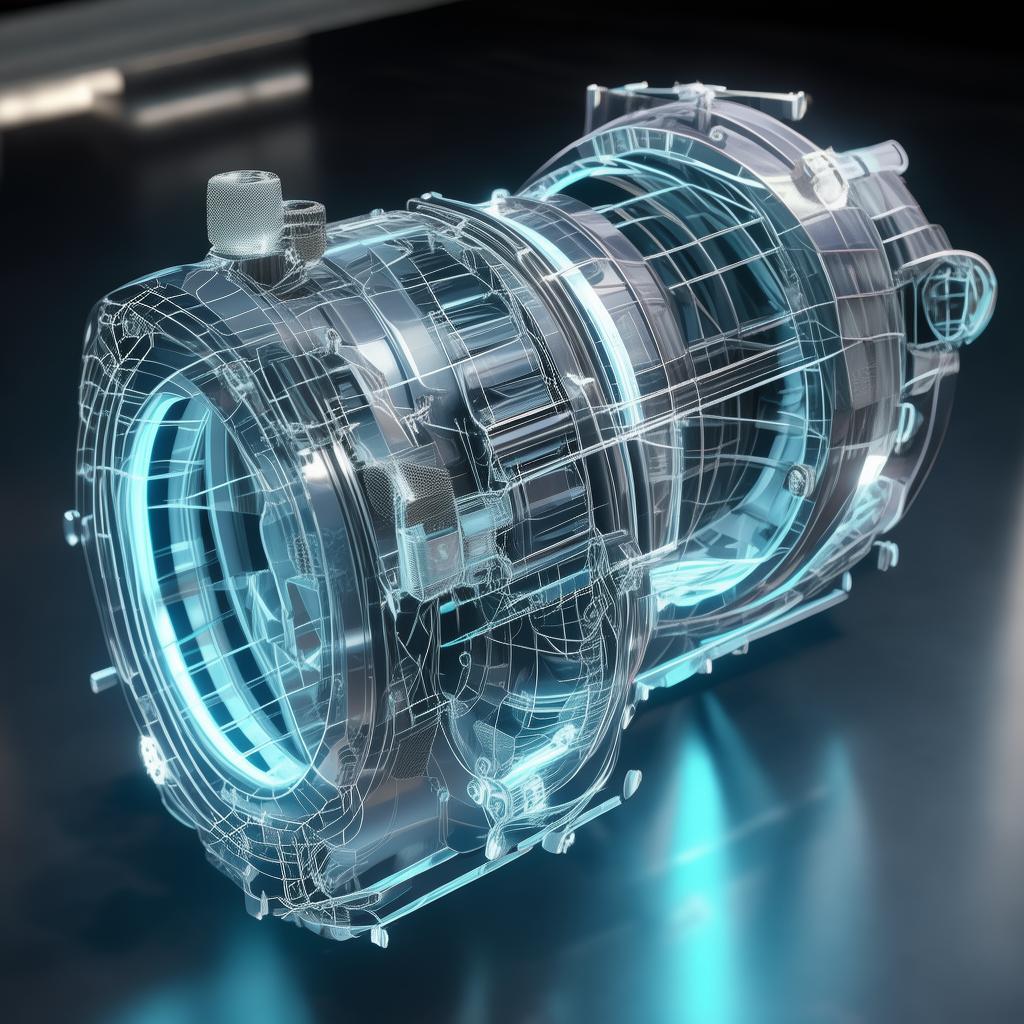

Backflow Check Valve
Product Overview
The backflow check valve is a crucial component designed to prevent the reverse flow of fluids in piping systems. By ensuring that liquids or gases flow in one direction only, this valve protects equipment and processes from contamination and damage. Constructed from high-quality materials, our backflow check valves are engineered for durability, reliability, and optimal performance in various industrial applications.
Key Features
- One-Way Flow Control: Prevents backflow, ensuring fluid integrity and system safety.
- Robust Construction: Made from corrosion-resistant materials for extended service life.
- Variety of Sizes: Available in multiple sizes to fit different piping systems and applications.
- Easy Installation: Designed for straightforward installation, minimizing downtime.
- High Pressure and Temperature Ratings: Suitable for challenging environments and demanding applications.
Technical Specifications
| Specification | Details |
|---|---|
| Material | Stainless Steel, PVC, Brass |
| Pressure Rating | Up to 300 PSI |
| Temperature Range | -40°F to 250°F |
| Connection Type | Threaded, Flanged, Welded |
| Size Range | 1/2" to 12" |
| Standards Compliance | ANSI, ASME, API |
Application Scenarios
The backflow check valve is widely utilized across various industries, including:
- Water Treatment Plants: To prevent contamination of clean water supplies.
- Pumping Stations: To safeguard pumps from backflow damage.
- Chemical Processing: To maintain the integrity of chemical transport systems.
- HVAC Systems: To ensure efficient operation of heating and cooling systems.
- Food and Beverage: To comply with hygiene standards by preventing cross-contamination.
Advantages
Choosing our backflow check valve offers several advantages:
- Enhanced System Safety: Protects against backflow, ensuring safe operations.
- Cost-Efficiency: Reduces maintenance costs by preventing damage to equipment.
- Reliable Performance: Designed for long-lasting performance, even in demanding conditions.
- Customizable Options: Available in various materials and sizes to meet specific needs.
- Regulatory Compliance: Meets industry standards, ensuring peace of mind for users.
Why Choose Us
As a leading manufacturer of backflow check valves, we are committed to delivering top-quality products and exceptional service. Our extensive experience in the industry ensures that we understand the unique challenges faced by our clients. Here are a few reasons to partner with us:
- Expertise: Our team consists of skilled professionals with in-depth knowledge of fluid control systems.
- Quality Assurance: We adhere to strict quality control processes to ensure every valve meets the highest standards.
- Customer Support: Our dedicated support team is available to assist you with inquiries and technical support.
- Global Reach: We serve clients worldwide, providing customized solutions for various industrial applications.
- Innovation: We continuously invest in research and development to enhance our product offerings.
FAQ
1. What is a backflow check valve?
A backflow check valve is a device designed to prevent the reverse flow of fluids in a piping system, ensuring that liquids or gases flow in one direction only.
2. How does a backflow check valve work?
It operates based on the pressure differential between the upstream and downstream sides. When pressure in the upstream side exceeds that in the downstream side, the valve opens. Conversely, if the pressure in the downstream side exceeds the upstream side, the valve closes, preventing backflow.
3. What materials are backflow check valves made from?
Backflow check valves can be constructed from various materials, including stainless steel, PVC, and brass, depending on the application and fluid type.
4. Can backflow check valves be installed in any orientation?
Most backflow check valves can be installed in any orientation, but it's essential to follow manufacturer guidelines for optimal performance.
5. What is the maintenance requirement for a backflow check valve?
Regular inspection is recommended to ensure proper functioning, but specific maintenance needs may vary based on the application and operating conditions.
