
ball valve flanged end dimensions
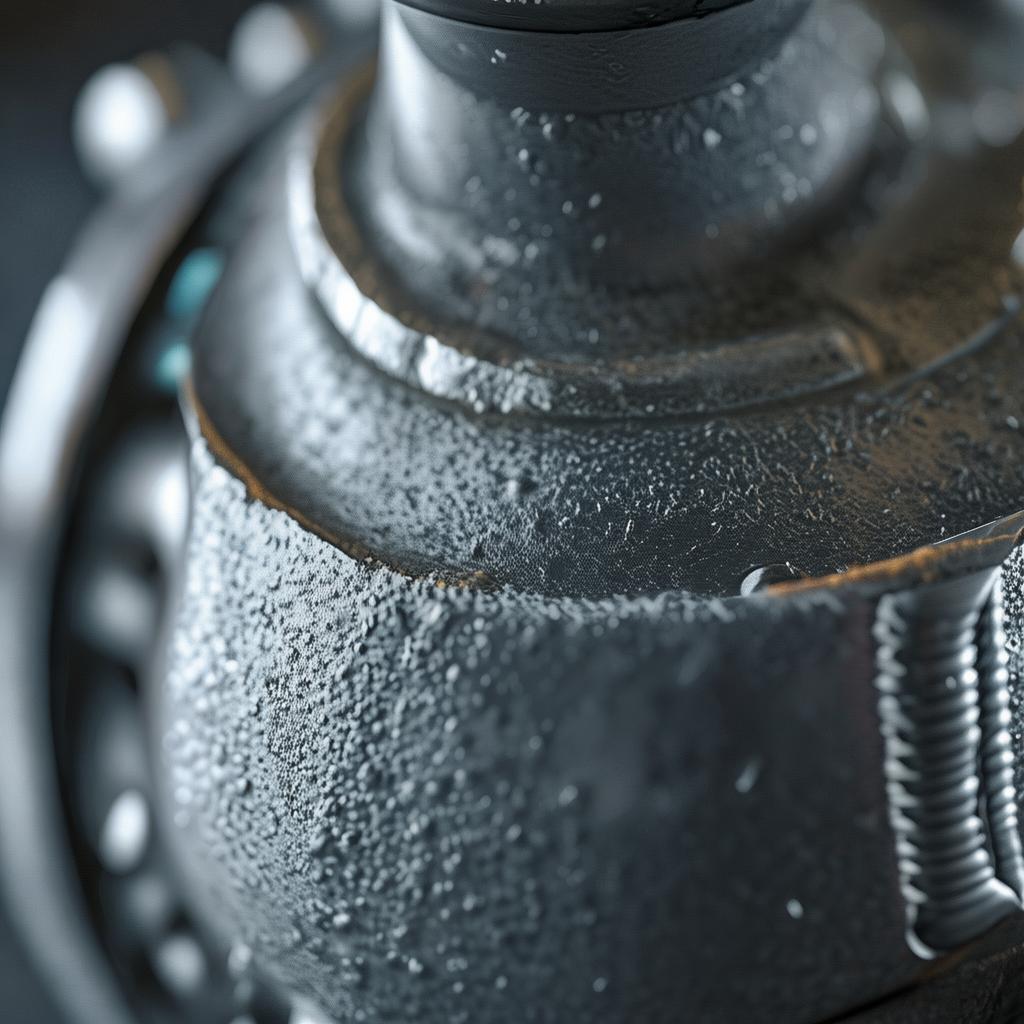

Ball Valve Flanged End Dimensions
The ball valve flanged end dimensions are critical specifications that ensure the proper installation and functionality of ball valves in various industrial applications. Designed for durability and precision, these valves are essential components in systems requiring reliable shut-off and flow control. Our ball valves with flanged ends are engineered to meet stringent international standards, providing you with the assurance of quality and performance.
Key Features
- Robust Construction: Made from high-grade materials to withstand extreme pressure and temperature conditions.
- Precision Engineering: Exact flanged end dimensions to ensure a perfect fit with existing piping systems.
- Easy Installation: Flanged ends allow for straightforward installation and maintenance.
- Versatile Applications: Suitable for a wide range of liquids and gases, making them ideal for various industries.
- Leak-Proof Design: Enhanced sealing technology to prevent leaks under pressure.
Technical Specifications
| Specification | Value |
|---|---|
| Size Range | 1" to 24" |
| Material | Carbon Steel, Stainless Steel, PVC |
| Pressure Rating | 150, 300, 600 PSI |
| Temperature Range | -20°F to 400°F |
| End Connection Type | Flanged |
| Standards Compliance | API 608, ANSI B16.5 |
Application Scenarios
The ball valve flanged end dimensions make these valves suitable for a variety of applications across multiple industries, including:
- Oil and Gas: Used for flow control in pipelines and refineries.
- Water Treatment: Essential in managing water flow in treatment plants.
- Pulp and Paper: Utilized in processes involving corrosive substances.
- Chemical Processing: Ideal for handling aggressive chemicals safely.
- HVAC Systems: Effective for regulating flow in heating and cooling systems.
Advantages
Choosing our ball valves with flanged end dimensions comes with numerous advantages:
- Quality Assurance: Each valve undergoes rigorous testing to ensure compliance with international standards.
- Customizable Options: We offer various sizes, materials, and configurations to meet unique project requirements.
- Technical Expertise: Our team of experts is available to assist you in selecting the right valve for your application.
- Long-lasting Performance: Designed for longevity, reducing the need for frequent replacements.
- Cost-Effectiveness: Competitive pricing without compromising on quality, ensuring value for your investment.
Why Choose Us
When it comes to sourcing ball valve flanged end dimensions, we stand out for several reasons:
- Industry Experience: With years of experience in international trade, we understand the complexities of the market.
- Global Reach: We supply our products to clients worldwide, ensuring timely delivery regardless of location.
- Customer-Centric Approach: Our commitment to customer satisfaction drives us to provide exceptional service and support.
- Innovative Solutions: We continually invest in research and development to stay ahead of industry trends and technologies.
FAQ
What are the standard flanged end dimensions for ball valves?
The standard flanged end dimensions vary depending on the valve size and pressure rating. It is essential to reference the specific technical specifications for accurate measurements.
Can I customize the materials used for the ball valve?
Yes, we offer various materials including carbon steel, stainless steel, and PVC to meet your project requirements.
What industries commonly use ball valves with flanged ends?
Ball valves with flanged ends are commonly used in industries such as oil and gas, water treatment, chemical processing, and HVAC systems.
Are your ball valves compliant with industry standards?
Yes, our ball valves are designed and manufactured in compliance with various international standards, including API 608 and ANSI B16.5.
How do I ensure proper installation of ball valves with flanged ends?
Proper installation involves following the manufacturer's guidelines and ensuring that the flanged ends are aligned correctly with the piping system to avoid stress and potential leaks.
