
brass ball valve
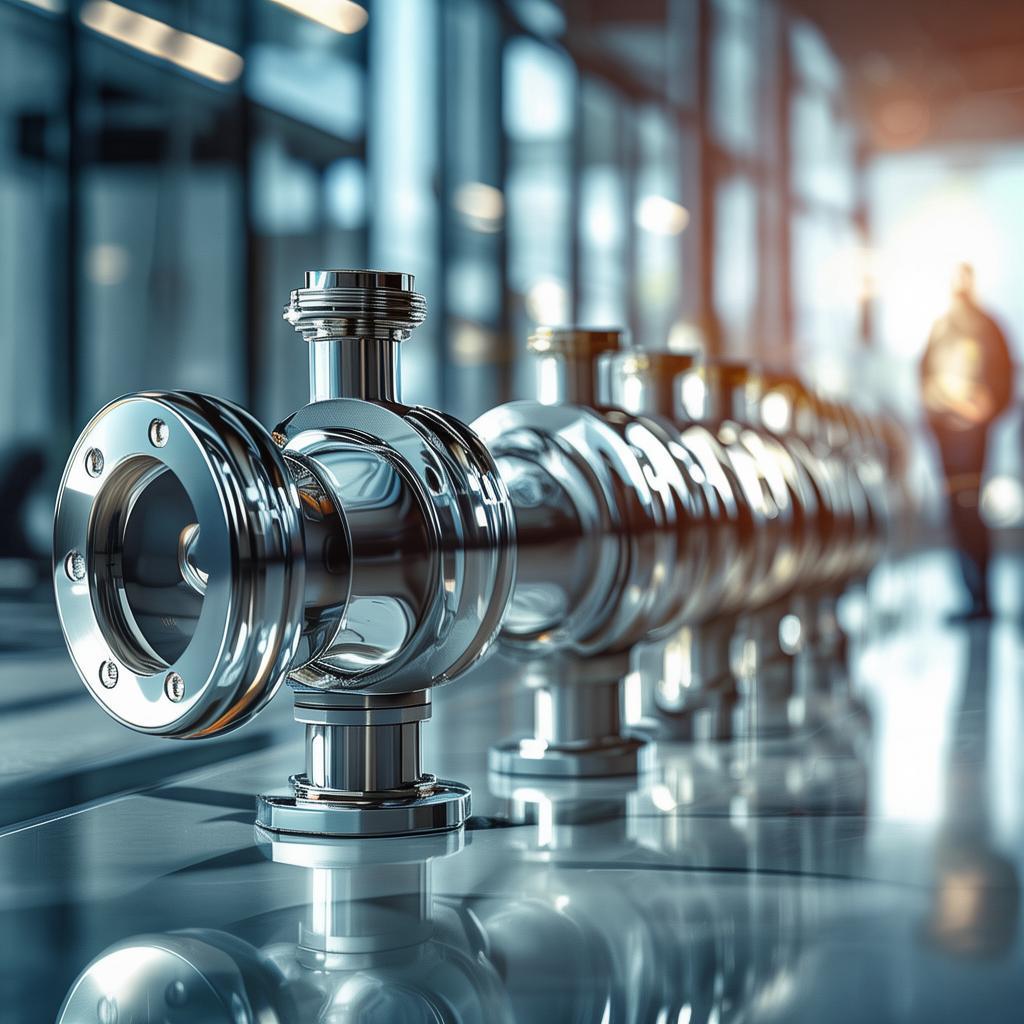

Brass Ball Valve
Product Overview
The brass ball valve is a critical component in various industrial applications, providing reliable flow control in piping systems. Crafted from high-quality brass, these valves are designed for durability and resistance to corrosion, making them suitable for both water and gas applications. The ball valve mechanism allows for quick shut-off capabilities, ensuring efficient operation in any system. Whether you are in the oil and gas, chemical, or water treatment industry, our brass ball valves are engineered to meet your specific needs.
Key Features
- Durable Construction: Made from high-quality brass for enhanced strength and longevity.
- Corrosion Resistant: Designed to withstand harsh environments and fluids.
- Efficient Flow Control: The ball mechanism allows for minimal pressure loss and quick shut-off.
- Versatile Applications: Suitable for water, gas, and other industrial fluids.
- Easy Installation: Compatible with various piping systems, including threaded and solder connections.
Technical Specifications
| Specification | Details |
|---|---|
| Material | Brass |
| Size Range | 1/4" to 4" |
| Pressure Rating | Up to 600 PSI |
| Temperature Range | -20°F to 200°F |
| Connection Type | Threaded, solder |
| Standards Compliance | ANSI, ASTM, ISO |
Application Scenarios
Our brass ball valve is extensively used in a variety of industries, including:
- Water Supply Systems: Ideal for controlling water flow in residential and commercial plumbing.
- Oil and Gas: Efficiently manages the flow of hydrocarbons in upstream and downstream processes.
- Chemical Processing: Used in chemical plants for the control of corrosive substances.
- HVAC Systems: Helps regulate heating and cooling liquids within heating, ventilation, and air conditioning systems.
- Food and Beverage: Safe for controlling flow in processing plants, adhering to strict hygiene standards.
Advantages
Choosing our brass ball valve offers numerous advantages:
- High Performance: Provides excellent sealing capabilities, ensuring leak-free operation.
- Cost-Effective: Durable materials reduce maintenance and replacement costs over time.
- Customizable Options: Available in a range of sizes and configurations to meet specific project requirements.
- Ease of Use: Simple operation with a quarter-turn mechanism for fast opening and closing.
- Environmentally Friendly: Made from recyclable materials, promoting sustainability in industrial applications.
Why Choose Us
When it comes to sourcing brass ball valves, our company stands out for several reasons:
- Expertise: With years of experience in the industry, we understand the unique needs of our clients.
- Quality Assurance: Our products undergo rigorous testing to ensure they meet international standards.
- Global Reach: We supply to clients across various countries, ensuring timely delivery and support.
- Customer-Centric Approach: We prioritize customer satisfaction and provide personalized service to every client.
- Competitive Pricing: Our pricing structure is designed to be cost-effective without compromising on quality.
FAQ
1. What is a brass ball valve used for?
A brass ball valve is primarily used for controlling the flow of fluids in various industrial applications, including water, gas, and chemicals.
2. How do I determine the right size of a brass ball valve for my application?
The size of the brass ball valve you need depends on the diameter of the piping system and the flow requirements. Consult with an engineer or our team for assistance.
3. Are your brass ball valves compliant with international standards?
Yes, our brass ball valves are manufactured to meet ANSI, ASTM, and ISO standards, ensuring quality and safety in all applications.
4. Can I use brass ball valves for hot water applications?
Yes, our brass ball valves are rated for temperatures up to 200°F, making them suitable for many hot water applications.
5. How do I maintain my brass ball valve?
Regular inspection for leaks and ensuring that the valve operates smoothly is recommended. Lubrication may be required for the valve handle, and any signs of wear should prompt replacement.
