
co2 check valve
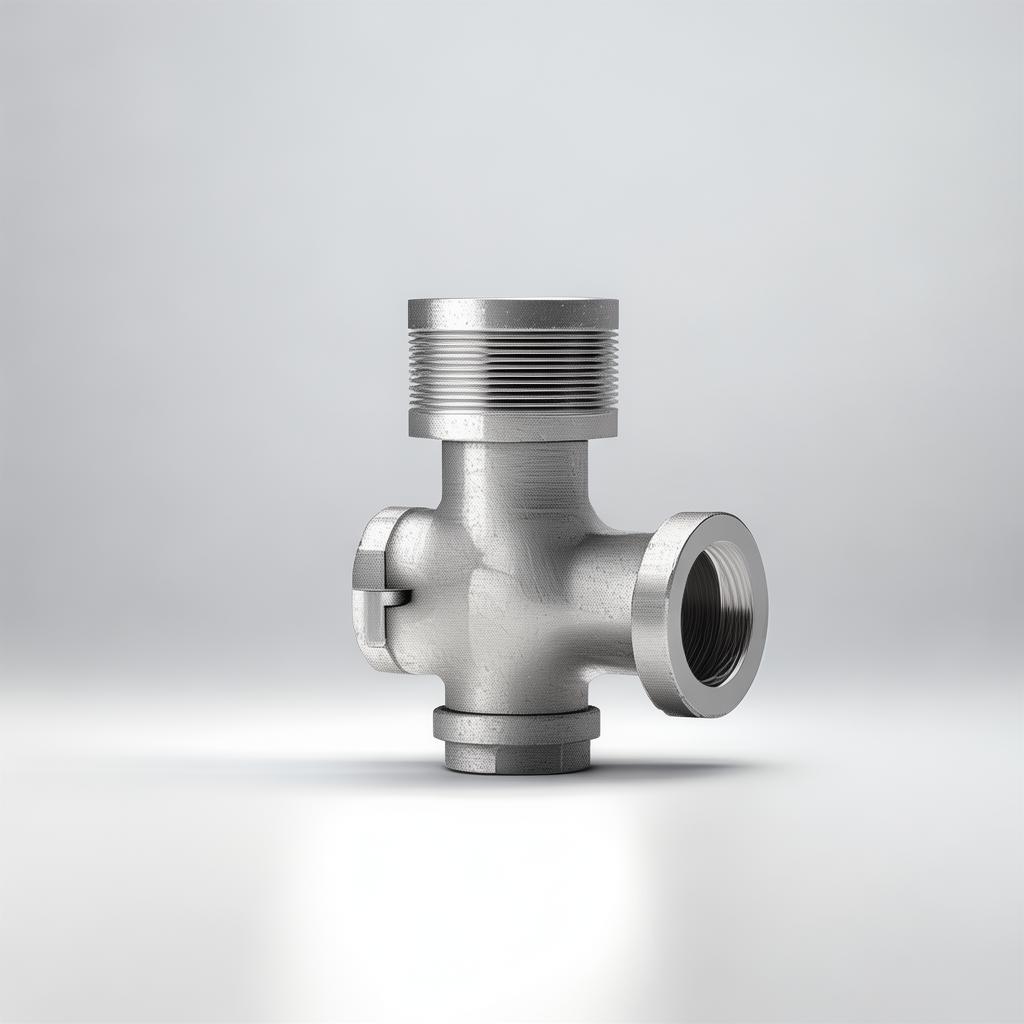

CO2 Check Valve
The CO2 check valve is a critical component designed to ensure the safe and efficient flow of carbon dioxide in various industrial applications. This valve prevents backflow, maintaining the integrity of systems that utilize CO2 for processes such as beverage carbonation, refrigeration, and fire suppression. Made from high-quality materials, our CO2 check valve is engineered for reliability and performance, making it an essential asset in your operational toolkit.
Key Features
- Durable Construction: Crafted from robust materials resistant to corrosion and wear, ensuring longevity even in demanding environments.
- Efficient Backflow Prevention: Designed to allow CO2 to flow in one direction while efficiently preventing any backflow.
- High Pressure Rating: Capable of withstanding high pressure, making it suitable for various industrial applications.
- Compact Design: Space-saving design allows for easy integration into existing systems without taking up excessive space.
- Easy Installation: User-friendly design facilitates quick and straightforward installation, reducing downtime.
Technical Specifications
| Specification | Details |
|---|---|
| Material | Stainless Steel / Brass |
| Pressure Rating | Up to 300 PSI |
| Temperature Range | -20°C to 80°C |
| Connection Type | Threaded / Flanged |
| Size Options | 1/2", 3/4", 1" |
Application Scenarios
The CO2 check valve is widely used across various industries, including:
- Beverage Industry: Essential for carbonating beverages, ensuring the CO2 remains in the liquid without leaking.
- Food Processing: Used in packaging systems to preserve freshness by creating an inert atmosphere.
- Refrigeration Systems: Integral in systems requiring CO2 as a refrigerant, preventing backflow that could compromise system efficiency.
- Fire Suppression Systems: Utilized in CO2 fire suppression systems to maintain pressure and prevent backflow into storage tanks.
- Industrial Gas Systems: Ensures safe and efficient operation in industrial processes involving CO2.
Advantages
- Improved Safety: Prevents backflow, reducing the risk of hazardous situations in CO2-dependent systems.
- Cost-Effective: Minimizes potential leaks and system failures, leading to lower maintenance costs and improved operational efficiency.
- Quality Assurance: Manufactured to the highest standards, ensuring reliable performance and compliance with industry regulations.
- Versatility: Suitable for a wide range of applications, making it a versatile addition to any industrial setup.
- Expert Support: Backed by a team of professionals ready to assist with technical inquiries and installation guidance.
Why Choose Us
When selecting a supplier for your CO2 check valve needs, trust is paramount. We pride ourselves on our commitment to quality, customer service, and industry expertise. Our valves are rigorously tested to meet international standards, ensuring you receive a product that is not only reliable but also built to last. With a focus on innovation, we continuously improve our products to meet the evolving needs of our customers. Our global reach allows us to serve clients across multiple industries, providing tailored solutions that drive success.
FAQ
1. What is a CO2 check valve?
A CO2 check valve is a one-way valve designed to allow carbon dioxide to flow in a single direction while preventing backflow, essential for maintaining system integrity in various applications.
2. How do I install a CO2 check valve?
Installation is straightforward. Ensure the system is depressurized, then follow the manufacturer's instructions to connect it to your piping system. Always check for leaks after installation.
3. What materials are used in manufacturing CO2 check valves?
Our CO2 check valves are typically made from durable materials such as stainless steel or brass, ensuring they can withstand the pressures and corrosive environments associated with CO2 applications.
4. Can the CO2 check valve be used in high-pressure applications?
Yes, our CO2 check valves are designed to withstand pressures up to 300 PSI, making them suitable for high-pressure applications.
5. What maintenance is required for a CO2 check valve?
Regular inspections for leaks and wear are recommended. If any issues are detected, the valve should be serviced or replaced to ensure continued performance.
