
cryogenic ball valve
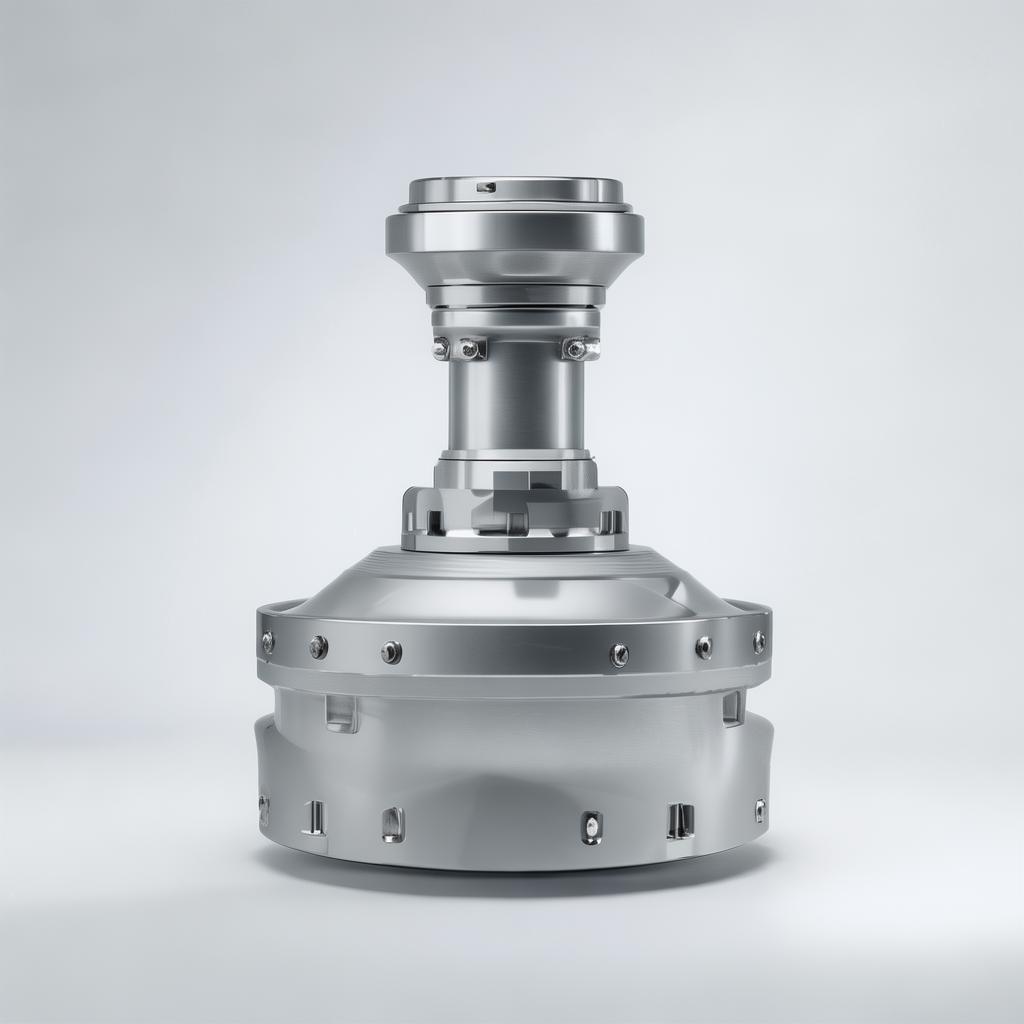

Cryogenic Ball Valve
The cryogenic ball valve is a specialized valve designed to operate in extremely low-temperature applications, making it essential for industries dealing with liquefied gases, such as LNG (liquefied natural gas), oxygen, and nitrogen. These valves ensure reliable flow control and maintain the integrity of processes where temperature fluctuations can lead to operational challenges.
Key Features
- Exceptional Temperature Resistance: Designed for temperatures as low as -196°C (-320°F).
- Robust Design: Constructed from high-quality materials to withstand extreme conditions.
- Low Torque Operation: Engineered for ease of operation, requiring minimal force to open and close.
- Bubble-tight sealing: Ensures no leakage of gases at cryogenic temperatures.
- Versatile Connectivity: Available in multiple end connections including flanged, threaded, and welded options.
Technical Specifications
| Specification | Details |
|---|---|
| Size Range | 1/2" to 24" |
| Pressure Rating | ANSI Class 150 to 2500 |
| Temperature Range | -196°C to +80°C |
| Body Material | Stainless Steel, Carbon Steel, or Special Alloys |
| End Connection | Flanged, Threaded, or Welded |
| Actuation Type | Manual, Pneumatic, or Electric |
Application Scenarios
The cryogenic ball valve is widely utilized across various sectors due to its reliability and performance in low-temperature environments. Here are some key application scenarios:
- Liquefied Natural Gas (LNG) Facilities: Used in storage and transfer systems to ensure safe handling of LNG.
- Air Separation Plants: Essential for controlling the flow of oxygen, nitrogen, and argon at cryogenic temperatures.
- Medical Gas Applications: Critical for the transportation and use of liquid oxygen in healthcare facilities.
- Research Laboratories: Employed in experiments requiring precise control of cryogenic fluids.
- Industrial Gas Applications: Used in the handling of gases like hydrogen and helium at low temperatures.
Advantages
Choosing the right cryogenic ball valve can significantly impact operational efficiency and safety. Here are some advantages of using our cryogenic ball valves:
- Reliability: Engineered for consistent performance in extreme conditions, ensuring minimal downtime.
- Safety: Advanced sealing technology reduces the risk of leaks, enhancing workplace safety.
- Durability: Constructed from robust materials that resist corrosion and wear, extending the life of the valve.
- Customization: Available in various configurations and materials to meet specific industry requirements.
- Cost-Effectiveness: Long-term savings due to reduced maintenance and replacement costs.
Why Choose Us
At [Your Company Name], we pride ourselves on our commitment to quality and customer satisfaction. Here’s why we are the preferred choice for cryogenic ball valves:
- Expertise: With years of industry experience, our team of engineers and technicians are experts in cryogenic technologies.
- Quality Assurance: Our products undergo rigorous testing and quality control to ensure they meet international standards.
- Innovative Solutions: We invest in research and development to provide the latest valve technologies to our clients.
- Global Reach: We serve a diverse client base across multiple industries around the world.
- Comprehensive Support: Our customer service team is always available to assist with technical inquiries and after-sales support.
FAQ
1. What is a cryogenic ball valve?
A cryogenic ball valve is a valve designed to control the flow of fluids at extremely low temperatures, typically used in applications involving liquefied gases.
2. What temperatures can your cryogenic ball valves handle?
Our cryogenic ball valves can operate in temperatures ranging from -196°C to +80°C.
3. What materials are used in cryogenic ball valves?
We offer cryogenic ball valves constructed from various materials, including stainless steel, carbon steel, and special alloys tailored for low-temperature applications.
4. Can these valves be custom made?
Yes, we provide customization options to meet specific operational requirements, including size, connection type, and actuation methods.
5. How do I maintain cryogenic ball valves?
Regular inspection and maintenance are recommended to ensure optimal performance. We provide guidelines for proper handling and maintenance of our cryogenic ball valves.
