
cryogenic valve specification
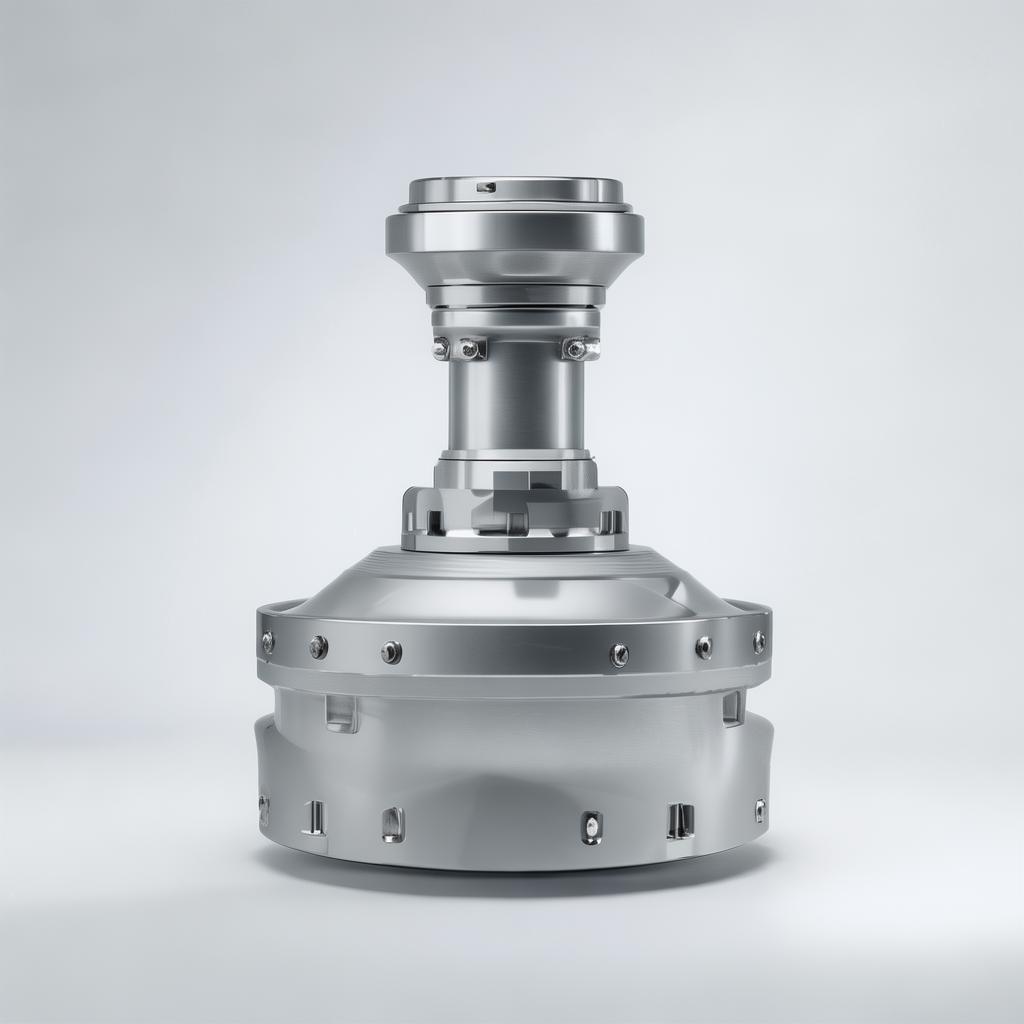

Cryogenic Valve Specification
The cryogenic valve specification is crucial for industries that require precise control over the flow of liquids and gases at extremely low temperatures. Our cryogenic valves are designed to meet the highest standards, ensuring reliability and efficiency in applications involving liquefied gases such as LNG, oxygen, and nitrogen. This product page details the essential features, technical specifications, and applications of our cryogenic valves.
Key Features
- Temperature Range: Capable of operating at temperatures as low as -196°C (-320°F).
- Material Construction: Crafted from high-grade stainless steel and other cryogenic-compatible materials to ensure durability.
- Design: Available in various designs including globe, ball, and gate valves to suit different applications.
- Sealing Performance: Equipped with advanced sealing technology to prevent leaks and enhance safety.
- Actuation Options: Manual, pneumatic, and electric actuation options available for flexible operation.
- Customizable: Tailored solutions to meet specific cryogenic valve specifications for unique applications.
Technical Specifications
| Specification | Details |
|---|---|
| Operating Temperature | -196°C to +65°C |
| Pressure Rating | Up to 100 bar (1450 psi) |
| Body Material | Stainless Steel, Carbon Steel, Bronze |
| Size Range | 1/2" to 24" |
| Connection Type | Flanged, Threaded, Welded |
| Actuation Type | Manual, Pneumatic, Electric |
Application Scenarios
Cryogenic valves are integral in various industries and applications, including:
- LNG Transportation: Used in the transport and storage of liquefied natural gas, ensuring safe handling.
- Medical Oxygen Systems: Critical in hospitals and medical facilities for oxygen supply systems.
- Aerospace: Employed in rocket propulsion systems where precise control of cryogenic fuels is essential.
- Food and Beverage: Utilized in the freezing and preservation processes of food products.
- Cryogenic Research: Important for laboratories conducting experiments at ultra-low temperatures.
Advantages
- High Reliability: Our cryogenic valves are tested under stringent conditions to ensure long-lasting performance.
- Safety: Designed to minimize the risk of leaks and ensure safe operation in demanding environments.
- Efficiency: Optimized for low pressure drop, enhancing overall system efficiency.
- Customization: We offer a wide range of customization options to fit specific needs, ensuring you achieve the desired performance.
- Global Compliance: Manufactured in accordance with international standards, making them suitable for global applications.
Why Choose Us
We pride ourselves on being a leading manufacturer of cryogenic valves with decades of experience in the industry. Our commitment to quality, innovation, and customer satisfaction sets us apart:
- Expert Team: Our team consists of engineers and industry experts who ensure every product meets the highest standards.
- Advanced Technology: We utilize state-of-the-art manufacturing processes and technologies to produce high-performance cryogenic valves.
- Comprehensive Support: From consultation to after-sales support, we are with you every step of the way.
- Competitive Pricing: We offer competitive pricing without compromising on quality, ensuring you receive the best value.
FAQ
1. What is a cryogenic valve?
A cryogenic valve is a specialized valve designed to control the flow of fluids at extremely low temperatures, typically below -196°C. These valves are essential in applications involving liquefied gases.
2. What are the typical applications for cryogenic valves?
Cryogenic valves are commonly used in LNG transport, medical oxygen supply, aerospace propulsion systems, food preservation, and cryogenic research laboratories.
3. How do I choose the right cryogenic valve specification for my application?
Choosing the right cryogenic valve specification depends on several factors, including the temperature and pressure requirements, the type of fluid, and the specific application needs. Our team can assist in providing recommendations based on your requirements.
4. Are cryogenic valves customizable?
Yes, we offer customizable cryogenic valves to meet specific operational requirements and applications, ensuring optimal performance and compatibility.
5. What materials are typically used in cryogenic valve construction?
Cryogenic valves are usually constructed from materials such as stainless steel, carbon steel, and bronze, which are capable of withstanding extreme temperatures and providing reliable sealing performance.
