
cryogenic valves suppliers
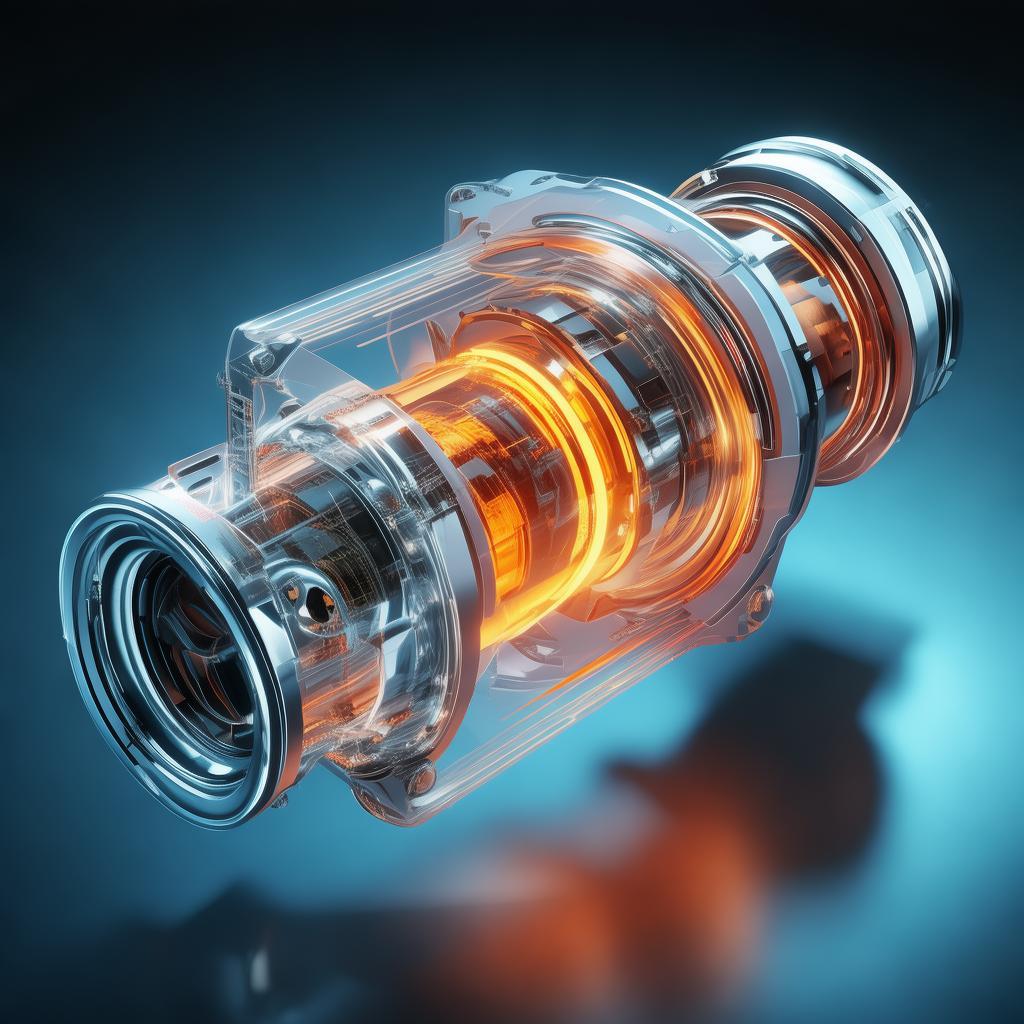

Cryogenic Valves Suppliers
Welcome to our comprehensive guide on cryogenic valves, where we delve into the essential components and offerings from leading cryogenic valves suppliers. Designed for extreme low-temperature applications, cryogenic valves are crucial in various industries, ensuring the safe and efficient handling of liquefied gases such as LNG, oxygen, nitrogen, and argon.
Product Overview
Cryogenic valves are specialized valves designed to operate in extremely low-temperature environments. They are integral to systems that transport and store cryogenic fluids, providing essential functionalities such as isolation, control, and pressure relief. Our range of cryogenic valves, sourced from reputable cryogenic valves suppliers, is engineered to meet rigorous standards, ensuring reliability and performance in critical applications.
Key Features
- Designed for Low Temperatures: Built to withstand temperatures as low as -196°C (-321°F).
- Durable Materials: Constructed from premium materials such as stainless steel and brass to resist corrosion and wear.
- Leak Tightness: Exceptional sealing capabilities to prevent leaks and ensure safety in critical environments.
- Versatile Applications: Suitable for gas, liquid, and vapor services in various industries.
- Custom Solutions: Tailored designs to meet specific operational requirements from different cryogenic valves suppliers.
Technical Specifications
| Specification | Details |
|---|---|
| Temperature Range | -196°C to +300°C |
| Pressure Rating | Up to 10,000 psi |
| Body Material | Stainless Steel, Brass, Bronze |
| Connection Type | Flanged, Threaded, Socket Weld |
| Actuation Type | Manual, Pneumatic, Electric |
Application Scenarios
Cryogenic valves are essential in several industries, including:
- LNG Transportation: Safe transfer and storage of liquefied natural gas.
- Medical Gas Systems: Handling gases such as oxygen and nitrous oxide in healthcare facilities.
- Aerospace: Used in rocket propulsion systems and cryogenic fuel tanks.
- Food and Beverage: Cryogenic freezing and preservation processes.
- Industrial Gas Production: Involved in the production of argon, nitrogen, and other industrial gases.
Advantages
Choosing the right cryogenic valves suppliers can significantly enhance operational efficiency and safety. Here are the key advantages of our cryogenic valves:
- Enhanced Safety: Designed to minimize the risk of leaks and failures, ensuring safe handling of hazardous materials.
- Efficient Performance: Engineered for optimal flow characteristics, reducing energy consumption and operational costs.
- Longevity: Robust construction that withstands extreme conditions, providing long service life and reducing maintenance costs.
- Compliance: Products meet industry standards and regulations, ensuring reliability and peace of mind.
- Expert Support: Access to knowledgeable staff who can assist in selecting the right solutions tailored to specific needs.
Why Choose Us
As leading cryogenic valves suppliers, we pride ourselves on delivering high-quality products and exceptional customer service. Here’s why you should partner with us:
- Industry Expertise: Years of experience in the cryogenic sector, with a deep understanding of market needs and technical requirements.
- Quality Assurance: Rigorous testing and quality control processes ensure that all products meet the highest standards before reaching our clients.
- Global Reach: Serving clients across various regions, we understand international trade regulations and logistics.
- Customized Solutions: Ability to provide tailored solutions that meet unique operational challenges faced by our clients.
- Competitive Pricing: Our strategic partnerships with manufacturers enable us to offer competitive pricing without compromising quality.
FAQ
What are cryogenic valves used for?
Cryogenic valves are used to control the flow of liquefied gases at extremely low temperatures in various applications, including LNG transportation, medical gas systems, and industrial gas production.
How do I choose the right cryogenic valve?
When selecting a cryogenic valve, consider factors such as the temperature and pressure requirements, the type of medium being handled, connection types, and actuation methods. Consulting with cryogenic valves suppliers can also provide valuable insights.
What materials are cryogenic valves made from?
Cryogenic valves are typically made from materials like stainless steel, brass, and bronze, which provide excellent durability and resistance to corrosion at low temperatures.
Can cryogenic valves be used in high-pressure applications?
Yes, many cryogenic valves are designed to handle high-pressure applications, with ratings up to 10,000 psi. It's essential to confirm the specifications with your cryogenic valves suppliers.
How do I maintain cryogenic valves?
Regular inspections and maintenance are crucial for cryogenic valves. Ensure that seals and connections are checked for wear and leaks, and follow manufacturer recommendations for servicing.
