
double check valve backflow preventer
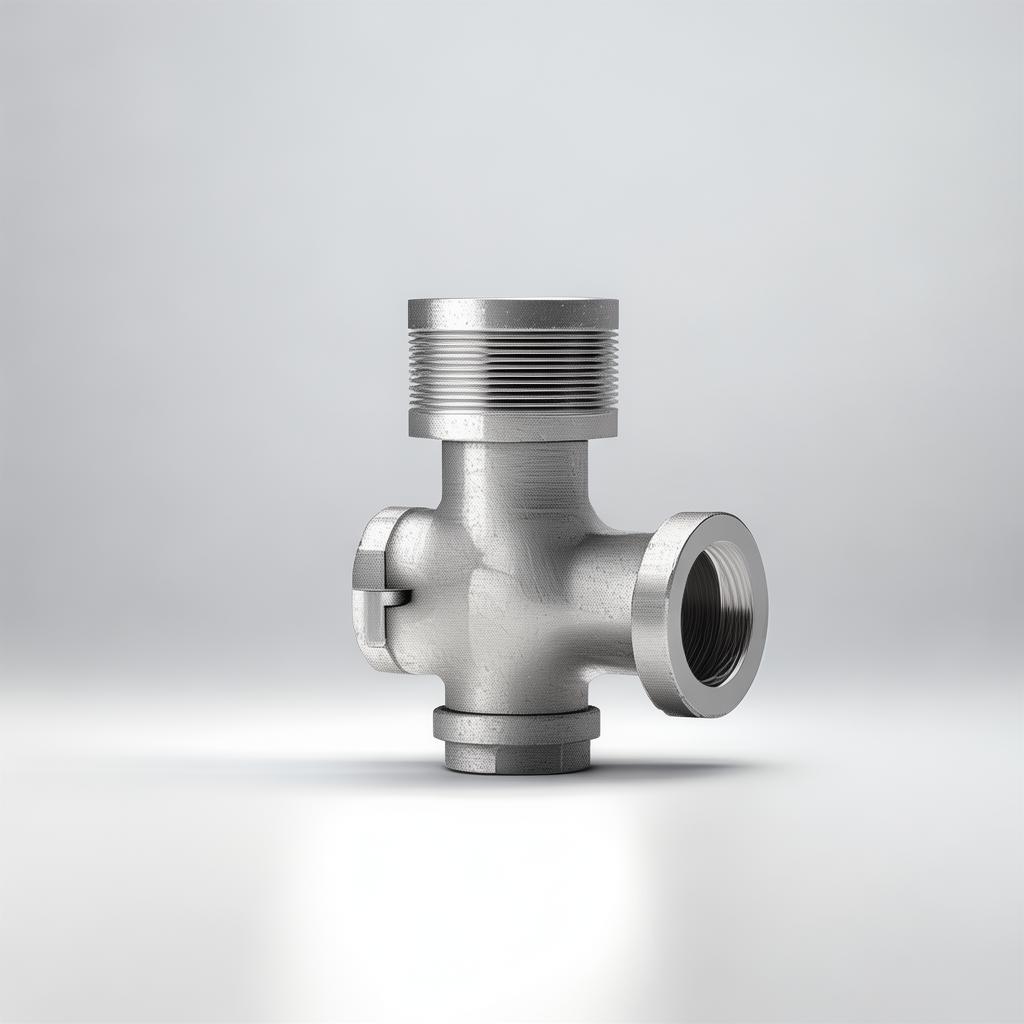

Double Check Valve Backflow Preventer
The double check valve backflow preventer is an essential component in ensuring the safety and integrity of potable water systems. Designed to prevent the reverse flow of contaminated water into clean water supplies, this device is crucial in commercial and industrial applications where backflow could pose significant health risks. By utilizing two independently acting check valves, this backflow preventer provides an extra layer of security against backpressure and backsiphonage, ensuring that your water system remains compliant with regulatory standards and free from contamination.
Key Features
- Dual Protection: Features two check valves that provide enhanced protection against backflow.
- Durable Construction: Made from high-quality materials that resist corrosion and wear, ensuring long-term reliability.
- Easy Maintenance: Designed for straightforward maintenance and inspection, minimizing downtime.
- Compact Design: Space-efficient design allows for easy installation in tight spaces.
- Wide Range of Sizes: Available in various sizes to accommodate different pipe diameters and system requirements.
Technical Specifications
| Specification | Value |
|---|---|
| Material | Brass / PVC / Stainless Steel |
| Sizes | 1", 1.5", 2", 3", 4" |
| Pressure Rating | Up to 150 PSI |
| Temperature Range | 32°F to 140°F (0°C to 60°C) |
| Standards Compliance | ASSE 1015, CSA B64, and others |
Application Scenarios
The double check valve backflow preventer is widely used in various applications where the risk of backflow contamination is present. Common scenarios include:
- Municipal Water Supply: Protecting public drinking water systems from potential contamination.
- Irrigation Systems: Preventing backflow from irrigation systems that may use fertilizers or pesticides.
- Fire Protection Systems: Ensuring the integrity of water supplies in fire sprinkler systems.
- Commercial and Industrial Facilities: Safeguarding water supplies in factories, manufacturing plants, and commercial buildings.
- Food Processing Plants: Maintaining hygiene standards by preventing backflow in food and beverage applications.
Advantages
Investing in a double check valve backflow preventer provides numerous advantages, including:
- Enhanced Safety: Protects against the risk of cross-contamination, ensuring safe drinking water.
- Regulatory Compliance: Meets local and international standards for backflow prevention, avoiding potential fines and legal issues.
- Cost-Effective Solution: Reduces the need for costly repairs and system downtime due to contamination incidents.
- Reliability: Built to withstand harsh conditions and provide long-lasting performance.
- Versatility: Suitable for a wide range of applications and environments.
Why Choose Us
When selecting a double check valve backflow preventer, partnering with a trusted supplier is essential. Here are a few reasons to choose us:
- Industry Expertise: With years of experience in international trade and industrial products, we understand the unique needs of our clients.
- Quality Assurance: Our products undergo rigorous testing to ensure the highest quality and reliability.
- Competitive Pricing: We offer fair pricing without compromising on product quality, making us a cost-effective choice for businesses.
- Customer Support: Our dedicated team is here to assist you with any inquiries and provide expert guidance.
- Global Reach: We serve clients worldwide, providing timely delivery and support regardless of your location.
FAQ
What is a double check valve backflow preventer?
A double check valve backflow preventer is a device designed to prevent contaminated water from flowing back into the clean water supply. It contains two check valves that provide an additional layer of protection compared to single check valves.
How does a double check valve work?
The device operates by allowing water to flow in one direction while preventing reverse flow. If the pressure in the downstream system drops, the check valves will close, stopping any potential backflow.
Where should a double check valve backflow preventer be installed?
It should be installed at the point of connection between a potable water supply and any system that could potentially allow backflow, such as irrigation systems, fire protection systems, and industrial processes.
Do I need a permit for installation?
In many jurisdictions, installing a double check valve backflow preventer requires a permit and must comply with local plumbing codes. It is advisable to check with your local authorities before installation.
How often should the double check valve be tested?
It is recommended to test the double check valve backflow preventer annually to ensure it is functioning properly and complies with local regulations.
