
floating ball valve design
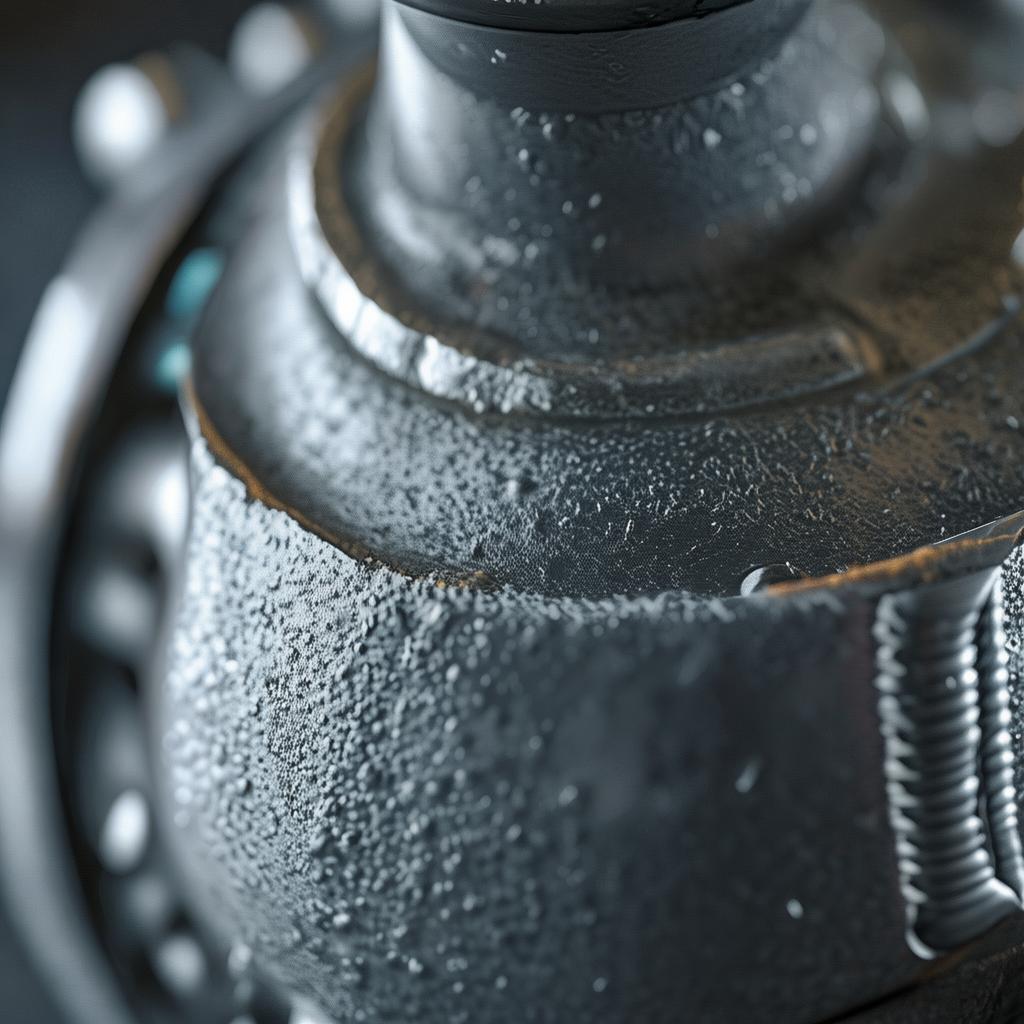

Floating Ball Valve Design
The floating ball valve design is a crucial component in various industrial applications, offering unparalleled reliability and performance in fluid control systems. Engineered for efficiency, this valve type utilizes a spherical ball that floats and is positioned in the valve body, providing a tight seal when closed. Our floating ball valves are suitable for a wide range of fluids, making them an essential tool for industries such as oil and gas, chemical processing, and water treatment.
Key Features
- High Sealing Performance: The floating ball design ensures a leak-proof seal, minimizing the risk of fluid leakage.
- Durability: Constructed from high-quality materials, our valves are designed to withstand the harshest environments.
- Versatile Applications: Suitable for various media, including gases, liquids, and corrosive substances.
- Easy Operation: Manual and automated options available for seamless integration into existing systems.
- Compact Design: Space-saving design allows for easy installation in limited spaces.
Technical Specifications
| Specification | Details |
|---|---|
| Size Range | 1/2" to 12" |
| Pressure Rating | Up to 600 PSI |
| Temperature Range | -20°C to 150°C |
| Body Material | Carbon Steel, Stainless Steel, Brass |
| End Connection | Flanged, Threaded, Welded |
| Actuation Type | Manual, Pneumatic, Electric |
Application Scenarios
The floating ball valve design is versatile and can be effectively utilized in numerous industry applications, including:
- Oil and Gas: Control and manage the flow of hydrocarbons in pipelines and storage facilities.
- Chemical Processing: Regulate the flow of aggressive chemicals in production processes.
- Water Treatment: Manage the distribution and treatment of water in municipal systems.
- Pulp and Paper: Control fluid flow in the manufacturing process of paper products.
- HVAC Systems: Manage chilled and hot water systems for efficient temperature control.
Advantages
Choosing our floating ball valve design offers numerous advantages that enhance your operational efficiency:
- Cost-Effective: Our valves provide long-lasting service, reducing maintenance and replacement costs.
- Reliable Performance: The floating ball design offers consistent sealing, ensuring optimal operation under varying pressures and temperatures.
- Reduced Maintenance: With fewer moving parts than other valve types, our floating ball valves require less upkeep, allowing for uninterrupted operations.
- Customizable Options: We provide tailored solutions to meet specific application needs, including size, material, and actuation type.
- Expert Support: Our experienced team is available to provide technical assistance and guidance throughout the selection and installation process.
Why Choose Us
As a leading manufacturer of floating ball valve designs, we are committed to delivering superior quality and service. Our products undergo rigorous testing to meet international standards, ensuring reliability and safety. We pride ourselves on:
- Expertise: Years of experience in the industry, providing clients with knowledgeable insights and recommendations.
- Quality Assurance: Stringent quality control processes that guarantee the performance of our products.
- Global Reach: Serving clients in various international markets, with the capability to meet diverse regulatory requirements.
- Customer-Centric Approach: Dedicated to understanding your needs and providing tailored solutions that exceed expectations.
FAQ
1. What is a floating ball valve?
A floating ball valve is a type of valve that uses a spherical ball to control fluid flow. The ball is held in place by the valve seat and floats between two seats to create a seal when closed.
2. How does a floating ball valve work?
When the valve is opened, the ball rotates to allow fluid to flow through. When closed, the ball is pressed against the seat by the fluid pressure, creating a tight seal to prevent leaks.
3. What materials are used in the construction of floating ball valves?
Floating ball valves can be made from various materials, including carbon steel, stainless steel, and brass, to accommodate different operating conditions and fluid types.
4. Can floating ball valves be automated?
Yes, floating ball valves can be equipped with pneumatic or electric actuators for remote operation, allowing for enhanced control in automated systems.
5. What are the typical pressure ratings for floating ball valves?
Our floating ball valves are available with pressure ratings up to 600 PSI, making them suitable for a wide range of applications.
6. Are your floating ball valves suitable for corrosive applications?
Yes, we offer floating ball valves made from corrosion-resistant materials, ideal for handling aggressive chemicals in various industrial processes.
