
floating ball valve types
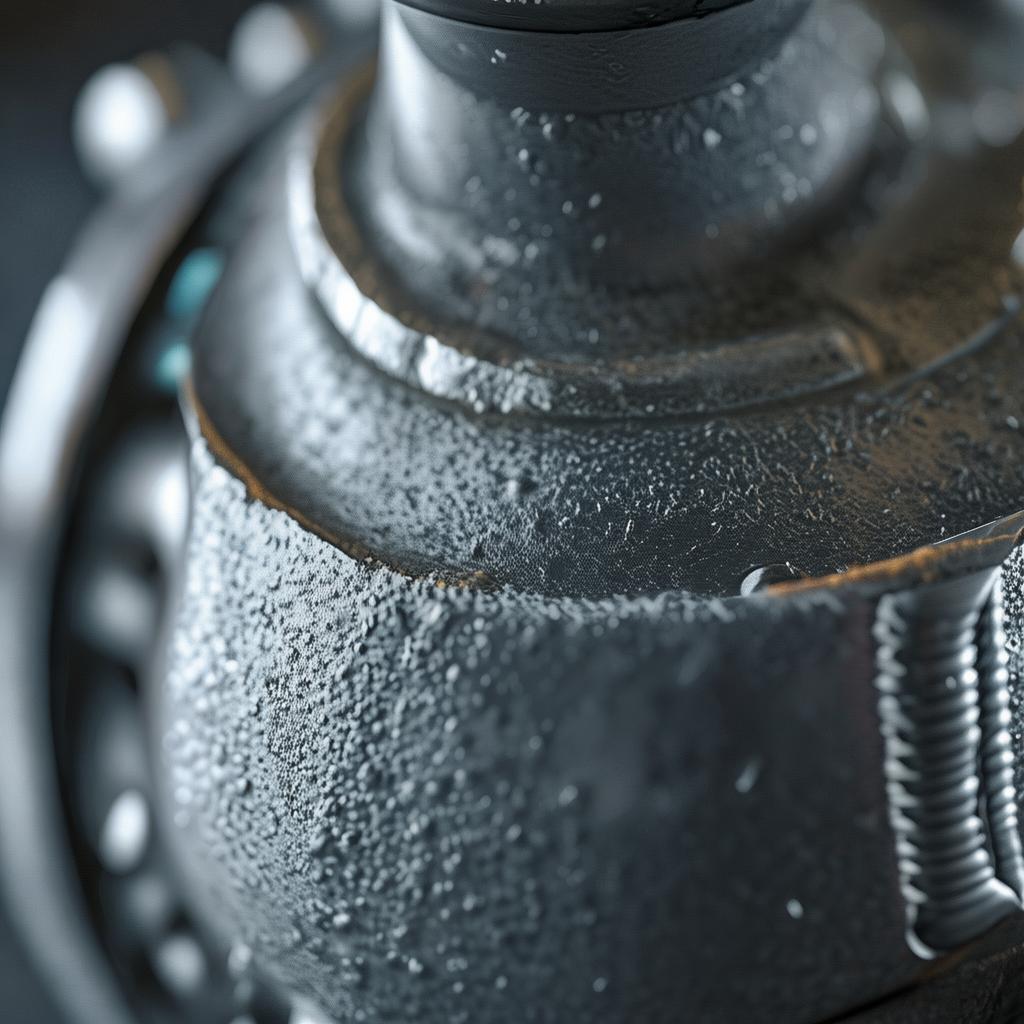

Floating Ball Valve Types
The floating ball valve types are essential components in various industrial applications, known for their reliability and efficiency in controlling the flow of fluids. These valves operate on a simple yet effective mechanism where a ball, floating between two seats, provides a tight seal to prevent leakage. With their robust construction and versatility, floating ball valves are widely used across multiple sectors, including oil and gas, water treatment, and chemical processing.
Key Features
- Durability: Made from high-quality materials such as stainless steel, carbon steel, and PVC, ensuring long-lasting performance.
- Versatile Applications: Suitable for a range of fluids, including gases, liquids, and slurries.
- Leak-proof Design: The floating ball mechanism allows for a reliable seal, minimizing the risk of leakage.
- Easy Operation: Simple quarter-turn operation for quick and efficient flow control.
- Low Maintenance: Designed for minimal wear and tear, reducing the need for frequent maintenance.
- Wide Size Range: Available in various sizes and pressure ratings to meet diverse industrial needs.
Technical Specifications
| Specification | Details |
|---|---|
| Material | Stainless Steel, Carbon Steel, PVC |
| Size Range | 1/2" to 12" |
| Pressure Rating | 150 PSI to 600 PSI |
| Temperature Range | -20°F to 350°F |
| End Connection Types | Flanged, Threaded, Welded |
| Actuation Options | Manual, Electric, Pneumatic |
Application Scenarios
The versatility of floating ball valve types makes them suitable for numerous application scenarios, including:
- Oil and Gas Industry: Used for flow regulation and isolation in pipelines and processing facilities.
- Water Treatment: Essential for controlling water flow in treatment plants, ensuring optimal operation.
- Chemical Processing: Ideal for handling corrosive fluids due to their robust material options.
- Power Generation: Employed in steam and cooling systems for efficient flow management.
- Food and Beverage: Used in sanitary applications where hygiene and reliability are critical.
Advantages
Choosing floating ball valve types offers several advantages:
- Enhanced Flow Control: The design allows for precise flow regulation, improving system efficiency.
- Cost-Effective: Their durability and low maintenance requirements result in lower operational costs over time.
- Wide Compatibility: Can be integrated into various systems due to different size and connection options.
- Safety: Designed to withstand high pressure and temperature, ensuring safe operation in critical applications.
- Quick Installation: Simple installation process, allowing for faster project completion and reduced downtime.
Why Choose Us
Our company is a trusted leader in providing high-quality floating ball valve types. Here are compelling reasons to partner with us:
- Expertise: With years of experience in the industry, we offer unparalleled knowledge and support.
- Quality Assurance: All our products undergo rigorous testing to meet international quality standards.
- Customization: We provide tailored solutions to meet specific project requirements and challenges.
- Global Reach: Our extensive distribution network ensures timely delivery and support worldwide.
- Customer-Centric Approach: We prioritize our clients’ needs, providing exceptional service and support throughout the buying process.
FAQ
1. What are floating ball valve types used for?
Floating ball valve types are primarily used for controlling the flow of liquids and gases in various industrial applications, providing reliable sealing and ease of operation.
2. How do floating ball valves differ from other valve types?
Unlike fixed ball valves, floating ball valves utilize a ball that is not rigidly fixed, allowing it to move and create a seal against the seats, which enhances their sealing capabilities.
3. What materials are floating ball valves made from?
Floating ball valves can be made from various materials, including stainless steel, carbon steel, and PVC, depending on the application requirements and fluid compatibility.
4. Can floating ball valves be automated?
Yes, floating ball valves can be equipped with electric or pneumatic actuators for automated operation, enhancing their functionality in complex systems.
5. What maintenance is required for floating ball valves?
Floating ball valves are designed for low maintenance; however, regular inspections and occasional cleaning of the valve can ensure optimal performance and longevity.
