
floating ball valve working
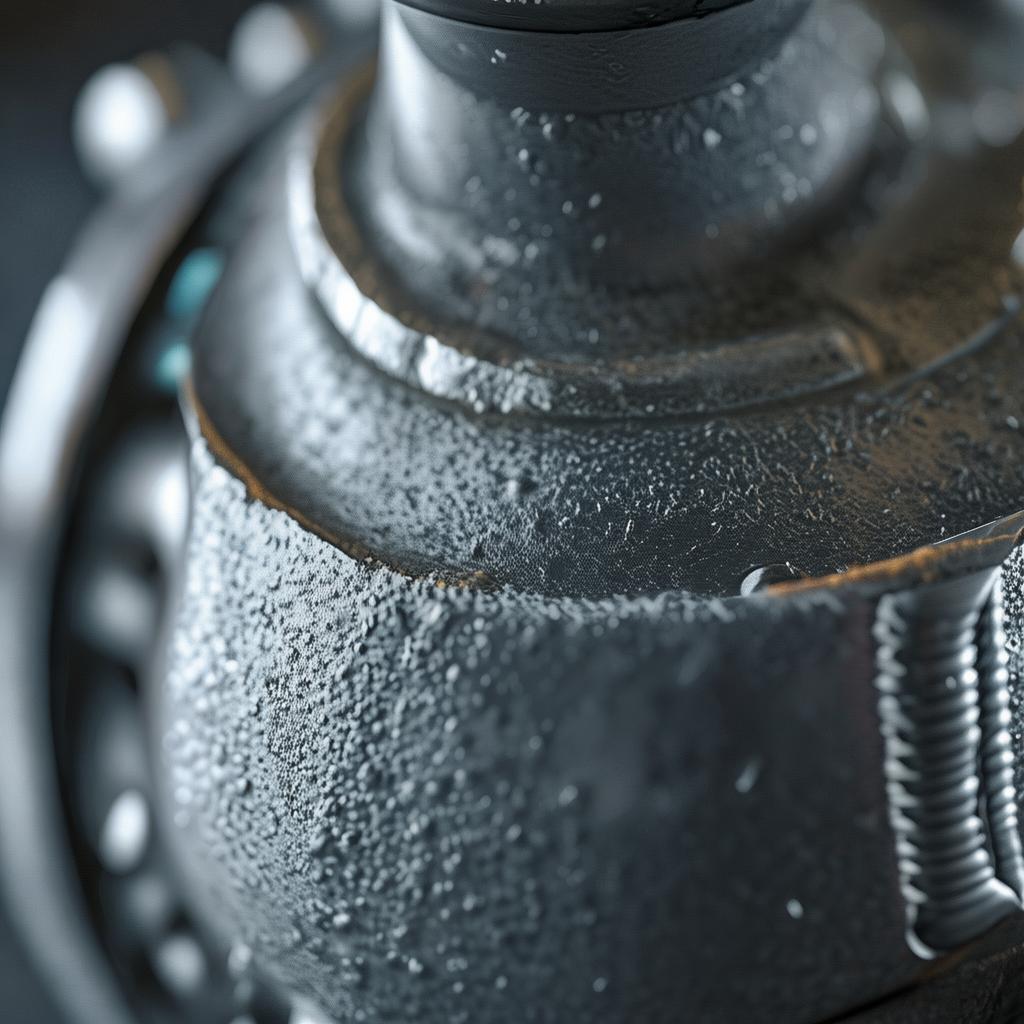

Floating Ball Valve Working
Product Overview
The floating ball valve is a vital component in various industrial applications, designed to provide reliable shut-off and flow control. The floating ball valve working principle is based on a free-moving ball that seals against the valve seat when in the closed position. As the valve is opened, the ball rotates, allowing fluid to flow through with minimal resistance. This design enhances the efficiency and longevity of the valve, making it a preferred choice for industries requiring high-performance flow management solutions.
Key Features
- Robust Design: Constructed from high-quality materials to withstand extreme pressure and temperature conditions.
- Reliable Shut-off: The floating ball design ensures a tight seal, effectively preventing leaks.
- Minimal Maintenance: The simple design reduces maintenance requirements, saving time and costs.
- Versatile Applications: Suitable for various media, including liquids and gases in different industrial sectors.
- Easy Installation: Compatible with standard piping systems, allowing for quick and efficient installation.
Technical Specifications
| Specification | Description |
|---|---|
| Size | 1/2" to 12" |
| Pressure Rating | ANSI Class 150 to Class 600 |
| Temperature Range | -20°C to 150°C |
| Body Material | Carbon Steel, Stainless Steel, or Brass |
| End Connections | Flanged, Threaded, or Welded |
| Seal Material | PTFE, EPDM, NBR |
Application Scenarios
The floating ball valve working mechanism is ideal for a wide range of applications across various industries. Here are some common scenarios:
- Oil and Gas: Used in pipelines for the safe transport of crude oil and natural gas.
- Water Treatment: Effective in controlling the flow of water in treatment plants to ensure optimal processing.
- Chemical Processing: Handles a variety of chemicals, ensuring safety and reliability in operations.
- Power Generation: Utilized in cooling systems and steam lines to manage flow effectively.
- HVAC Systems: Controls heating and cooling fluids in residential and commercial buildings.
Advantages
Choosing a floating ball valve offers numerous advantages:
- Efficiency: The design minimizes flow resistance, leading to lower energy consumption.
- Durability: High-quality materials ensure a long service life, reducing the need for frequent replacements.
- Safety: The tight sealing capability prevents leaks, ensuring operational safety.
- Cost-effective: Reduced maintenance and replacement costs contribute to overall savings.
- Flexibility: Available in various sizes and materials to suit diverse operational needs.
Why Choose Us
Our commitment to quality and customer satisfaction sets us apart in the industrial valve market. Here are compelling reasons to partner with us:
- Expertise: Our team comprises industry professionals with extensive knowledge and experience in valve technology.
- Quality Assurance: We adhere to stringent quality control measures, ensuring every valve meets international standards.
- Global Reach: Our products are used in various industries worldwide, making us a trusted supplier in international trade.
- Customized Solutions: We offer tailored solutions to meet specific project requirements, enhancing operational efficiency.
- Comprehensive Support: Our dedicated support team is available to assist you throughout the purchasing process and beyond.
FAQ
1. What is the principle of floating ball valve working?
The floating ball valve operates by utilizing a ball that moves freely within the valve body. When the valve is closed, the ball seats against the valve seat, creating a tight seal. When opened, the ball rotates, allowing fluid to flow through.
2. Can floating ball valves be used for high-pressure applications?
Yes, floating ball valves are available in various pressure ratings, including ANSI Class 150 to Class 600, making them suitable for high-pressure applications.
3. What materials are commonly used in floating ball valves?
Floating ball valves can be constructed from several materials, including carbon steel, stainless steel, and brass, depending on the application requirements.
4. How do I choose the right size of floating ball valve?
Selecting the right size depends on the pipe size and flow requirements of your specific application. Consult with our experts for tailored recommendations.
5. Is maintenance required for floating ball valves?
While floating ball valves require minimal maintenance due to their robust design, regular inspections are recommended to ensure optimal performance and longevity.
