
floating ball valve
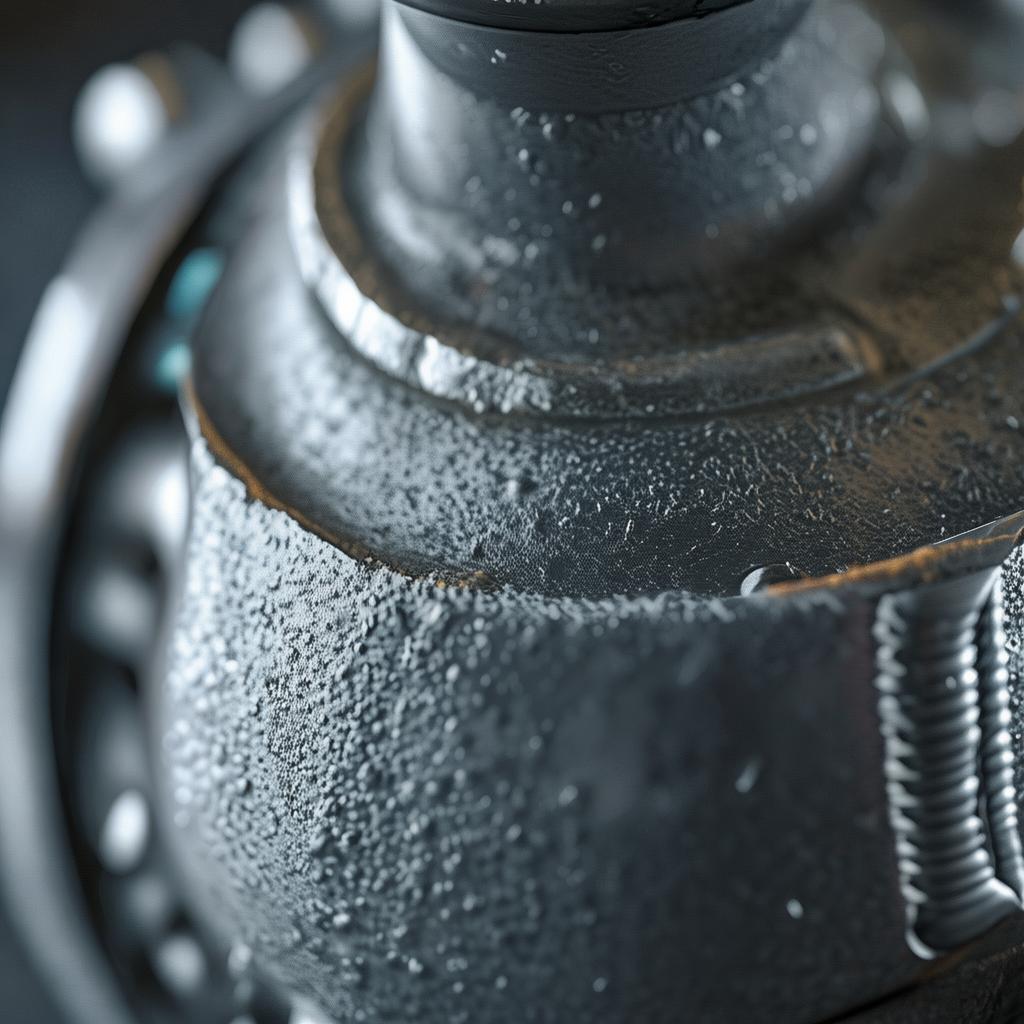

Floating Ball Valve
Product Overview
The floating ball valve is an essential component in various industrial applications, designed to provide reliable flow control in pipelines. Engineered for durability and efficiency, this valve utilizes a spherical ball to regulate fluid flow. When the valve is open, the ball is rotated to allow fluid to pass through; when closed, the ball seals against the valve seat, preventing any leakage. Our floating ball valves are crafted from high-quality materials, ensuring they can withstand high pressures and temperatures, making them ideal for a myriad of operational environments.
Key Features
- Durable Construction: Made from robust materials such as stainless steel, carbon steel, and PVC to withstand corrosive environments.
- High Performance: Offers low torque operation, ensuring smooth opening and closing of the valve.
- Leak-Free Operation: Designed with precision seating to prevent any leakage when in the closed position.
- Wide Size Range: Available in various sizes to accommodate different pipe diameters and flow requirements.
- Versatile Applications: Suitable for a variety of industries including oil & gas, chemical processing, water treatment, and more.
Technical Specifications
| Specification | Details |
|---|---|
| Size Range | 1/2" to 12" |
| Pressure Rating | Up to 600 psi |
| Temperature Range | -20°C to 140°C |
| Material Options | Stainless Steel, Carbon Steel, PVC |
| End Connection Types | Flanged, Threaded, Welded |
Application Scenarios
The floating ball valve is highly versatile and can be utilized across various sectors, including:
- Oil and Gas: Ideal for controlling the flow of hydrocarbons and other fluids in upstream, midstream, and downstream processes.
- Chemical Processing: Suitable for handling a range of chemicals, ensuring safe and reliable operation.
- Water Treatment: Utilized in water distribution systems to manage flow rates and prevent contamination.
- Power Generation: Used in cooling systems and other applications where precise flow control is critical.
- Food and Beverage: Designed to meet sanitary standards, ensuring safe handling of food products.
Advantages
Employing a floating ball valve in your systems comes with numerous advantages:
- Reliability: The design of the floating ball valve ensures consistent performance and minimal maintenance.
- Cost-Effective: Its durable materials and design reduce the need for frequent replacements, leading to lower long-term costs.
- Easy Installation: The flexibility in connection types makes installation straightforward across different settings.
- Minimal Pressure Drop: The streamlined design allows for efficient flow with minimal pressure loss.
- Safety: Enhanced sealing mechanisms reduce the risk of leaks, ensuring operational safety.
Why Choose Us
When it comes to sourcing your floating ball valve, choosing us means opting for quality and reliability. Our valves are manufactured to meet international standards, ensuring they are built to last. We pride ourselves on our:
- Expertise: With years of experience in the industry, we understand the needs of our clients and provide tailored solutions.
- Quality Assurance: Each valve undergoes rigorous testing to guarantee performance and durability.
- Comprehensive Support: Our dedicated team is available to assist you with any inquiries, offering guidance from selection to installation.
- Global Reach: We serve clients in various countries, adapting our products to meet local regulations and standards.
- Competitive Pricing: We offer cost-effective solutions without compromising on quality.
FAQ
What is a floating ball valve?
A floating ball valve is a type of valve that uses a floating ball to control the flow of fluids. The ball moves freely and is held in place by the fluid pressure, creating a seal when closed.
How does a floating ball valve work?
When the valve handle is turned, the ball rotates to either allow flow through the valve or seal it shut. The ball's position is held by the pressure of the fluid, ensuring a tight seal when closed.
What materials are used in floating ball valves?
Floating ball valves can be made from various materials, including stainless steel, carbon steel, and PVC, depending on the application requirements and environmental conditions.
What applications are suitable for floating ball valves?
Floating ball valves are versatile and can be used in oil and gas, chemical processing, water treatment, power generation, and food and beverage industries, among others.
How do I maintain a floating ball valve?
Regular inspections for leaks, ensuring proper lubrication of moving parts, and checking for any signs of wear or damage can help maintain the performance of a floating ball valve.
