
pn40 butterfly valve
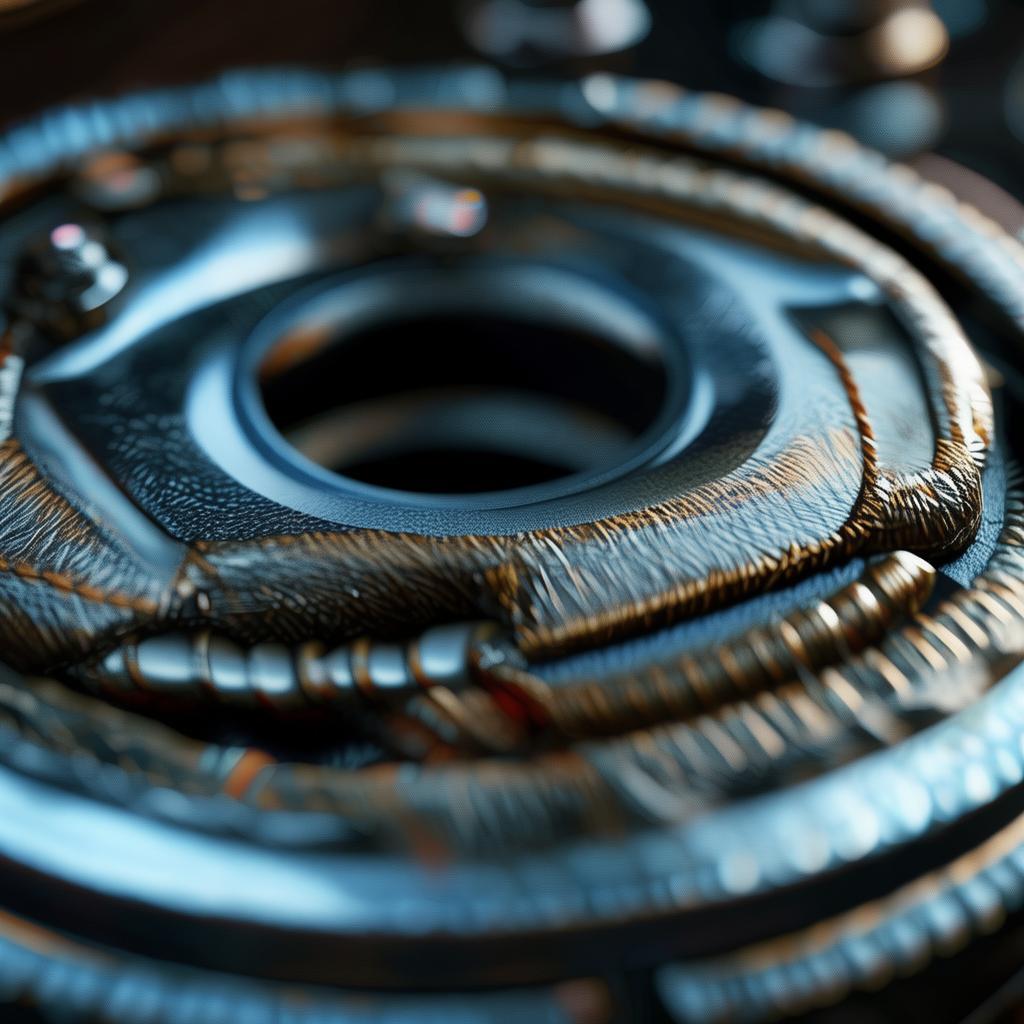

PN40 Butterfly Valve
The PN40 butterfly valve is engineered for high-performance applications in various industrial sectors. This valve type is renowned for its reliability, cost-effectiveness, and versatility, making it an optimal choice for managing the flow of liquids and gases in pipelines. Constructed to meet stringent international standards, the PN40 butterfly valve offers robust functionality, ensuring seamless operations in demanding environments.
Key Features
- High Pressure Rating: Designed for PN40 applications, capable of withstanding high-pressure environments.
- Durable Construction: Made from high-quality materials that resist corrosion and wear.
- Compact Design: Space-saving design allows for easy installation in tight spaces.
- Ease of Operation: Simple quarter-turn operation for quick opening and closing.
- Versatile Compatibility: Suitable for a wide range of fluids, including water, oil, and gas.
Technical Specifications
| Specification | Details |
|---|---|
| Size Range | DN50 to DN600 |
| Pressure Rating | PN40 |
| Temperature Range | -10°C to 80°C |
| Body Material | Ductile Iron / Stainless Steel |
| Seat Material | EPDM / NBR |
| Connection Type | Flanged / Wafer |
Application Scenarios
The PN40 butterfly valve is commonly utilized across various industries including:
- Water Treatment: Ideal for regulating flow in water supply systems.
- Oil and Gas: Essential for controlling and isolating flow in pipelines.
- Pulp and Paper: Used in processes that require precise flow management.
- HVAC Systems: Effective for air and water flow control in heating and cooling systems.
- Food and Beverage: Compliant with hygiene standards, suitable for food processing applications.
Advantages
The PN40 butterfly valve offers several key advantages:
- Cost-Effective: Lower installation and maintenance costs due to its simple design.
- Lightweight: Easier to handle and install compared to traditional valve types.
- Low Resistance: Offers minimal resistance to flow, enhancing system efficiency.
- Long Service Life: Durable materials and construction provide a longer operational lifespan.
Why Choose Us
When selecting a supplier for your PN40 butterfly valve, consider the following reasons to choose us:
- Expertise: Our team consists of industry experts with extensive experience in valve manufacturing and international trade.
- Quality Assurance: We adhere to rigorous quality control processes, ensuring every valve meets international standards.
- Customization: We offer tailored solutions to meet specific project requirements and applications.
- Global Reach: Our efficient logistics network enables timely delivery to any location worldwide.
- Customer Support: Dedicated support team to assist with inquiries and after-sales service.
FAQ
1. What is the difference between a PN40 butterfly valve and other pressure-rated valves?
The primary difference lies in the pressure rating. A PN40 butterfly valve is specifically designed to handle pressures up to 40 bar, making it suitable for high-pressure applications, whereas other valves may have lower pressure ratings.
2. Can the PN40 butterfly valve be used for corrosive fluids?
Yes, the PN40 butterfly valve can be manufactured using corrosion-resistant materials, such as stainless steel, making it suitable for corrosive fluids. Always consult with our technical team for the best material selection based on your application.
3. What maintenance is required for a PN40 butterfly valve?
Regular inspection for wear and leakage is recommended. Ensure the valve is operated within its specified temperature and pressure limits. Lubrication of the stem may also be necessary to ensure smooth operation.
4. How do I install a PN40 butterfly valve?
Installation is straightforward due to the valve's compact design. Ensure that the valve is aligned correctly with the pipeline, and follow the manufacturer's installation guidelines for flanged or wafer connections.
5. Can I customize the PN40 butterfly valve for my application?
Absolutely! We offer customization options including size, materials, and connection types to meet the specific needs of your application.
