
trunnion ball valve
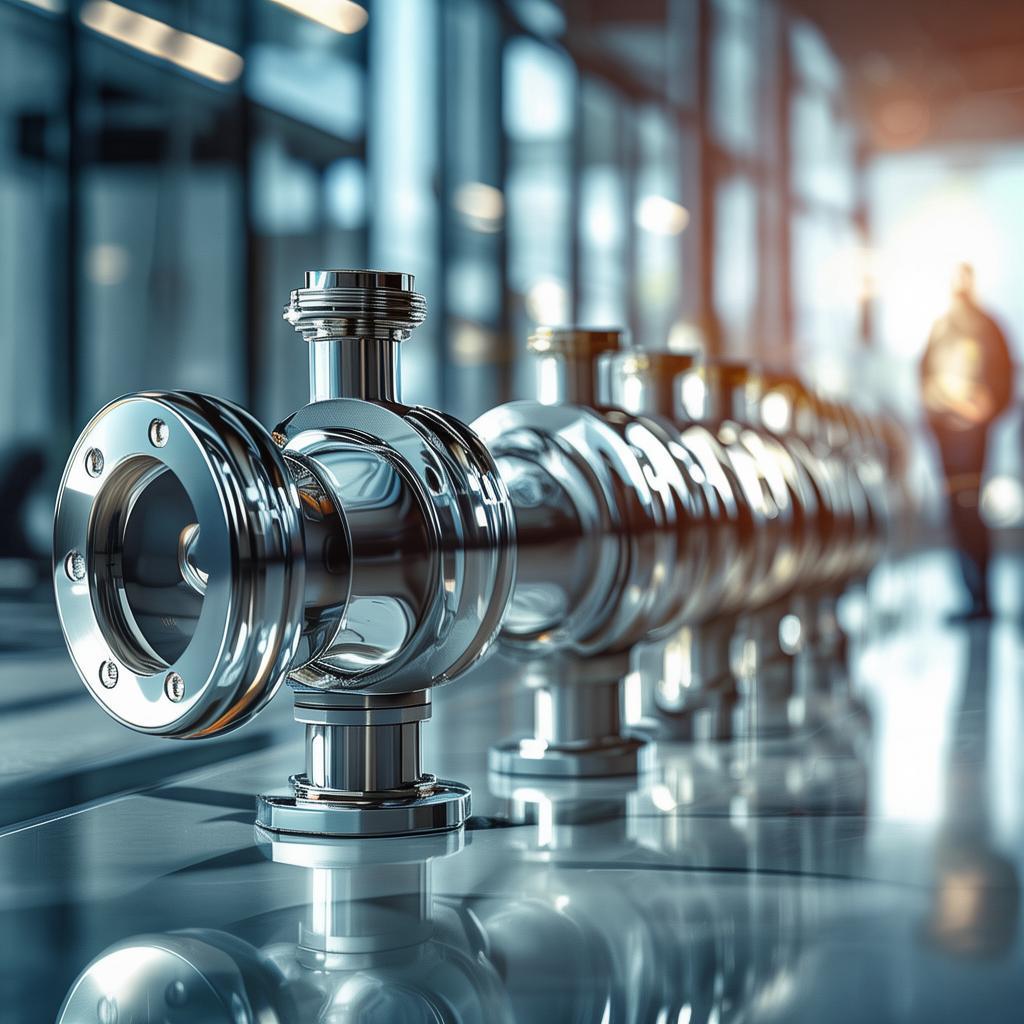

Trunnion Ball Valve
The trunnion ball valve is a robust and reliable valve solution designed for high-pressure applications. It offers exceptional flow control and is widely used across various industries, including oil and gas, water treatment, and chemical processing. The unique design of the trunnion ball valve features a mounted ball that is supported by trunnions, allowing for better performance under pressure and temperature variations.
Key Features
- Durability: Constructed from high-grade materials, the trunnion ball valve is built to withstand harsh environments and extensive use.
- Low Torque Operation: The design minimizes the torque needed for operation, allowing for easier handling and reduced wear on actuators.
- Leak-proof Sealing: Advanced sealing mechanisms ensure minimal leakage, enhancing operational safety and efficiency.
- Versatile Design: Suitable for various media types, including liquids, gases, and slurries.
- Easy Maintenance: Simplified design allows for quick and easy maintenance, reducing downtime.
Technical Specifications
| Specification | Details |
|---|---|
| Size Range | 2" to 48" |
| Pressure Rating | Class 150 to Class 2500 |
| Temperature Range | -196°C to 540°C |
| Body Materials | Carbon Steel, Stainless Steel, Alloy Steel |
| End Connections | Flanged, Buttweld, Socket Weld |
| Actuation Options | Manual, Pneumatic, Electric |
Application Scenarios
The trunnion ball valve is utilized in a variety of applications, making it a versatile choice for industrial operations. Here are some key scenarios:
- Oil and Gas Industry: Used for controlling the flow of crude oil, natural gas, and refined products.
- Water Treatment Plants: Ideal for managing water distribution and treatment processes.
- Chemical Processing: Suitable for handling corrosive and hazardous fluids with precision.
- Power Generation: Employed in steam and cooling water systems to optimize efficiency.
- Pulp and Paper Industry: Used for regulating the flow of slurries and chemicals in processing.
Advantages
Choosing a trunnion ball valve offers numerous advantages over traditional valve designs:
- Increased Stability: The trunnion-mounted design provides enhanced stability, particularly in larger sizes, reducing the risk of wear and tear.
- Improved Flow Characteristics: The streamlined design allows for lower pressure drops, improving flow efficiency.
- Longer Lifespan: With reduced friction and wear, these valves typically have a longer operational life compared to standard ball valves.
- Safety Compliance: Designed to meet stringent safety and quality standards, ensuring reliability in critical applications.
Why Choose Us
When selecting a supplier for your trunnion ball valve, consider the following reasons to choose us:
- Expertise: With years of experience in the industrial valve sector, we are industry leaders with a reputation for quality and reliability.
- Quality Assurance: Our products undergo rigorous testing and quality control processes to ensure they meet global standards.
- Custom Solutions: We offer tailored solutions to meet specific requirements, ensuring optimal performance in your applications.
- Comprehensive Support: Our dedicated team provides expert advice and support throughout the purchasing process and beyond.
- Global Reach: We serve clients across the globe, ensuring timely delivery and support in various regions.
FAQ
1. What is a trunnion ball valve?
A trunnion ball valve is a type of valve that uses a mounted ball to control the flow of liquids and gases. The ball is supported by trunnions, which allow for better stability and performance under pressure.
2. What are the advantages of using a trunnion ball valve over a conventional ball valve?
Trunnion ball valves offer increased stability, lower torque operation, better flow characteristics, and longer lifespan due to reduced wear compared to conventional ball valves.
3. In which industries are trunnion ball valves commonly used?
They are commonly used in the oil and gas, water treatment, chemical processing, power generation, and pulp and paper industries.
4. What materials are trunnion ball valves made from?
Trunnion ball valves can be made from various materials, including carbon steel, stainless steel, and alloy steel, depending on the application requirements.
5. Can trunnion ball valves be automated?
Yes, trunnion ball valves can be automated using pneumatic or electric actuators for remote operation and enhanced control.
